Have you ever wondered if dry and liquid measurements are truly the same? When you’re cooking or baking, getting the right amount of an ingredient can make all the difference.
But using the same measuring tools for dry and liquid ingredients might not give you the results you expect. If you want your recipes to turn out perfect every time, understanding the difference is key. Keep reading, and you’ll learn how to measure like a pro and avoid common mistakes that could be ruining your dishes.
Differences Between Dry And Liquid Measurements
Dry and liquid measurements are not the same. They use different methods and tools.
Knowing the differences helps you get accurate results in cooking and baking.
Volume Vs Weight
Dry ingredients are often measured by weight. Liquid ingredients are measured by volume.
Weight shows how heavy something is. Volume shows how much space it takes up.
Measurement Tools
Different tools are made for dry and liquid measurements to improve accuracy.
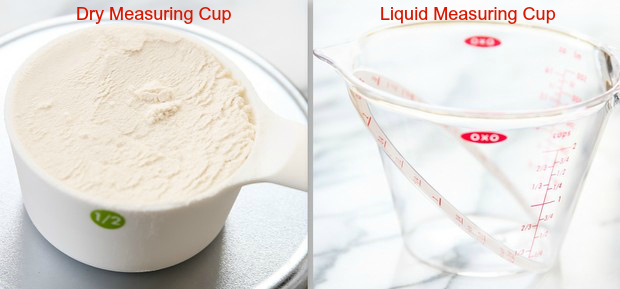
- Dry measuring cups are usually solid and meant to be filled to the top.
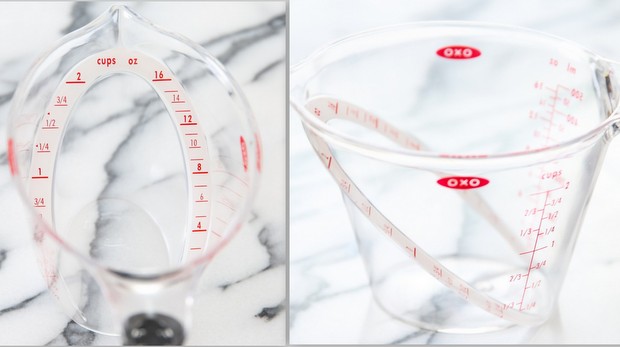
- Liquid measuring cups have a spout and space to see the liquid level clearly.
- Kitchen scales measure weight for dry ingredients.
Common Measurement Units
| Type | Units for Dry | Units for Liquid |
| Volume | Cups, tablespoons, teaspoons | Milliliters, cups, fluid ounces |
| Weight | Grams, ounces, pounds | Rarely used |
Credit: kirbiecravings.com
Why Measurement Types Matter In Cooking
Cooking requires precise measurements to get the best results. Dry and liquid ingredients need different measuring tools and methods.
Using the wrong measurement type can change a recipe’s outcome. It affects both taste and texture in many dishes.
Impact On Recipe Accuracy
Dry and liquid measurements are not the same. Measuring dry ingredients like flour or sugar with liquid cups can cause errors.
- Dry measuring cups are meant to be filled and leveled off.
- Liquid measuring cups have space for pouring and reading meniscus.
- Using the wrong cup can add too much or too little ingredient.
- Weight measurements are often more accurate than volume.
Texture And Consistency Effects
| Ingredient Type | Effect of Wrong Measurement |
| Flour | Too much flour makes baked goods dry and dense. |
| Sugar | Too little sugar affects sweetness and browning. |
| Liquid (milk, water) | Too much liquid makes batter runny and weak. |
| Butter | Wrong amount changes texture and flavor balance. |
How To Convert Dry And Liquid Measurements
Dry and liquid measurements are not the same. Dry ingredients like flour or sugar are measured by weight or volume. Liquid ingredients like water or milk are measured by volume.
Knowing how to convert between these measurements helps you follow recipes better. It also prevents mistakes in cooking and baking.
Using Conversion Charts
Conversion charts show how to change dry measurements to liquid ones and vice versa. They include common ingredients and their weight-to-volume ratios.
Using these charts saves time and avoids guesswork. You only need to find your ingredient and use the right conversion number.
| Ingredient | 1 Cup Dry (grams) | Equivalent Liquid Volume (ml) |
|---|---|---|
| All-purpose flour | 120 | Approximately 118 ml |
| Sugar (granulated) | 200 | Approximately 237 ml |
| Butter | 227 | Approximately 240 ml |
Practical Tips For Accuracy
Use a kitchen scale for the best results. It measures dry ingredients by weight, which is more exact than volume.
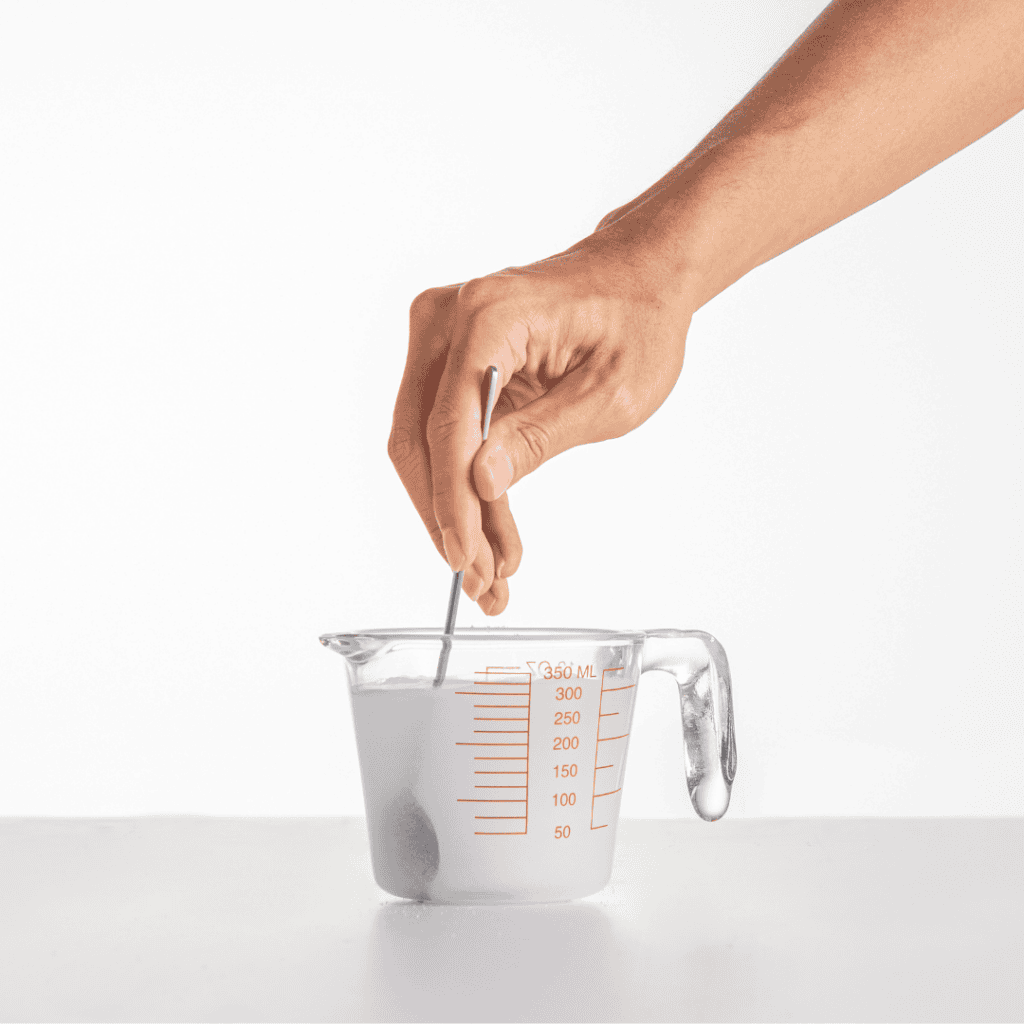
For liquids, use clear measuring cups with marks. Check the measurement at eye level to avoid errors.
- Level off dry ingredients with a flat edge
- Use separate tools for dry and liquid ingredients
- Measure ingredients at room temperature for consistency
- Double-check conversions before adding to your recipe
Common Mistakes To Avoid
Measuring ingredients correctly is important in cooking and baking. Using the wrong method can change the recipe’s results.
This guide highlights common errors when measuring dry and liquid ingredients. Avoid these mistakes to get better results.
Misusing Measuring Cups
Many people use the same measuring cup for dry and liquid ingredients. This can cause wrong amounts in recipes.
- Dry measuring cups are meant to be filled to the top and leveled off.
- Liquid measuring cups have a spout and allow you to see the liquid level clearly.
- Using a dry cup for liquids can lead to spills and inaccurate amounts.
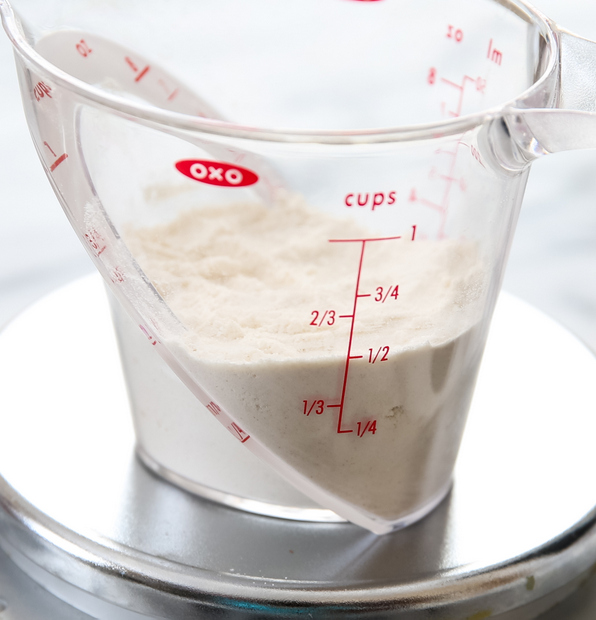
- Using a liquid cup for dry ingredients makes it hard to level and measure correctly.
Ignoring Ingredient Density
Ingredient density affects how much fits in a cup. Dry and liquid measures are not always equal in weight.
| Ingredient | 1 Cup Dry (grams) | 1 Cup Liquid (grams) |
| Flour | 120 | 125 |
| Sugar | 200 | 200 |
| Milk | Not applicable | 240 |
| Butter | 227 | Not applicable |
Tools For Precise Measurement
Measuring ingredients correctly is key to good cooking and baking. Using the right tools helps get accurate amounts. Dry and liquid measurements need different tools.
Choosing the right measuring tool makes recipes turn out better. It also saves time and avoids mistakes in the kitchen.
Dry Measuring Cups
Dry measuring cups are made for ingredients like flour, sugar, and oats. They come in sets with different sizes. You fill the cup and level it off with a flat edge for accuracy.
- Usually made from plastic, metal, or glass
- Have a flat top edge to level off dry ingredients
- Come in standard sizes such as 1 cup, 1/2 cup, 1/3 cup, and 1/4 cup
- Not suitable for measuring liquids
Liquid Measuring Cups
Liquid measuring cups are clear and have measurement marks on the side. They are made to hold liquids like water, milk, and oil. You read the measurement at eye level for precision.
| Feature | Dry Measuring Cups | Liquid Measuring Cups |
| Material | Plastic, metal, glass | Glass or clear plastic |
| Measurement | Fill and level off | Read at eye level |
| Use | Dry ingredients | Liquids |
| Shape | Solid with flat top | Pour spout for easy use |
Kitchen Scales
Kitchen scales measure ingredients by weight. They give the most exact amounts. Scales work well for both dry and liquid ingredients. You place the bowl on the scale, press tare, then add ingredients.
- Digital scales show weight in grams, ounces, or pounds
- Mechanical scales use a dial to show weight
- Good for recipes that use weight measurements
- Helps avoid packing or settling errors
Credit: kirbiecravings.com
Credit: www.recipesandplaces.com
Frequently Asked Questions
What Are Dry And Liquid Measurements?
Dry measurements are used for solid ingredients like flour or sugar. Liquid measurements are for fluids like water or milk. They use different tools due to their distinct properties.
Can You Use Liquid Cups For Dry Ingredients?
Using liquid cups for dry ingredients isn’t ideal. Dry measuring cups allow for accurate leveling, while liquid cups may cause inaccuracies.
Why Are Dry And Liquid Measurements Different?
Dry and liquid measurements differ due to their physical properties. Liquids fill a container’s shape, while dry ingredients can be leveled.
How To Measure Dry Ingredients Accurately?
To measure dry ingredients accurately, use a dry measuring cup. Fill it, then level off with a straight edge.
Conclusion
Dry and liquid measurements are not the same. Dry ingredients measure weight or volume differently than liquids. Using the wrong measurement can change your recipe’s outcome. Always use the right tool for each ingredient. Measuring cups for liquids have a spout for easy pouring.
Dry measuring cups fill to the top and level off. Paying attention to these details helps you cook or bake better. Small changes can affect taste and texture. Keep measurements accurate for the best results every time.