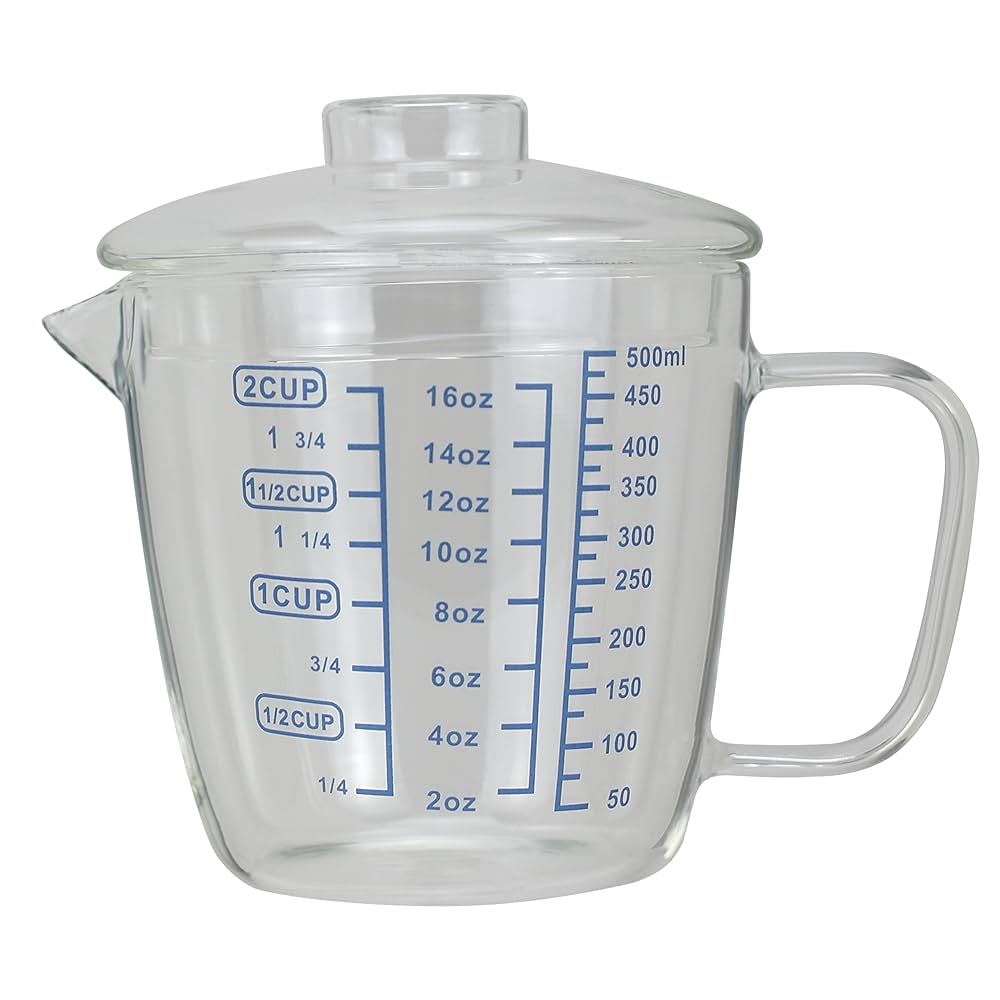
Have you ever started a recipe only to find out you don’t have a measuring cup? It can be frustrating when you need to measure ounces but don’t have the right tools.
Luckily, you don’t have to stop cooking or baking just because of this. You can easily measure ounces using items you already have around your kitchen. You’ll discover simple, clever ways to get accurate measurements without a measuring cup. Keep reading, and you’ll never worry about missing ingredients again.
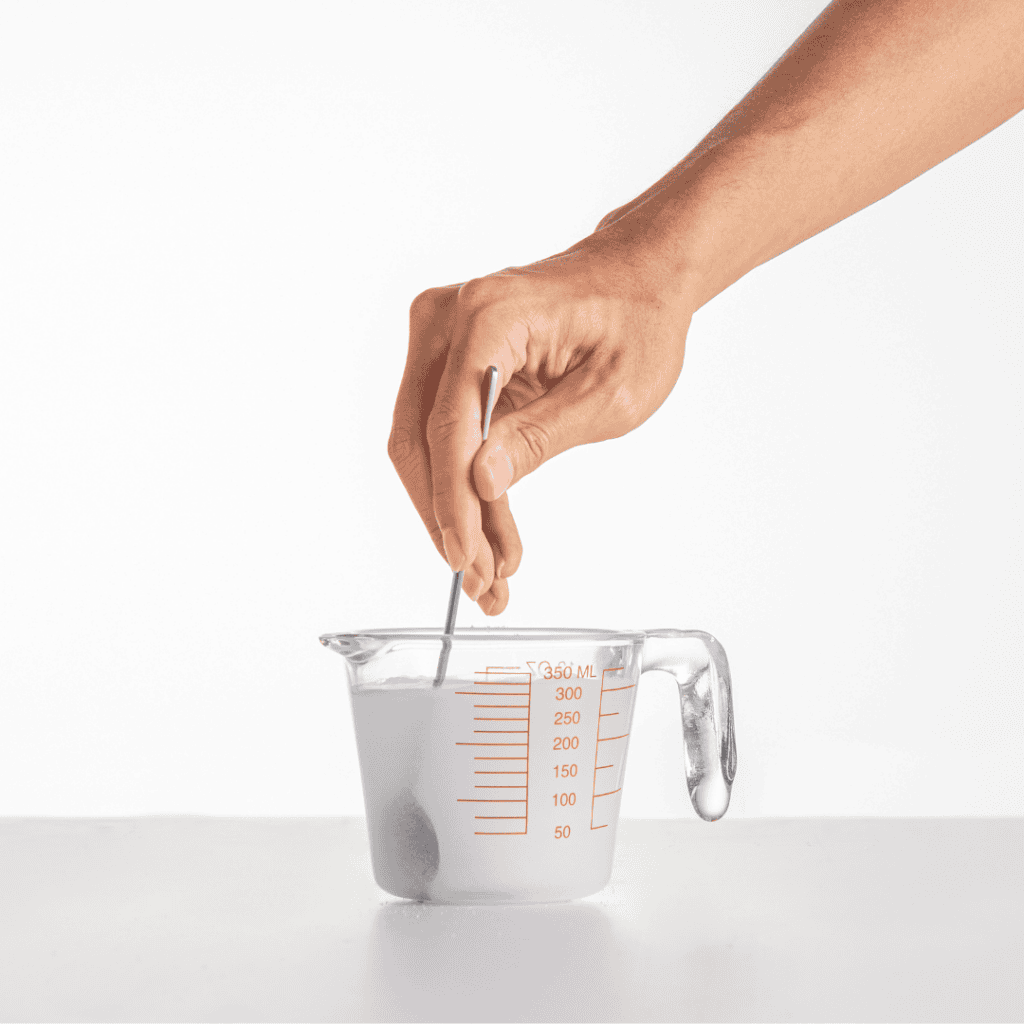
Credit: www.recipesandplaces.com
Common Household Items For Measuring
Measuring ounces is easy even without a measuring cup. You can use many items found at home. These items help you get close to the right amount.
Using common tools saves time and keeps cooking simple. Here are some ways to measure ounces with items around you.
Using Spoons For Small Quantities
Spoons are handy for measuring small amounts in ounces. A tablespoon usually holds about half an ounce. A teaspoon holds about one-sixth of an ounce.
Use spoons to measure ingredients like spices, oils, or liquids in small doses. This method works well for recipes needing precision.
- 1 tablespoon ≈ 0.5 ounces
- 1 teaspoon ≈ 0.17 ounces
Measuring With A Kitchen Scale
A kitchen scale gives the most accurate measurement of ounces. Place your container on the scale, then set it to zero. Add your ingredient and read the ounces directly.
Digital scales are easy to use and show exact weights. This method is great for solid and liquid ingredients, making recipes more precise.
Utilizing Water Bottles And Containers
Many bottles and containers have volume markings that help measure ounces. Look for markings on water bottles, juice containers, or milk jugs. These marks show fluid ounces or milliliters.
You can fill these containers to the desired mark to measure liquid ounces. This method works best for liquids and bulk ingredients.
- Standard water bottles often show 8 oz increments
- Milk jugs usually have 1 cup (8 oz) markings
- Juice containers may have detailed ounce scales
Visual Estimation Techniques
Measuring ounces without a cup is easy with some simple visual tricks. These methods help you estimate liquid or dry ingredients quickly.
Use everyday objects, your hands, or common glassware to guess the right amount. This skill saves time and tools in the kitchen.
Comparing To Everyday Objects
You can compare food amounts to objects you see daily. This makes it easier to guess ounces without tools.
- 1 ounce looks like a small matchbox or a shot glass.
- 2 ounces is about the size of a golf ball.
- 4 ounces matches a tennis ball or a small apple.
- 8 ounces equals a baseball or a standard light bulb.
Using Hand Measurements
Your hands can act as natural measuring tools. Different parts show rough ounce amounts.
| Hand Part | Approximate Ounces |
| Thumb tip | 1 ounce |
| Closed fist | 8 ounces |
| Flat palm | 3 ounces |
| Cupped hand | 6 ounces |
Estimating With Glassware
Common glasses have standard sizes that help estimate ounces. Learn these to avoid measuring cups.
- A shot glass holds about 1.5 ounces.
- A juice glass usually holds 4 to 6 ounces.
- A wine glass often holds 5 ounces.
- A coffee mug can hold 8 to 12 ounces.
Converting Volume To Weight
Measuring ounces without a measuring cup is possible by converting volume to weight. This helps when you do not have proper tools.
Knowing how to convert between volume and weight saves time and makes cooking easier. It is useful in many kitchen tasks.
Understanding Ounces Vs. Fluid Ounces
Ounces measure weight, while fluid ounces measure volume. They are not the same and cannot be used interchangeably.
For example, 8 ounces of flour is weight, but 8 fluid ounces of water is volume. This difference matters in recipes.
- Ounces (oz) measure how heavy something is
- Fluid ounces (fl oz) measure how much space a liquid takes
- Weight depends on the ingredient’s density
Basic Conversion Formulas
You can convert fluid ounces to ounces using the ingredient’s density. Water is a simple example to start with.
For water, 1 fluid ounce equals about 1 ounce by weight. This does not hold true for other ingredients.
- Water: 1 fl oz ≈ 1 oz (weight)
- To convert, multiply fluid ounces by density
- Density is grams per milliliter or ounces per fluid ounce
| Ingredient | Density (oz/fl oz) | Conversion Example |
|---|---|---|
| Water | 1.0 | 8 fl oz × 1.0 = 8 oz |
| Honey | 1.4 | 8 fl oz × 1.4 = 11.2 oz |
| Flour (sifted) | 0.53 | 8 fl oz × 0.53 = 4.24 oz |
Adjusting For Different Ingredients
Each ingredient has its own density. This means you must adjust conversions for accuracy.
Use common density values or check labels to find the right conversion factor. This helps when you cook or bake.
- Heavier liquids like honey weigh more than water
- Dry ingredients like flour weigh less than liquids
- Always check density for best results

Credit: www.amazon.com
Diy Measuring Tools
Measuring ounces without a measuring cup is easy with simple tools. You can reuse containers or make your own measuring stick. These ideas save time and money in the kitchen.
Using everyday items helps you measure liquids or dry goods accurately. Follow these tips to create reliable tools for your cooking and baking needs.
Marking Containers For Reuse
Find a clean, clear container like a jar or bottle. Mark lines on it to show different ounce levels. Use a permanent marker or tape to make the marks clear and long-lasting.
- Fill the container with water using a kitchen scale to measure ounces.
- Mark the water level on the container for each ounce.
- Label each line with the correct ounce amount.
- Let the marks dry before using the container.
- Use this container as a measuring cup for future recipes.
Creating A Simple Measuring Stick
Make a measuring stick from a ruler or wooden stick. Mark ounces on the stick to measure liquids or solids in other containers. This tool is easy to use and store.
| Ounces | Mark Position (cm) |
| 1 oz | 2.5 |
| 2 oz | 5.0 |
| 3 oz | 7.5 |
| 4 oz | 10.0 |
| 5 oz | 12.5 |
Tips For Accuracy
Measuring ounces without a cup can be tricky. It needs care to get the right amount.
Using the right methods helps keep your cooking or baking on track. Here are some tips to be accurate.
Avoiding Common Measurement Mistakes
Many people make mistakes when they do not level off dry ingredients. This can change the weight.
Also, using different tools for the same ingredient can cause errors. Use the same tool every time.
- Level off dry ingredients with a flat edge
- Use the same spoon or scoop for each measure
- Weigh liquids on a flat surface to avoid spills
- Read measurements at eye level for accuracy
Calibrating Scales And Tools
Scales can give wrong readings if not calibrated often. Check the scale before use.
Calibration means adjusting the scale to zero with no weight. This keeps your measurements correct.
- Turn on the scale and wait for zero display
- Use calibration weights if available
- Reset to zero if you add a container first
- Repeat calibration regularly to maintain accuracy
Consistent Measuring Practices
Always measure ingredients the same way to get consistent results. This helps your recipes turn out well.
Using one method for each ingredient type avoids confusion and mistakes. Consistency is key.
- Use the same container or tool each time
- Measure ingredients in the order listed in recipes
- Work on a stable, flat surface for weighing
- Record measurements if you repeat a recipe

Credit: rhondasues.com
Frequently Asked Questions
How Can I Measure Ounces Without A Cup?
You can measure ounces using common kitchen items. Use a tablespoon, which is approximately 0. 5 ounces. Alternatively, a standard coffee mug usually holds about 8 ounces. Always ensure consistency by using the same tool for measurements. For precise results, a kitchen scale is the most accurate alternative.
What Household Items Can Measure Ounces?
Household items like tablespoons, teaspoons, and coffee mugs can help measure ounces. A tablespoon is roughly 0. 5 ounces, while a teaspoon is about 0. 17 ounces. A typical coffee mug holds around 8 ounces. These items offer convenient alternatives when measuring cups aren’t available in your kitchen.
Can I Use A Kitchen Scale For Ounces?
Yes, a kitchen scale is ideal for measuring ounces. It’s accurate and easy to use. Simply place your ingredient on the scale, and it will display the weight in ounces. This method ensures precision, especially for baking and cooking, where exact measurements are crucial.
How Many Tablespoons Make One Ounce?
Two tablespoons make approximately one ounce. This conversion is useful for cooking and baking. When measuring without a cup, using tablespoons provides a practical solution. Always level off the tablespoon for accuracy. This method helps maintain consistency in recipes requiring precise measurements.
Conclusion
Measuring ounces without a cup is easier than it seems. Use common kitchen tools like spoons or a scale. Remember, water weighs about one ounce per fluid ounce. You can also estimate by comparing to everyday objects. Practice helps improve accuracy and confidence.
These simple tips save time and effort in cooking or baking. Try different methods to find what works best for you. Cooking becomes more fun and less stressful this way. Keep experimenting and enjoy your meals!