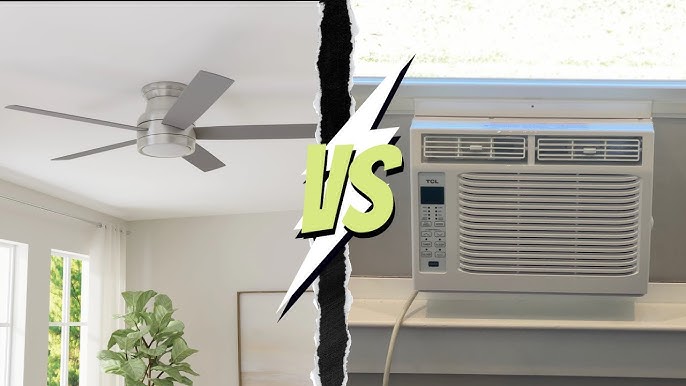
Are you wondering whether running a fan or an air conditioner will cost you more on your electricity bill? You’re not alone.
Many people struggle to decide which cooling option saves energy without sacrificing comfort. Understanding how much electricity each uses can help you make smarter choices for your home and your wallet. Keep reading to uncover surprising facts that might change the way you stay cool—and save you money in the long run.
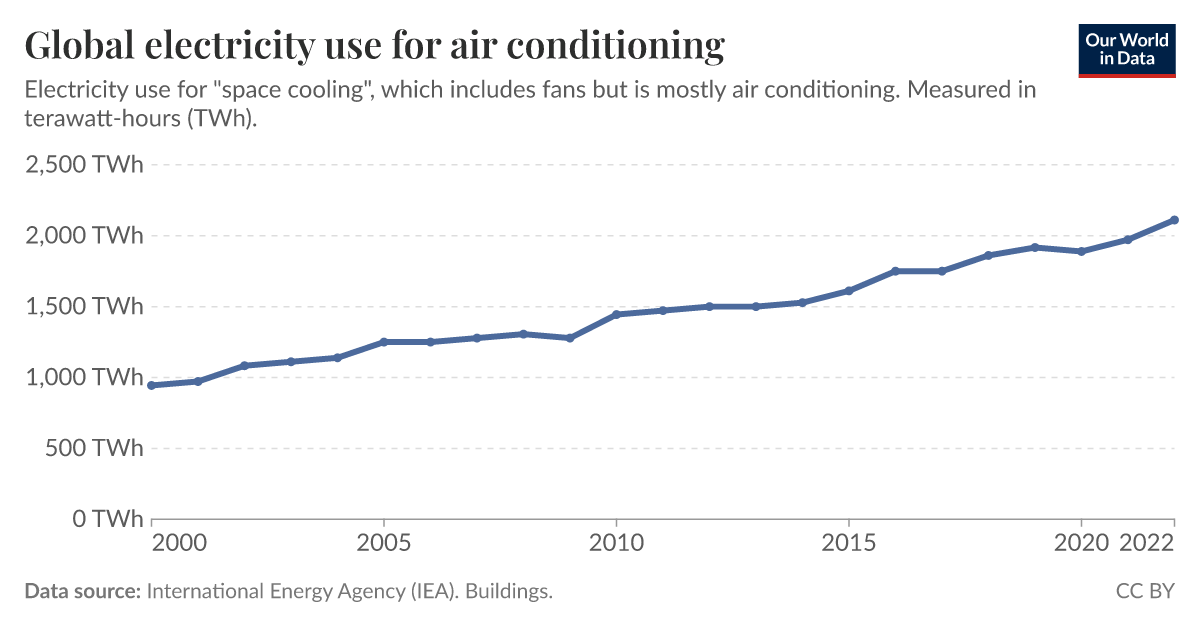
Credit: ourworldindata.org
Electricity Use Of Fans
Fans come in different typeswith varying power use. Common types include ceiling fans, table fans, and tower fans. Each uses different amounts of electricity.
| Fan Type | Power Use (Watts) | Average Energy Use per Hour (kWh) |
|---|---|---|
| Ceiling Fan | 50-75 W | 0.05 – 0.075 kWh |
| Table Fan | 40-60 W | 0.04 – 0.06 kWh |
| Tower Fan | 40-50 W | 0.04 – 0.05 kWh |
Energy usechanges based on speed settings and fan size. Larger fans or higher speeds use more electricity. Using a fan in a smaller room can save energy.
Electricity Use Of Air Conditioners
Air conditioners use much more electricity than fans because they cool the air actively. Fans only move air around, using less power to create a cooling effect. Choosing fans over air conditioners can lower your electricity bills significantly.
Different Ac Models And Their Energy Needs
Air conditioners come in many types, each using different amounts of power. Window AC units are usually less powerful and use less energy. Split AC systems are more efficient but may use more power overall. Portable ACs use electricity similarly to window units but can be less efficient. Central AC systems cool whole houses and use the most electricity.
Typical Power Consumption Rates
| AC Type | Power Use (Watts) |
|---|---|
| Window AC | 500 – 1,500 W |
| Split AC | 1,000 – 2,000 W |
| Portable AC | 800 – 1,500 W |
| Central AC | 3,000 – 5,000 W |
Variables Influencing Ac Electricity Use
- Size of the room or area cooled
- Outdoor temperature and humidity
- Thermostat setting
- Age and efficiency of the unit
- Insulation and ventilation of the space
Comparing Fans And Air Conditioners
Fans use much less electricitythan air conditioners. A typical fan uses about 50 watts, while an air conditioner uses 1000 watts or more. This means fans cost less to rundaily.
Air conditioners cool the air by removing heat, which uses a lot of energy. Fans move air around, helping sweat evaporate and cool the skin. Fans do not lower room temperaturebut make you feel cooler.
| Device | Average Power Use (watts) | Cooling Effect | Cost to Run (per hour) |
|---|---|---|---|
| Fan | 50 | Moves air to cool skin | Low |
| Air Conditioner | 1000+ | Cools room temperature | High |
Fans are energy-efficient and cheaper but less effective in very hot weather. Air conditioners use more energy but provide better cooling.

Credit: www.aljazeera.com
Energy-saving Tips
Using fans wiselycan save a lot of energy. Fans use much less electricity than air conditioners. Keep fans on only when people are in the room. Use ceiling fans with the right speed for comfort. Fans cool people, not rooms, so close windows and doors.
To reduce AC energy use, set the temperature higher. A setting around 78°F (26°C) works well. Clean or change filters regularly for better airflow. Keep blinds or curtains closed during hot days to block heat. Use energy-efficient AC models if possible.
Smart thermostats and timers help save energy too. They adjust temperatures automaticallybased on your schedule. Timers turn off devices when not needed. This prevents wasting power and lowers electricity bills.
Environmental Impact
Fans use much less electricitythan air conditioners. They move air, not cool it. This means their carbon footprintis smaller. Air conditioners consume more power to cool rooms, causing higher carbon emissions.
Over time, high energy use from ACs contributes to climate change. Fans help reduce this impact by using less energy. They are often better for the environment in the long run.
| Device | Electricity Use | Carbon Footprint | Long-Term Impact |
|---|---|---|---|
| Fan | Low | Low | Less harmful to environment |
| Air Conditioner | High | High | Increases global warming |

Credit: www.aljazeera.com
Frequently Asked Questions
Do Fans Use Less Electricity Than Air Conditioners?
Yes, fans use significantly less electricity than air conditioners. Fans circulate air without cooling it, consuming around 15-90 watts. Air conditioners cool the air and consume 500-1500 watts, making them much more energy-intensive.
How Much Electricity Does An Air Conditioner Consume?
Air conditioners typically consume between 500 to 1500 watts per hour. The exact usage depends on the unit’s size, efficiency, and cooling settings. Larger or older models tend to use more electricity than smaller or modern energy-efficient units.
Can Fans Replace Air Conditioners To Save Electricity?
Fans can help reduce electricity use but cannot replace air conditioners in hot climates. Fans cool people by circulating air, but air conditioners lower room temperature, providing more effective cooling. Use fans for mild heat and air conditioners for extreme heat.
Which Is More Energy-efficient: Fans Or Air Conditioners?
Fans are more energy-efficient because they use less power, typically under 100 watts. Air conditioners consume more electricity to cool spaces effectively. Choosing a fan over an air conditioner reduces electricity bills and environmental impact.
Conclusion
Fans use much less electricity than air conditioners. Fans cool by moving air, not lowering temperature. Air conditioners need more power to cool rooms. Using a fan saves energy and cuts bills. For hot days, fans work well in small spaces.
Air conditioners suit bigger rooms or very hot weather. Choosing the right cooling device depends on your needs. Save energy by using fans when possible. Stay cool and keep your electricity costs low.