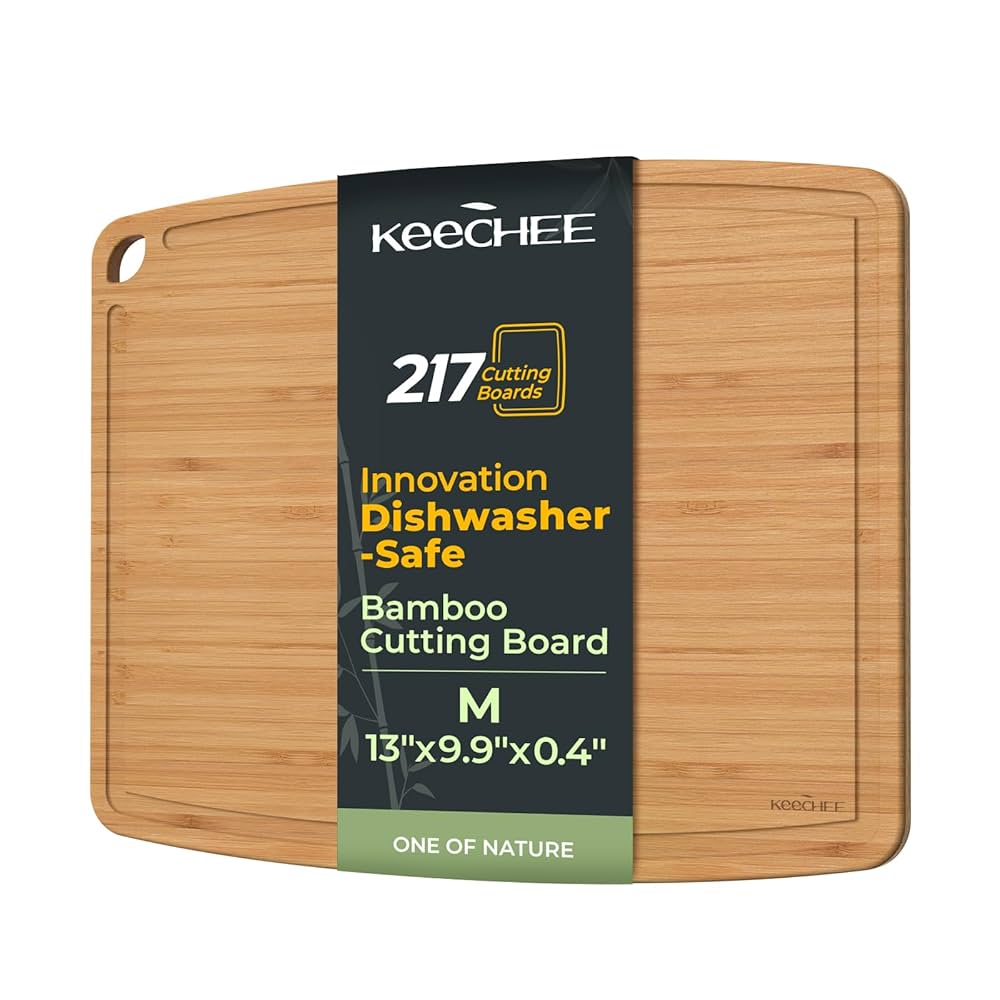
Have you ever wondered if it’s safe to put your wooden cutting board in the dishwasher? You might think it’s the easiest way to get it clean and sanitized, but what if this common habit is actually damaging your board?
Your wooden cutting board is an important kitchen tool, and knowing the right way to care for it can save you money and keep your food safer. Keep reading to discover the surprising truth about dishwashing wooden boards and learn the best tips to keep yours in perfect condition.
Risks Of Dishwasher Cleaning
Putting a wooden cutting board in the dishwasher can cause several problems. The heat and water may damage the wood over time.
It is important to understand the risks before cleaning wooden boards this way. This helps keep them safe and long-lasting.
Warping And Cracking
Dishwasher heat and water can make wooden boards warp or crack. The wood absorbs water and then dries quickly. This causes the wood to change shape.
Warped or cracked boards become unsafe to use. They may hold bacteria in the cracks and lose their smooth surface.
Loss Of Natural Oils
Wood cutting boards have natural oils that protect them. The dishwasher removes these oils with hot water and strong detergents.
- Dry wood loses moisture and becomes brittle.
- Without oils, wood can crack more easily.
- The surface feels rough and less smooth.
- Boards may look dull and worn out.
Bacterial Concerns
Some people think dishwashers kill all bacteria on wooden boards. This is not always true. The cracks and warped areas can hide bacteria.
| Cleaning Method | Effect on Bacteria |
| Dishwasher | May not clean cracks well |
| Hand washing with soap | Removes bacteria from surface |
| Regular oiling | Prevents cracks and bacteria growth |
Wood Types And Durability
Wooden cutting boards come in different types of wood. Their durability depends on the wood type and grain. Knowing these helps protect your board from damage.
Some woods are better suited for kitchen use. They resist water and cutting marks well. This guide explains hardwood vs softwood boards and end grain vs edge grain.
Hardwood Vs Softwood Boards
Hardwood boards come from slow-growing trees. Softwood boards are from fast-growing trees. Hardwoods are stronger and last longer in the kitchen.
- Hardwood:Oak, maple, walnut
- Softwood:Pine, cedar, fir
- Hardwood resists dents and cuts better
- Softwood can absorb water and crack faster
- Hardwood is safer for dishwashers but still not recommended
End Grain Vs Edge Grain
End grain boards show the wood fibers’ ends. Edge grain boards show the side grain of the wood. Each has different durability and care needs.
| Type | Description | Durability | Care Notes |
|---|---|---|---|
| End Grain | Wood fibers stand up like a forest | High resistance to cuts and scratches | Needs regular oiling to stay strong |
| Edge Grain | Wood fibers lie flat along the board | Less resistant to deep cuts | More prone to warping if wet too long |
Proper Care For Wooden Boards
Wooden cutting boards need special care to last a long time. You should clean them gently and keep them dry.
Putting wooden boards in the dishwasher can damage them. Learn the best ways to wash and care for your wooden boards.
Hand Washing Techniques
Always wash wooden boards by hand. Use warm water and mild soap to clean the surface.
Scrub gently with a soft sponge or cloth. Avoid soaking the board in water for too long.
- Use warm water, not hot
- Apply mild dish soap
- Scrub softly with a sponge
- Rinse quickly and thoroughly
- Never soak the board
Drying And Maintenance Tips
Dry wooden boards right after washing. Use a clean towel to remove water from all sides.
Let the board air dry standing up. This stops moisture from staying in one place and causing damage.
- Wipe dry with a clean cloth
- Stand board upright to dry
- Keep away from direct heat
- Store in a dry place
Oiling And Conditioning
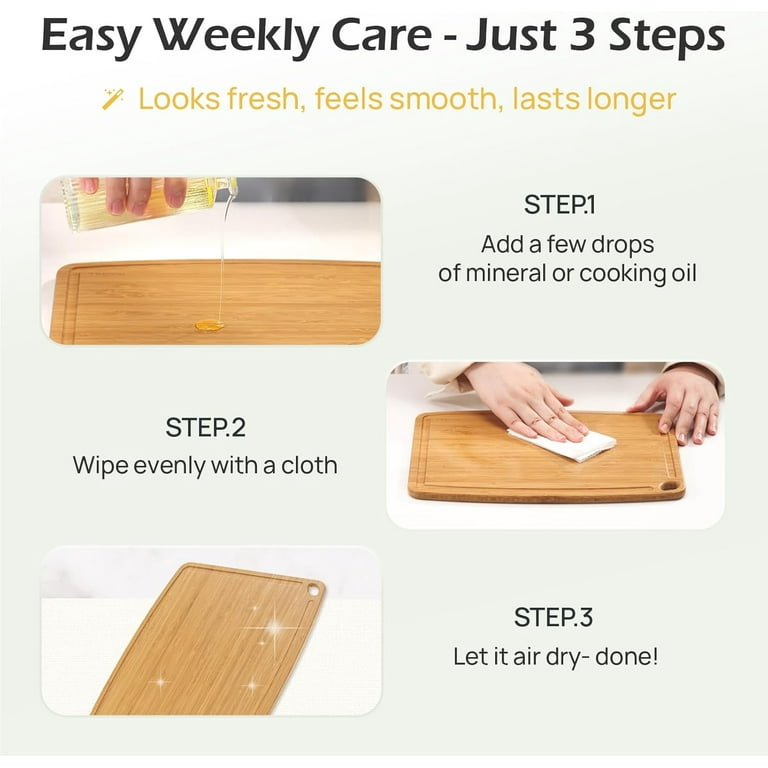
Oiling wooden boards keeps them from drying out and cracking. Use food-safe mineral oil or board conditioner.
Apply oil evenly with a soft cloth. Let it soak overnight and wipe off extra oil the next day.
- Choose food-safe mineral oil
- Apply oil regularly, about once a month
- Rub oil into all board surfaces
- Let oil soak in before wiping

Credit: www.amazon.com
Alternative Cleaning Methods
Wooden cutting boards need gentle cleaning to last longer. Dishwashers can damage wood by making it dry and crack.
Try these safe and natural ways to clean your wooden cutting board without using harsh tools or chemicals.
Using Vinegar And Baking Soda
Vinegar and baking soda work well to clean and remove odors from wooden boards. Vinegar kills bacteria, and baking soda helps scrub away stains.
- Sprinkle baking soda over the surface of the board.
- Pour white vinegar on top; it will bubble and fizz.
- Let it sit for 5 minutes to lift dirt and germs.
- Scrub gently with a soft brush or sponge.
- Rinse with warm water and dry with a clean towel.
Sanitizing With Lemon
Lemon is a natural sanitizer and freshener. It brightens the wood and leaves a clean scent.
| Method | Benefit |
|---|---|
| Rub lemon slice on board | Removes stains and kills germs |
| Sprinkle salt then lemon | Acts as a scrub for tough spots |
| Rinse and air dry | Prevents moisture damage |
Avoiding Harsh Chemicals
Harsh chemicals can harm wood and affect food safety. Choose mild cleaners or natural options instead.
- Do not use bleach or ammonia on wood.
- Avoid dish soaps with strong fragrances or dyes.
- Use warm water and gentle soap if needed.
- Dry the board immediately after washing.
- Oil the board regularly to protect its surface.
When To Replace Your Cutting Board
Wooden cutting boards look great and last long with care. Still, they do not last forever. Knowing when to replace your cutting board keeps your kitchen safe and clean.
Damage and hygiene are key signs that say it is time to get a new cutting board. Watch for these signs to protect your food and health.
Signs Of Damage
Wood can crack, warp, or get deep grooves after long use. These issues can hide bacteria and make the board unsafe.
- Deep cuts and grooves that do not clean well
- Large cracks or splits in the wood surface
- Warping that makes the board uneven
- Loose or broken joints if the board has multiple pieces
- Foul or persistent odors that stay after cleaning
Hygiene Considerations
Even if a board looks fine, it may still be unsafe to use. Bacteria can hide deep in wood fibers or damage areas.
| Hygiene Issue | Reason to Replace |
| Persistent stains | May signal bacteria growth |
| Bad smells | Show bacteria or mold inside |
| Frequent use for raw meat | Increases risk of cross-contamination |
| Failed cleaning attempts | Board remains unsafe despite washing |
Credit: www.greenwashingindex.com
Credit: www.walmart.com
Frequently Asked Questions
Can Wooden Cutting Boards Go In The Dishwasher?
No, wooden cutting boards should not go in the dishwasher. The heat and water cause wood to warp, crack, and lose its finish. Hand washing with mild soap and drying immediately extends their life and keeps them safe for food use.
What Happens If You Dishwasher A Wooden Cutting Board?
Dishwashing a wooden cutting board causes swelling, warping, and cracking. The high heat and prolonged water exposure damage the wood fibers. This weakens the board and may lead to bacterial growth in cracks, making it unsafe and shortening its lifespan.
How To Clean Wooden Cutting Boards Safely?
Clean wooden cutting boards by hand washing with warm water and mild soap. Avoid soaking or submerging them. Dry immediately with a towel. Regularly oil the board with food-safe mineral oil to prevent drying and cracking.
Can Dishwasher Damage Affect Wooden Cutting Boards?
Yes, dishwasher damage can cause wooden boards to warp and crack. Hot water and detergents strip natural oils from the wood. This damage reduces durability and creates unsafe surfaces for food preparation.
Conclusion
Wooden cutting boards do not belong in the dishwasher. Water and heat can cause wood to crack or warp. Cleaning by hand with warm soapy water is best. Dry the board quickly to avoid damage. Regular oiling keeps wood healthy and strong.
Taking care of your wooden board helps it last longer. Choose gentle cleaning to protect your kitchen tools. Your wooden cutting board deserves simple, careful care.