Are you ready to tackle your next home improvement project but feeling a bit intimidated by the thought of cutting Hardie cement board? You’re not alone.
Many DIY enthusiasts find themselves stumped by this durable material. But here’s the good news: mastering the art of cutting Hardie cement board is easier than you think. Imagine transforming your living space with sleek, professional finishes that you achieved all on your own.
In this guide, you’ll discover step-by-step instructions and insider tips that make the process straightforward and stress-free. Get ready to boost your confidence and take your DIY skills to the next level. Keep reading, and soon you’ll be cutting Hardie cement board like a pro!
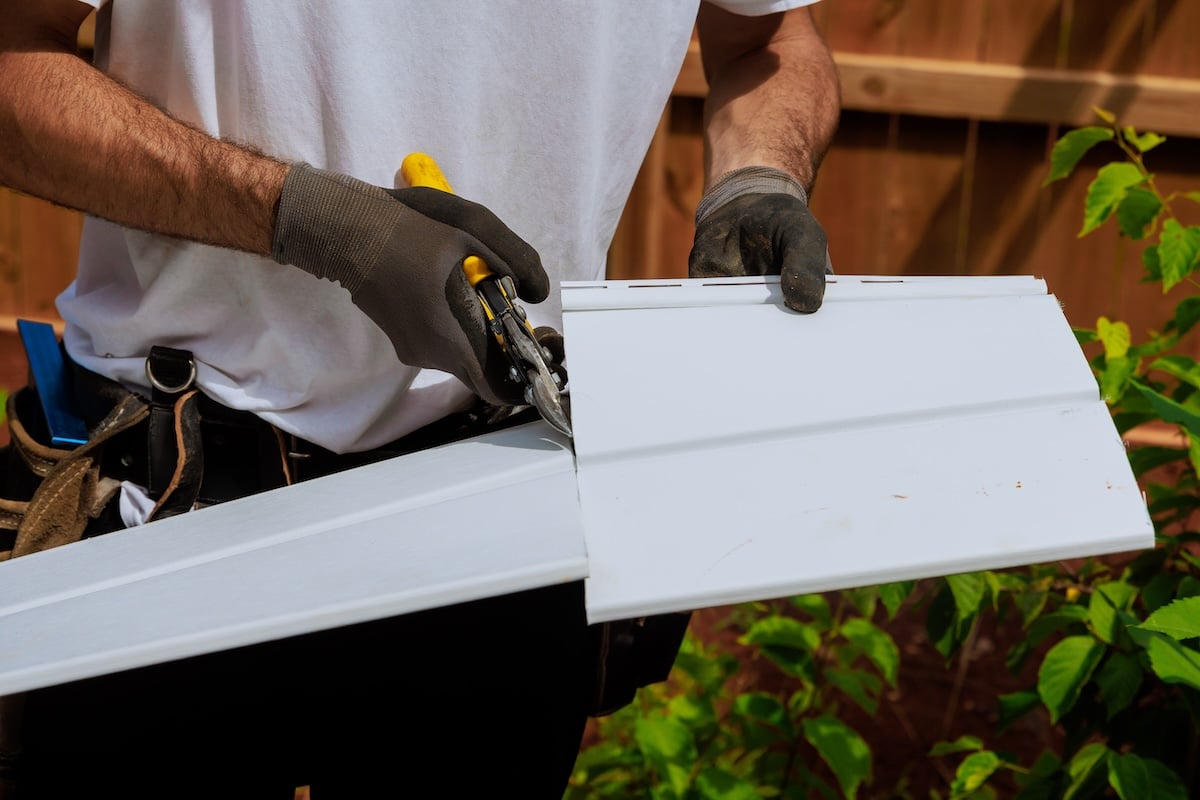
Credit: bestexteriorsinc.com
Tools Needed
Cutting Hardie cement board requires the right tools for accuracy and safety. Using proper equipment makes the job easier and cleaner.
Before starting, gather all tools and safety gear to protect yourself during the cutting process.
Essential Cutting Tools
You need specific cutting tools to score and snap Hardie cement board cleanly. These tools help you make straight and precise cuts.
- Carbide-tipped scoring knife or utility knife
- Measuring tape or ruler for accuracy
- T-square or straight edge for guiding cuts
- Power saw with a diamond blade or carbide-tipped blade
- Work table or sawhorses to support the board
- Vacuum or dust extractor to reduce dust
Safety Gear
Hardie cement board produces dust that can irritate your lungs and eyes. Wear safety gear to protect yourself from harm.
| Safety Item | Purpose |
| Respirator Mask | Blocks fine dust from being inhaled |
| Safety Goggles | Protects eyes from dust and debris |
| Heavy-duty Gloves | Prevents cuts and abrasions on hands |
| Long-sleeve Shirt and Pants | Minimizes skin exposure to dust |
| Ear Protection | Reduces noise from power saws |
Preparation Tips
Cutting Hardie cement board needs careful preparation. Good setup helps make clean, accurate cuts.
Before cutting, gather tools and plan your workspace. This keeps the process safe and smooth.
Measuring And Marking
Measure the board carefully to get the right size. Use a tape measure for accuracy.
Mark the cut line clearly with a pencil or chalk. Straight lines help guide your cutting tool.
- Measure twice to avoid mistakes
- Use a straight edge for marking lines
- Mark both sides if cutting through
Setting Up A Cutting Area
Find a flat, stable surface to place the cement board. This prevents wobbling during cutting.
Clear the area of clutter and protect surfaces from dust and debris. Use sawhorses or a workbench if possible.
- Wear safety gear like gloves and goggles
- Use dust control methods such as a vacuum
- Keep tools within easy reach
Cutting Methods
Hardie cement board is a tough material used in construction. Cutting it requires the right tools and methods. This guide shows different ways to cut Hardie cement board safely and cleanly.
Choose a cutting method based on your tools and the size of your project. Each method works best for different situations and skill levels.
Score And Snap Technique
This technique works well for straight cuts on Hardie cement board. It uses a simple scoring tool and hand pressure to break the board.
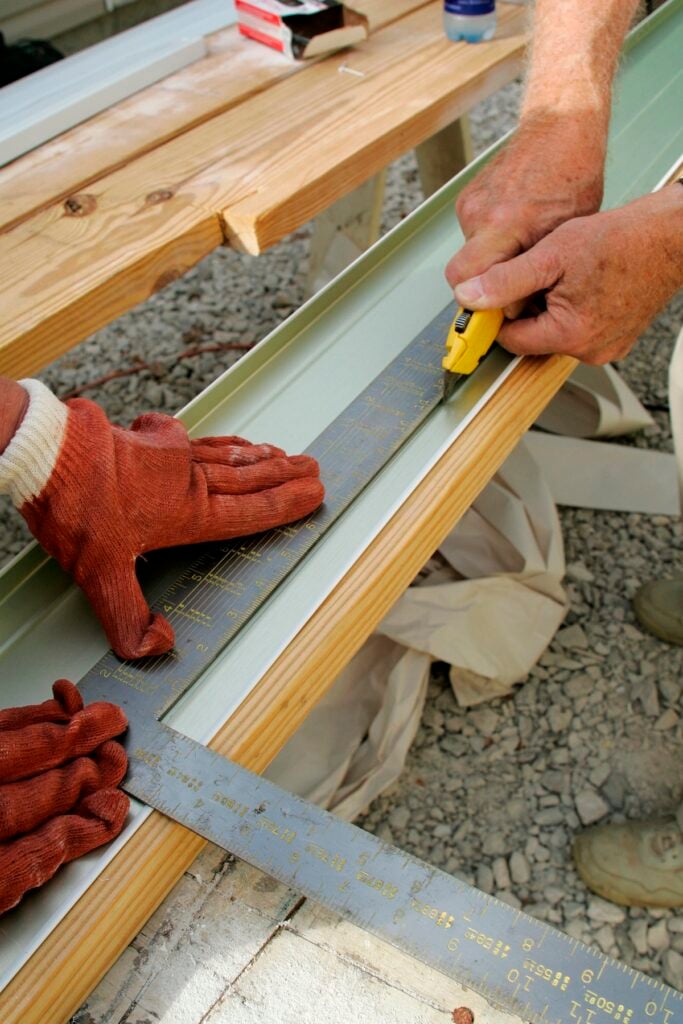
First, mark your cut line clearly. Use a carbide-tipped scoring tool to score along the line. Score deeply but do not cut through. Then, lift the board and snap it along the scored line.
- Mark the cut line with a pencil or chalk
- Score the board using a carbide blade or utility knife
- Bend the board gently to snap it along the score
- Smooth any rough edges with sandpaper
Using A Circular Saw
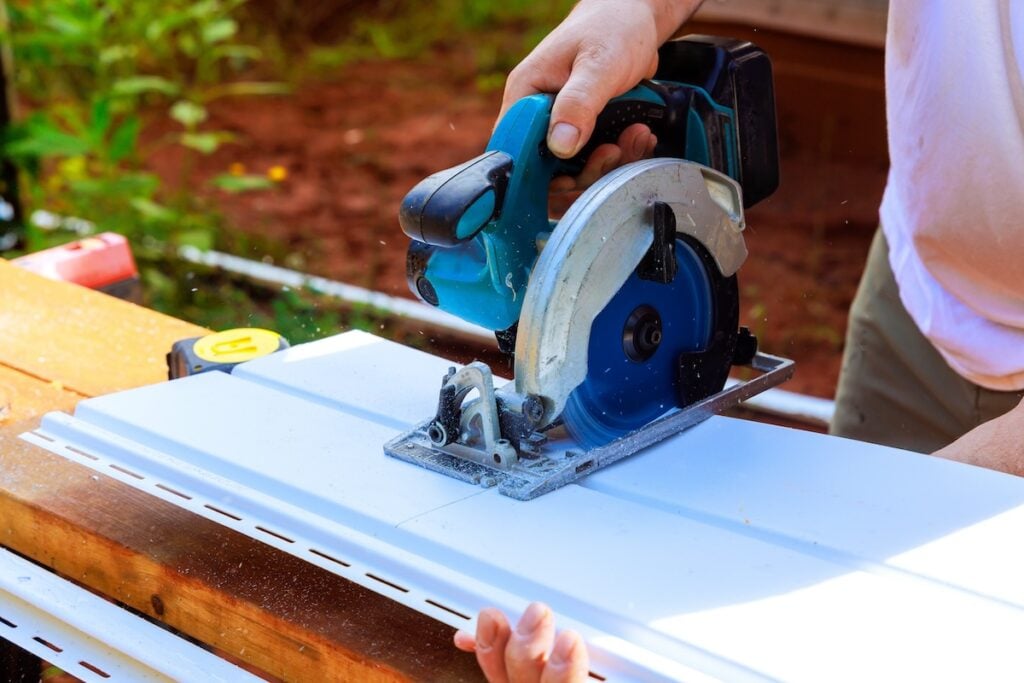
A circular saw cuts Hardie cement board quickly and accurately. Use a diamond blade or carbide-tipped blade designed for cement board.
Set the saw depth to just pass through the board. Cut along a marked line with steady pressure. Wear a dust mask and eye protection because cutting creates dust.
- Use a diamond or carbide-tipped blade
- Set blade depth slightly deeper than board thickness
- Cut slowly to reduce dust and heat
- Wear safety gear: mask, goggles, gloves
Using A Jigsaw
A jigsaw is good for curved or detailed cuts on Hardie cement board. Use a blade made for cutting cement or tile.
Clamp the board firmly before cutting. Follow the cut line with slow, steady strokes. Keep the blade cool and clean to avoid damage.
- Choose a carbide-grit or diamond blade for cement board
- Secure the board to prevent movement
- Cut slowly along the marked line
- Use water spray if possible to reduce dust and heat
Using A Handsaw
A handsaw can cut Hardie cement board but requires effort. Use a saw with carbide teeth for best results.
Mark your cut line clearly. Saw gently with steady strokes to avoid cracking the board. Wear safety gear to protect from dust and debris.
- Use a handsaw with carbide teeth
- Mark the cut line before sawing
- Saw slowly to prevent cracks
- Wear a dust mask and safety glasses
Step-by-step Cutting Process
Cutting Hardie cement board needs care and the right tools. You will get clean cuts by following simple steps.
Read each step to cut the board safely and neatly. Proper cutting helps your project look professional.
Scoring The Board
Mark the line where you want to cut the cement board. Use a pencil and a straightedge to draw a clear line.
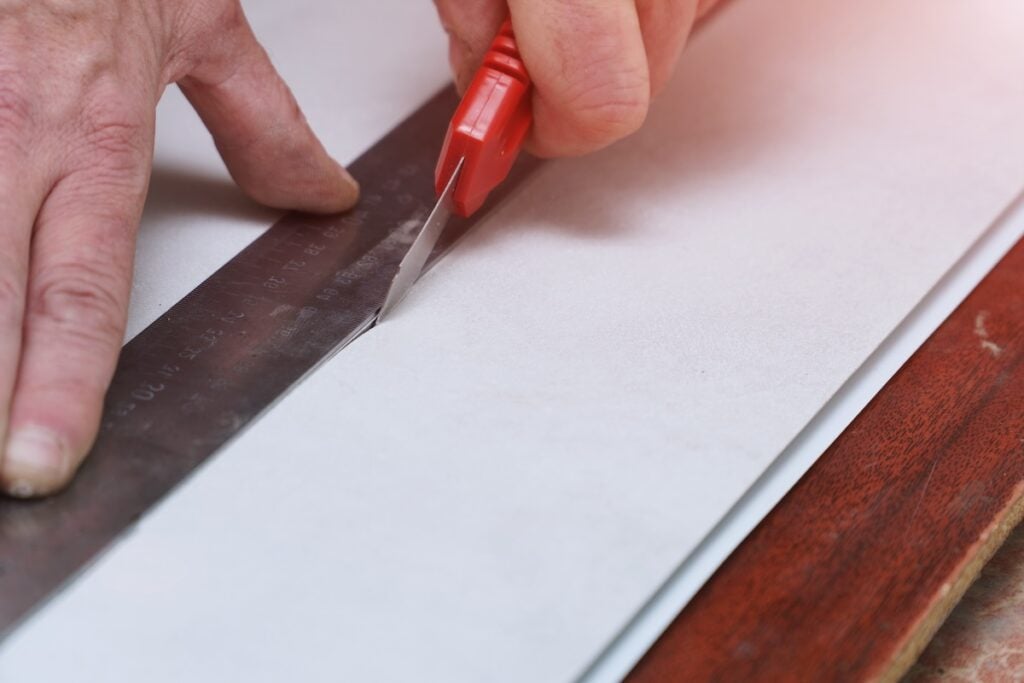
Use a utility knife to score along the line. Press firmly and score the surface several times to weaken the board.
- Place the board on a flat surface
- Use a ruler or straightedge for accuracy
- Score the board 3 to 5 times along the line
- Ensure the cut line is straight and visible
Snapping The Board
After scoring, lift the board slightly on one side of the line. Use your hands or a straight edge to snap it cleanly.
The board will break along the score line. Support the board well to avoid breaking the wrong part.
- Place the board with the scored line at the edge of a workbench
- Press down on the board opposite to the edge
- Snap the board downwards along the score
- Use gloves to protect your hands during snapping
Finishing The Edges
The edges after snapping may be rough. Use a rasp or sanding block to smooth the edges carefully.
Wear a mask to avoid inhaling dust. Clean the edges until they feel smooth to touch.
- Use a sanding block or metal rasp
- Sand gently along the edge
- Wear a dust mask and safety glasses
- Clean dust with a brush or cloth
Handling Difficult Cuts
Cutting Hardie cement board can be tough, especially for shapes and exact lines. Proper handling makes the job safer and cleaner.
Use the right tools and techniques to manage hard cuts. This guide helps with curves, notches, and precise edges.
Cutting Curves And Notches
Curves and notches need careful planning. Mark your design clearly on the board before you start cutting. Use a jigsaw with a carbide-grit blade for smooth curves.
- Draw the curve or notch on the board with a pencil.
- Secure the board firmly to avoid movement.
- Use slow, steady motions with the jigsaw.
- Wear safety glasses and a dust mask to protect yourself.
- File the edges gently if needed to smooth rough spots.
Making Precision Cuts
Precision cuts need sharp tools and steady hands. Score the cut line with a utility knife first. Then snap the board cleanly along the line.
| Tool | Use | Tip |
|---|---|---|
| Utility knife | Scoring straight lines | Make several passes for a deep score |
| Carbide-grit blade saw | Cutting board fully | Use slow speed to reduce dust |
| Jigsaw | Curves and irregular shapes | Choose blades made for cement board |
| File or rasp | Smoothing edges | Work gently to avoid breaking the board |
Safety Precautions
Cutting Hardie cement board creates dust that can harm your lungs. Always take safety steps before and during cutting. Proper protection keeps you safe and healthy.
Read instructions and prepare your workspace well. Use the right tools and safety gear to reduce risks.
Dust Control
Hardie board dust has silica, which is dangerous if inhaled. Control dust to protect your lungs and others around you.
Cut outdoors or in a well-ventilated area. Use a dust extraction system or a vacuum with a HEPA filter to catch dust as you cut.
- Cut outside or in open areas
- Use a saw with dust collection
- Wear a dust mask or respirator
- Keep others away from the dust zone
Protective Measures
Wear protective gear to avoid dust and sharp edges. Safety equipment lowers the chance of injury and illness.
Use gloves to protect your hands. Wear safety glasses to stop dust and small chips from hitting your eyes.
- Wear a NIOSH-approved respirator or dust mask
- Use safety goggles or glasses
- Wear thick gloves for hand protection
- Use ear protection if using loud power tools
- Wear long sleeves and pants to protect skin
Common Mistakes To Avoid
Cutting Hardie cement board can be tricky if you do not prepare properly. Many beginners make simple errors that cause damage or waste material.
This guide highlights common mistakes to avoid for clean and safe cuts every time.
Using The Wrong Tools
Some people try to cut Hardie board with tools meant for wood. This causes rough edges and possible board cracking. Use a score-and-snap knife or a carbide-tipped blade for best results.
Not Wearing Safety Gear
Hardie board dust can irritate your skin and lungs. Always wear gloves, safety glasses, and a dust mask to protect yourself during cutting.
Cutting Without Measuring Carefully
Improper measuring leads to wasted material and poor fitting pieces. Double-check all measurements before making any cuts.
- Measure twice, cut once
- Mark your cut line clearly with a pencil or chalk
- Use a straight edge to guide your cuts
Applying Too Much Pressure
Pressing too hard can break the board or damage the cutting tool. Use steady, even pressure to score the board and snap it cleanly.
Ignoring Dust Cleanup
Dust from cutting Hardie board is harmful if left around. Clean your workspace after every cut to keep the area safe and tidy.
Quick Dust Safety Tips
- Use a vacuum with a HEPA filter
- Wet the board slightly before cutting
- Work in a well-ventilated area
Credit: bestexteriorsinc.com
Maintenance Of Tools
Keeping your tools in good shape helps you cut Hardie cement board smoothly. Proper maintenance extends tool life and ensures safety.
Regular cleaning and checks prevent damage and keep performance high. This guide covers key points to care for your cutting tools.
Cleaning After Use
Remove dust and debris after every job. Use a brush or compressed air to clean blades and saw parts. Avoid water on electric tools.
Blade Inspection And Sharpening
Check blades for chips, cracks, and dullness. Sharp blades cut faster and produce cleaner edges. Replace or sharpen blades regularly.
- Look for visible damage before each use
- Use a diamond blade for cement board
- Sharpen blades with proper tools or replace them
Lubrication Of Moving Parts
Lubricate gears and bearings monthly. Use light machine oil to reduce friction and wear. Avoid over-lubrication to prevent dust buildup.
Storage Tips
| Storage Practice | Reason |
|---|---|
| Keep tools in a dry place | Prevents rust and corrosion |
| Store blades separately | Avoids damage and dulling |
| Use protective cases | Protects tools from dust and knocks |
Credit: bestexteriorsinc.com
Frequently Asked Questions
What Tools Are Best For Cutting Hardie Cement Board?
The best tools include a score-and-snap knife, circular saw with a carbide blade, or a jigsaw. These tools ensure clean, precise cuts and minimize dust.
How Do I Minimize Dust When Cutting Hardie Board?
Cut outdoors or in a well-ventilated area. Use a dust mask and water spray to reduce airborne dust while cutting.
Can I Cut Hardie Cement Board Without Special Tools?
Yes, you can score and snap the board using a utility knife, but power tools speed up the process and improve accuracy.
What Safety Precautions Are Needed When Cutting Hardie Board?
Wear protective eyewear, a dust mask, and gloves. Always cut in a ventilated area to avoid inhaling silica dust.
Conclusion
Cutting Hardie cement board is simple with the right tools and steps. Score the board carefully, then snap it along the line. Use a carbide blade for clean cuts and wear safety gear. Take your time to avoid mistakes or injury.
Practice on a scrap piece before the real cut. These tips help you work safely and get good results every time. Keep these easy methods in mind for your next project.