When it’s time to change your air conditioner filter, you might wonder, “Which way does the air conditioner filter go?” It’s a simple question, but placing the filter the wrong way can reduce your AC’s efficiency and even damage the system. You want cool, clean air flowing through your home, right?
Getting this small detail right can save you money and keep your air fresh and healthy. Keep reading, and you’ll learn exactly how to install your filter the right way—quickly and easily.
Air Conditioner Filter Basics
An air conditioner filter helps keep the air clean. It catches dust, dirt, and pollen. Filters come in different types:
- Fiberglass filtersare cheap and disposable.
- Pleated filtershave more surface area for better filtering.
- Electrostatic filtersattract particles using static electricity.
Filters have two main parts:
- Frameholds the filter media in place.
- Filter mediatraps dust and dirt.
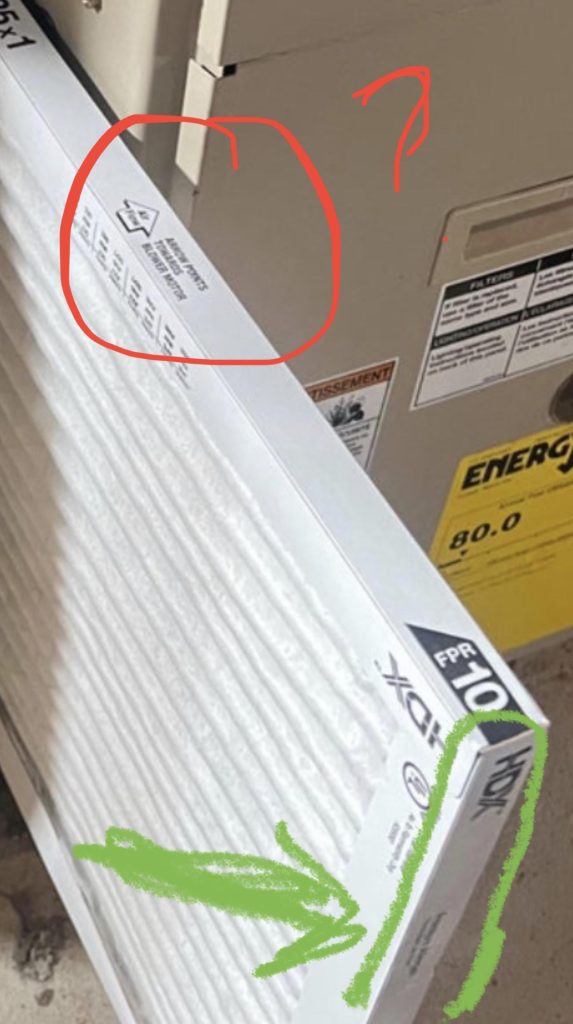
Always put the filter in the right direction. Usually, arrows on the frame show airflow direction. The air should flow from the return duct through the filter to the blower.

Credit: www.reddit.com
Identifying Filter Direction
The air conditioner filterusually has an arrowon its frame. This arrow shows the direction of airflow. The arrow should point towards the air conditioner unit. It means the air passes through the filter in that direction.
The filter framealso helps in placing it correctly. The side with the plastic or rubber frameoften faces outward. The mesh or filter materialfaces inward, where air flows.
- Look for arrow markson the filter frame.
- The arrow points to the air handleror return vent.
- Filter frame sides can differ; one side is usually stiffer.
- The stiffer frameusually faces outward.
- Place filter so air flows through the filter media.
Installing The Filter Correctly
Look for the arrows on the filter frame. These arrows show the airflow direction. The arrow should point toward the air conditioner’s blower fan. Usually, this means the arrow points inside the unit, not outside.
Remove the old filter carefully. Insert the new filter so the arrow aligns with the airflow inside the system. Make sure the filter fits snugly without gaps.
- Do not install the filter backwards. It blocks airflow and reduces cooling.
- Check the filter size before buying. Wrong size causes poor fit and leaks.
- Replace the filter regularly, about every 1-3 months, to keep air clean.
- Never force the filter in if it feels tight. It may damage the filter or unit.

Credit: www.reddit.com
Signs Of Improper Filter Placement
Reduced airflowis a clear sign the filter is not placed correctly. The air conditioner struggles to pull air through the filter. This makes the room feel warmer than usual. Dust and dirt build up faster inside the unit.
Increased energy consumptionhappens because the unit works harder. It uses more electricity to keep the room cool. Bills may rise without a clear reason. The air conditioner may also make strange noises.
Maintaining Your Air Conditioner Filter
Air conditioner filters should always be installed with the arrow pointing in the direction of airflow. This arrow is usually printed on the filter frame. The arrow points towards the inside of the unit, away from the return air duct.
Cleaning the filter regularly keeps the air fresh and the unit running smoothly. Use a vacuum or wash the filter with water and mild soap. Let it dry completely before placing it back.
| Filter Type | Replacement Frequency |
|---|---|
| Standard Fiberglass | Every 30 days |
| Pleated Filters | Every 90 days |
| High-Efficiency Filters | Every 6 months |

Credit: www.familyhandyman.com
Expert Advice For Optimal Performance
The air conditioner filter must be placed with the arrow pointing in the direction of airflow. This arrow is usually on the side of the filter. It should face toward the blower faninside the unit. Incorrect placement reduces air qualityand cooling efficiency.
Filters come in many types: fiberglass, pleated, HEPA. Choose one that fits your AC modeland home needs. Higher MERV ratings trap smaller particles but may reduce airflow.
| Filter Type | Best For | Notes |
|---|---|---|
| Fiberglass | Basic dust and dirt | Least expensive, low filtration |
| Pleated | Better dust and pollen | More efficient, lasts longer |
| HEPA | Allergens and tiny particles | High filtration, may need stronger fan |
Regular professional servicing keeps the AC running well. Experts check filters, coils, and refrigerant. They clean parts and fix small problems early. This saves money and improves air quality.
Frequently Asked Questions
How Do I Identify The Correct Air Filter Direction?
Look for arrows on the filter frame showing airflow direction. Insert the filter so arrows point toward the air handler or furnace.
What Happens If The Filter Is Installed Backward?
Installing backward restricts airflow, reducing AC efficiency. It can cause the system to overheat or freeze.
How Often Should I Replace The Ac Filter?
Replace the filter every 1 to 3 months. This keeps your AC running efficiently and improves indoor air quality.
Can A Dirty Filter Damage My Air Conditioner?
Yes, a dirty filter strains the system, leading to higher energy bills and costly repairs over time.
Conclusion
Placing the air conditioner filter correctly keeps your unit working well. The arrow on the filter shows the right airflow direction. Always match it with the airflow inside the AC. A clean, well-placed filter helps cool your home efficiently. Changing the filter regularly improves air quality and saves energy.
Simple steps prevent damage and costly repairs later. Take a moment to check the filter next time you clean. Your AC will thank you with better performance and longer life. Easy care makes a big difference.