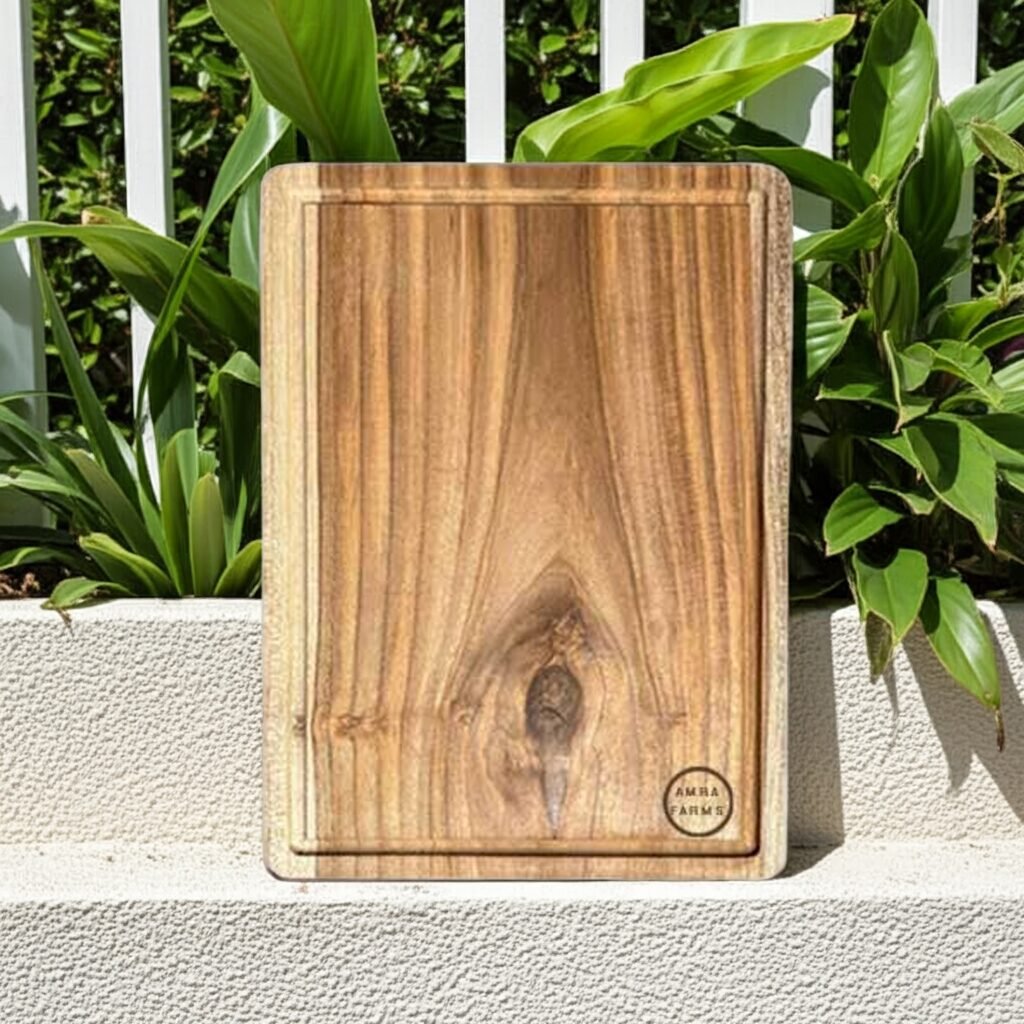
Does your wooden cutting board hold onto stubborn smells no matter how much you wash it? You’re not alone.
Those lingering odors can turn your cooking experience unpleasant and even affect the taste of your food. But don’t worry—there are simple, effective ways to deodorize your cutting board and keep it smelling fresh. You’ll discover easy tricks that anyone can use to bring your wooden board back to life.
Ready to say goodbye to bad smells and make your kitchen more inviting? Let’s dive in.
Causes Of Odors On Wooden Boards
Wooden cutting boards can absorb smells during food preparation. These odors come from certain foods and other sources.
Knowing what causes these smells helps you clean and deodorize your board effectively.
Common Smelly Foods
Some foods leave strong odors on wooden boards. These smells can be hard to remove without proper cleaning.
- Garlic and onions release sulfur compounds that stick to wood.
- Fish and seafood leave a strong, lingering smell.
- Strong spices like curry or cumin can penetrate wood pores.
- Cheese, especially aged types, may leave oily residues and odors.
Moisture And Bacteria Build-up
Wood is porous and can trap moisture. This dampness allows bacteria to grow inside the board.
| Cause | Effect |
| Trapped moisture | Wood stays wet and smells develop |
| Bacteria growth | Causes bad odors and potential health risks |
| Improper drying | Increases chance of mold and mildew |
Credit: www.foodnetwork.com
Daily Cleaning Techniques
Keeping your wooden cutting board fresh is important. Daily cleaning helps remove odors and bacteria.
Simple habits make your cutting board last longer and stay safe for food use.
Soap And Water Wash
Wash your wooden cutting board with warm, soapy water after each use. Use mild dish soap and a soft sponge.
- Rinse the board under warm water.
- Apply a small amount of dish soap.
- Scrub gently with a sponge or brush.
- Rinse thoroughly to remove all soap.
- Dry the board with a clean towel.
Proper Drying Methods
Drying your wooden cutting board correctly stops smells and cracks. Do not leave it wet or in damp places.
| Drying Method | Why It Works |
| Air dry upright | Allows water to drain and air to circulate |
| Use a clean towel | Removes surface moisture quickly |
| Avoid stacking | Prevents moisture buildup between boards |
Natural Deodorizing Methods
Wooden cutting boards can absorb smells from food. Using natural methods helps remove odors safely. These methods keep your board clean without harsh chemicals.
Try these simple ways to deodorize your wooden cutting board using items from your kitchen.
Lemon And Salt Scrub
Lemon and salt work together to clean and freshen your board. The lemon juice breaks down smells, and salt scrubs away stains.
- Cut a lemon in half.
- Sprinkle coarse salt over the board.
- Rub the lemon over the salt in a circular motion.
- Let it sit for 5 minutes.
- Rinse with warm water and dry well.
Baking Soda Paste
Baking soda neutralizes odors and removes stains. Make a thick paste and scrub your board gently.
Mix baking soda with water until it forms a paste. Spread the paste on the board and scrub with a sponge. Leave it for 10 minutes, then rinse and dry.
Vinegar Rinse
Vinegar kills bacteria and removes smells. It is a good final rinse after cleaning your board.
| How to Use | Details |
| Pour vinegar | Pour white vinegar over the entire surface |
| Let sit | Wait 5 minutes for the vinegar to work |
| Rinse | Rinse with warm water and dry |
Deep Cleaning Tips
Wooden cutting boards can hold odors after use. Deep cleaning helps remove smells and keeps boards fresh.
This guide shares two simple ways to deodorize your wooden cutting board deeply and safely.
Hydrogen Peroxide Treatment
Hydrogen peroxide cleans and deodorizes wooden boards without harsh chemicals. It kills bacteria and lightens stains.
- Pour 3% hydrogen peroxide on the board’s surface.
- Spread it evenly with a clean cloth or sponge.
- Let it sit for 5 to 10 minutes to kill germs.
- Rinse the board with warm water.
- Dry the board completely with a towel or air dry.
Sunlight Exposure
Sunlight naturally removes odors and dries the board. UV rays help kill bacteria that cause smells.
| Sunlight Exposure Tips |
| Place the board outside in direct sunlight |
| Leave for 2 to 3 hours for best results |
| Turn the board halfway through drying |
| Avoid leaving the board out in rain or wet weather |
Preventing Future Odors
Wooden cutting boards can hold onto smells from foods. Stopping odors early keeps your board fresh and clean longer.
Two main ways help prevent bad smells: treating the board with oil and using separate boards for strong-smelling foods.
Regular Oil Treatment
Oiling your wooden board stops it from drying out and absorbing odors. Use food-safe mineral oil or beeswax oil to keep it sealed.
- Apply oil with a soft cloth once a month or after washing
- Let the oil soak in for a few hours or overnight
- Wipe off any extra oil before use
- Do not use cooking oils like olive or vegetable oil; they can go rancid
Separate Boards For Strong Smells
Using different boards for foods with strong odors helps stop smells from spreading. Keep one board for fish, another for vegetables, and a third for meat.
| Food Type | Board Color or Label |
| Fish and Seafood | Blue |
| Vegetables and Fruits | Green |
| Meat and Poultry | Red |
Credit: choppingboards.in
When To Replace Your Cutting Board
Wooden cutting boards need care to last long. Knowing when to replace them keeps your kitchen safe.
Here are signs of damage and health risks that tell you it is time for a new cutting board.
Signs Of Damage
Look closely at your wooden cutting board for these damage signs. They mean the board may not be safe to use.
- Deep cracks or splits in the wood
- Large, rough grooves that are hard to clean
- Warping or bending of the board
- Loose or missing pieces of wood
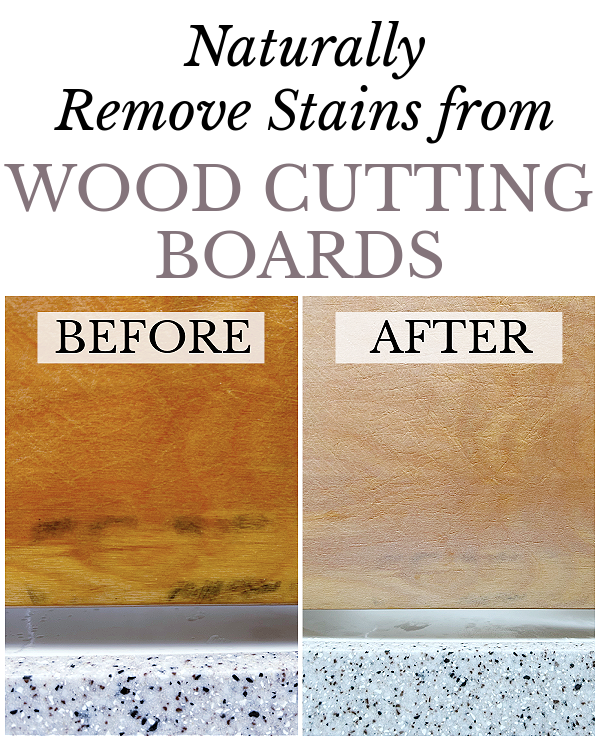
- Persistent stains or odors that do not go away
Health Risks
Old or damaged boards can cause health problems. Bacteria hide in cracks and grooves, making food unsafe.
| Risk | Cause | Effect |
| Bacterial Growth | Cracks and deep cuts | Food contamination and illness |
| Cross-Contamination | Hard to clean surfaces | Spread of harmful germs |
| Allergic Reactions | Trapped food particles | Allergy triggers from old residues |
Credit: www.lemonslavenderandlaundry.com
Frequently Asked Questions
How Do I Remove Odors From A Wooden Cutting Board?
To remove odors, sprinkle baking soda on the board. Scrub gently with a lemon half. Rinse with warm water and dry thoroughly.
Can Vinegar Deodorize A Wooden Cutting Board?
Yes, vinegar neutralizes odors effectively. Wipe the board with white vinegar. Let it sit for a few minutes, then rinse and dry.
How Often Should I Deodorize My Wooden Cutting Board?
Deodorize your board weekly or after cutting strong-smelling foods. Regular cleaning prevents odor buildup and keeps it fresh.
Is Lemon Juice Safe For Wooden Cutting Boards?
Yes, lemon juice is safe and natural. It helps kill bacteria and neutralize odors without damaging the wood.
Conclusion
Deodorizing a wooden cutting board keeps your kitchen fresh and clean. Simple steps like using lemon, baking soda, or vinegar work well. Clean your board often to stop smells from building up. Dry it properly to avoid moisture and bad odors.
Taking care of your board helps it last longer and stay safe. Small efforts make a big difference in your kitchen hygiene. Keep your wooden cutting board smelling good with easy, natural methods.