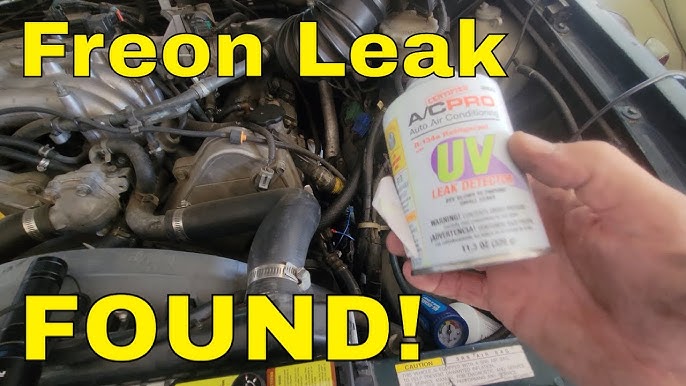
Is your air conditioner not cooling like it used to? You might have a leak, and finding it quickly can save you time and money.
Leaks in your AC system can cause poor performance and increase your energy bills. But don’t worry—this guide will show you simple ways to spot those sneaky leaks before they turn into big problems. Keep reading, and you’ll learn how to protect your comfort and keep your AC running smoothly all season long.
Credit: www.carrier.com
Signs Of An Air Conditioner Leak
Reduced cooling efficiencyis a clear sign of an air conditioner leak. The unit struggles to cool the room properly. Rooms stay warm even when the AC runs long.
Unusual noiseslike hissing or bubbling sounds may come from the system. These noises happen because of escaping refrigerant gas.
Ice formation on coilsshows that the refrigerant level is low. Ice builds up on the cooling coils, blocking airflow and causing poor cooling.
High energy billscan occur as the AC works harder to cool the space. The leak causes the system to use more electricity than usual.

Credit: www.youtube.com
Common Leak Sources
Refrigerant linescarry the coolant through the air conditioner. Leaks often happen where the lines bend or run through walls. Look for oily spots or dirt stuck to the lines. These can show where the coolant is leaking.
The evaporator coilcools the air inside your home. It can develop tiny holes or cracks. These leaks cause the system to lose cooling power. Check for frost or ice build-up on the coil. This can be a sign of a leak.
The condenser coilreleases heat outside. Dirt and debris can cause damage and leaks here. Look for wet spots or oily residue on or near the coil. These signs can point to a leak.
- Fittings and connectionsjoin different parts of the system. They can loosen or corrode over time.
- Check these spots for moisture or oily dirt.
- Leaks often start at these weak points.
Tools For Leak Detection
Electronic leak detectorssense tiny amounts of refrigerant gas. They beep or light up near leaks. These are fast and easy to use, especially in hard-to-see places.
UV dye and UV lighthelp find leaks by adding dye to the system. The dye flows with refrigerant and glows under UV light, showing leak spots clearly.
Soap bubble testuses a soapy water mix applied to suspect areas. Bubbles form where gas escapes, marking the leak’s exact location.
| Tool | How It Works | Best For |
|---|---|---|
| Electronic Leak Detector | Detects refrigerant gas with sensors | Quick checks, hidden leaks |
| UV Dye and UV Light | Dye glows under UV light at leak points | Visible leaks, detailed inspection |
| Soap Bubble Test | Bubbles form at leak spots | Small leaks on accessible parts |
| Pressure Gauges | Measure system pressure changes over time | Detect slow leaks, system monitoring |

Credit: fischerheating.com
Step-by-step Leak Detection Process
Start with a visual inspectionof the air conditioner. Look for oil stainsor wet spots on pipes and coils. These stains often show where the refrigerant is leaking.
Next, use electronic detectors. These tools sense small amounts of refrigerant gas. Move the detector slowly along the lines, connections, and coils. It will beep or light up near leaks.
Apply UV dyeinto the AC system. Run the unit for a short time. Use a UV light to check for bright green or yellow marks. These spots reveal leaks clearly.
Perform a soap bubble test. Mix water and soap in a spray bottle. Spray the solution on pipes and joints. Bubbles will form where air escapes, showing leaks.
Preventing Future Leaks
Regular maintenance keeps your air conditioner running smoothly. Clean or replace filters often to avoid dust buildup. Check for any signs of leaks or corrosion.
Proper installation helps prevent leaks from the start. Make sure the unit is level and sealed tightly. Poor installation can cause water to drip where it shouldn’t.
Timely repairs stop small problems from becoming big ones. Fix leaks as soon as you notice them. Delaying repairs can damage the system further.
- Avoid physical damage by keeping the area around the AC clear.
- Don’t place heavy objects on the unit.
- Protect it from strong winds or falling debris.
When To Call A Professional
Leaks in hard-to-see places need expert help. Professionals have tools to find leaks in tight spots. Handling refrigerants requires care. These chemicals can be harmful without safety gear and training.
Experts also use tools to check and adjust equipment. Proper calibration keeps your air conditioner working well. Some repairs may void your warranty if done by non-professionals. Calling a pro can protect your warranty and avoid extra costs.
Frequently Asked Questions
How Can I Detect An Air Conditioner Leak At Home?
You can detect leaks by checking for oily residue on coils or connections. Use a leak detector or soapy water to spot bubbles indicating leaks.
What Are Common Signs Of A Refrigerant Leak?
Signs include reduced cooling efficiency, hissing sounds, ice buildup on coils, and higher energy bills. Timely detection prevents damage.
Can I Fix An Air Conditioner Leak Myself?
Small leaks might be fixed with DIY sealants, but refrigerant leaks require professional repair for safety and compliance with regulations.
How Often Should I Check My Ac For Leaks?
Inspect your AC for leaks at least once a year, ideally before summer. Regular checks ensure optimal performance.
Conclusion
Finding an air conditioner leak takes patience and careful checking. Start by looking at common spots like pipes and coils. Use simple tools like soapy water to spot bubbles. Fix small leaks quickly to avoid bigger problems. Regularly check your AC to keep it running well.
A little effort saves money and keeps your home cool. Remember, early action helps your air conditioner last longer. Keep your space comfortable all year round.