Are you tired of feeling too hot inside your home but unsure which cooling option suits you best? If you’ve been wondering how through the wall air conditioners work, you’re in the right place.
These units offer a smart way to cool your space without taking up window space or cluttering your room. Understanding how they function can help you decide if they’re the perfect fit for your comfort needs. Keep reading, and you’ll discover the simple mechanics behind these cool devices and how they can transform your living environment.
Basic Components
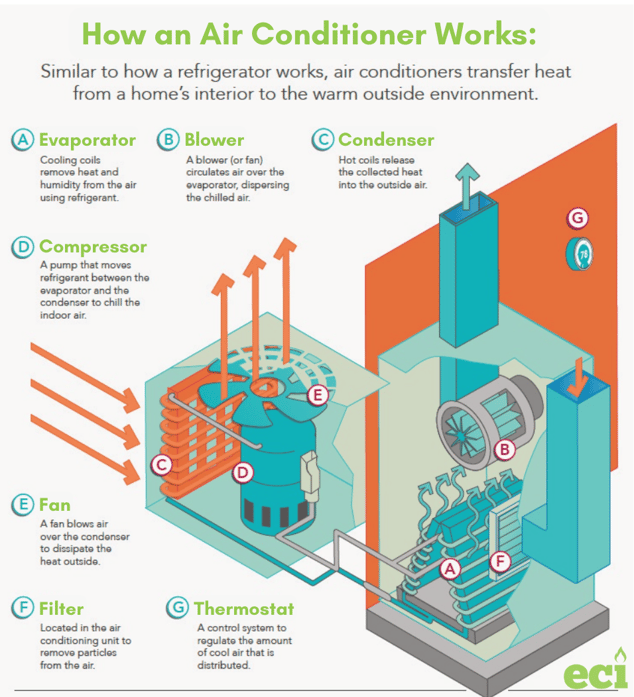
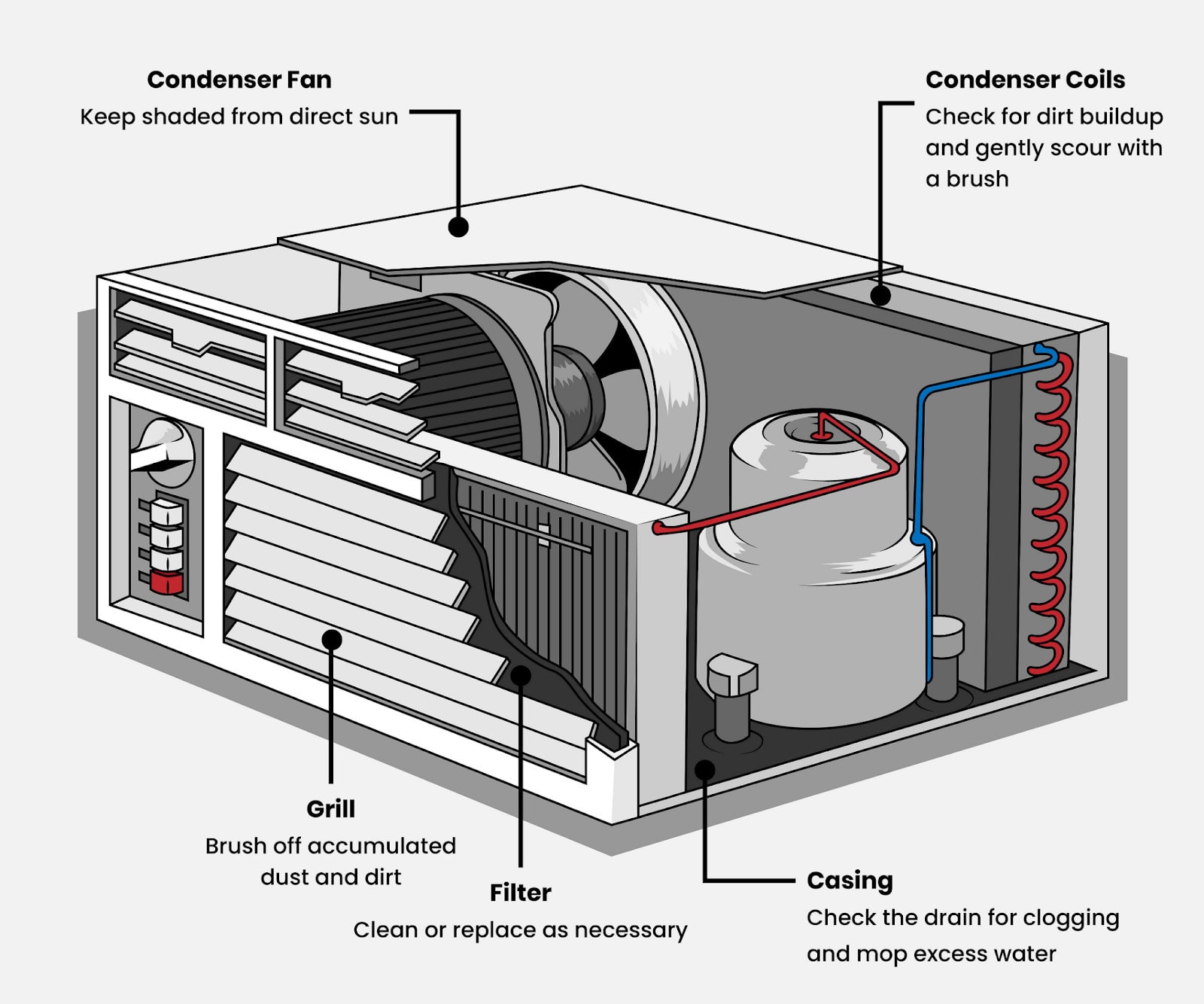
The compressorpumps refrigerant through the system. It raises the pressure and temperature of the refrigerant gas.
The condensercools the hot gas, turning it into a liquid. This process removes heat from inside the room to outside.
The evaporatorabsorbs heat from indoor air. It turns the liquid refrigerant back into gas, cooling the air around it.
The fanmoves air across the evaporator and condenser coils. It helps spread the cool air inside and blows hot air outside.
Credit: blog.totalhomesupply.com
Installation Process
Wall preparationinvolves measuring and cutting a hole to fit the air conditioner unit. The hole must be the right size to hold the unit firmly. The wall should be clean and dry to avoid any damage.
Unit placementmeans sliding the air conditioner into the hole. The unit must be level to work well and avoid water leaks. Support brackets or frames may be used to hold the unit steady.
Sealing and insulationare important to keep air from escaping. Use weatherproof sealant around the edges of the unit. Insulating foam or strips fill any gaps to stop heat or cold from leaking.
Cooling Cycle
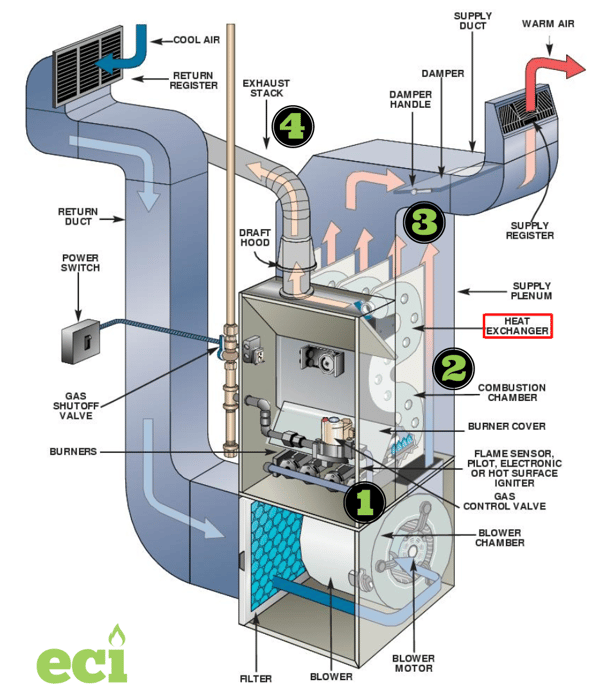
The refrigerantmoves through pipes inside the air conditioner. It carries heat from inside the room to the outside. The refrigerant changes from liquid to gas and back, which helps cool the air.
Heat exchange happens when the refrigerant absorbs heat from indoor air. This heat moves outside and leaves the refrigerant cool again. The warm air from outside is pushed out.
- Indoor fanpulls warm air from the room.
- Air passes over cold coils to cool down.
- Cooled air blows back into the room.
- Outdoor fanpushes hot air outside.
Credit: www.ecicomfort.com
Energy Efficiency
Through the wall air conditionersuse less power than window units. Their design helps them cool rooms efficiently. Checking the power consumptionlabel before buying saves energy and money.
| Season | Energy Rating | Efficiency Level |
|---|---|---|
| Summer | SEER 14+ | High |
| Winter | HSPF 8+ | Good |
- Set temperature at a comfortable level, not too low.
- Close doors and windows to keep cool air in.
- Clean filters regularly to maintain airflow.
- Turn off the unit when room is empty.
Maintenance Tips
Filter Cleaningis key to keeping your air conditioner working well. Dirt and dust block airflow and reduce cooling. Remove the filter gently and wash it with warm water. Let it dry fully before putting it back. Clean filters every month during heavy use.
Coil Carehelps maintain good cooling. Dirt on the coils stops heat transfer. Use a soft brush or cloth to clean the coils carefully. Avoid bending the fins. Check coils twice a year to keep them free from dust and debris.
Troubleshooting Common Issuescan save time and money. If the unit does not cool well, check if the filter is dirty or the coils are clogged. Strange noises may mean loose parts or debris inside. Reset the power if the unit stops working. Call a professional if problems continue.
Advantages And Drawbacks
Through the wall air conditionerssave space by fitting directly into walls. They do not block windows or take floor space. This makes rooms look less crowded and more open.
These units usually produce low to moderate noise levels. Some models run quietly, good for bedrooms or offices. Others may sound louder, which can be distracting.
| Cost Factors | Description |
|---|---|
| Initial Price | Often higher than window ACs due to installation needs |
| Installation | Requires wall modification, may need professional help |
| Energy Use | Can be efficient, but depends on model and size |
| Maintenance | Easy to clean filters but fixed in place |
Comparison With Other Ac Types
Through the wall air conditionersfit into a hole in the wall. They cool a room like window units but do not block the window view.
| Type | Installation | Space Needed | Portability | Noise Level |
|---|---|---|---|---|
| Through the Wall Units | Fixed in wall | Small hole in wall | Not portable | Moderate |
| Window Units | Fit in window | Blocks window view | Not portable | Moderate |
| Split Systems | Indoor and outdoor parts | Needs outdoor space | Not portable | Quiet |
| Portable ACs | No fixed installation | Needs venting through window | Portable | Usually louder |
- Window unitsblock part of the window and can be noisy.
- Split systemsare quiet but need outdoor space for the compressor.
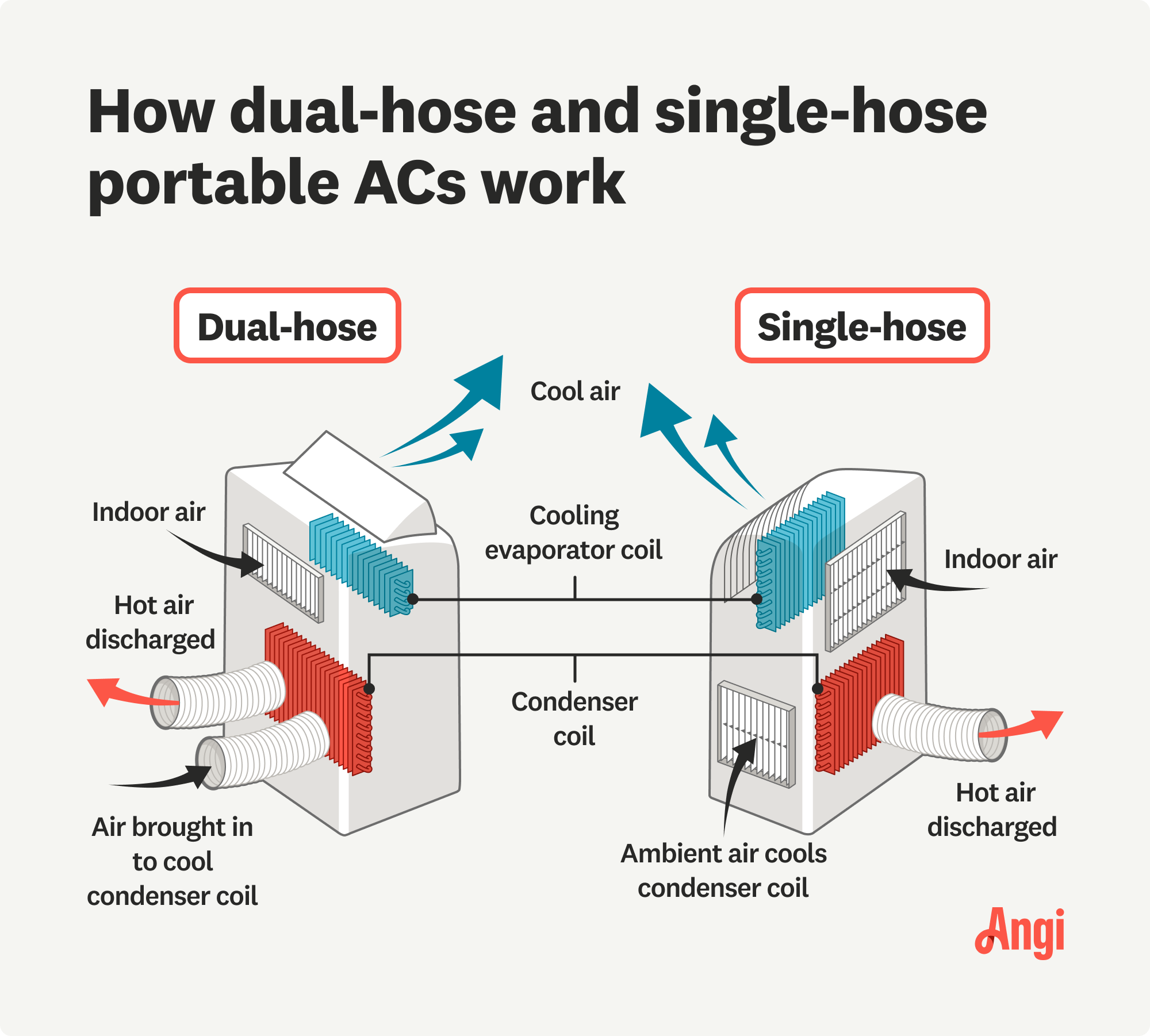
- Portable air conditionersare easy to move but need a vent hose.
Credit: www.angi.com
Frequently Asked Questions
How Do Through The Wall Air Conditioners Work?
Through the wall air conditioners draw warm air inside, cool it using refrigerant, and expel hot air outside. They fit into a wall sleeve, allowing efficient heat exchange and cooling without window installation. This design saves space and provides consistent room temperature control.
What Are The Benefits Of Through The Wall Ac Units?
Through the wall AC units save window space and offer a cleaner look. They provide efficient cooling and better insulation. These units reduce noise and maintain security by eliminating open windows. Installation is permanent, making them ideal for rooms needing consistent climate control.
How Is Through The Wall Ac Installed?
Installation requires cutting a precise hole in an exterior wall. The unit fits into a protective sleeve installed in the wall. Proper sealing prevents air leaks and water intrusion. Professional installation ensures safety, optimal performance, and longevity of the air conditioner.
Are Through The Wall Air Conditioners Energy Efficient?
Yes, modern through the wall air conditioners are energy efficient. They use advanced compressors and refrigerants to minimize power consumption. Proper sealing and insulation further reduce energy waste. Look for Energy Star-rated models for the best efficiency and lower utility bills.
Conclusion
Through the wall air conditioners cool rooms by moving warm air outside. They fit directly into a wall, saving space. These units use fans and coils to remove heat efficiently. They work well in homes without window space. Easy to install and use, they offer steady comfort.
Knowing how they work helps you choose the right one. A smart option for simple, effective cooling.