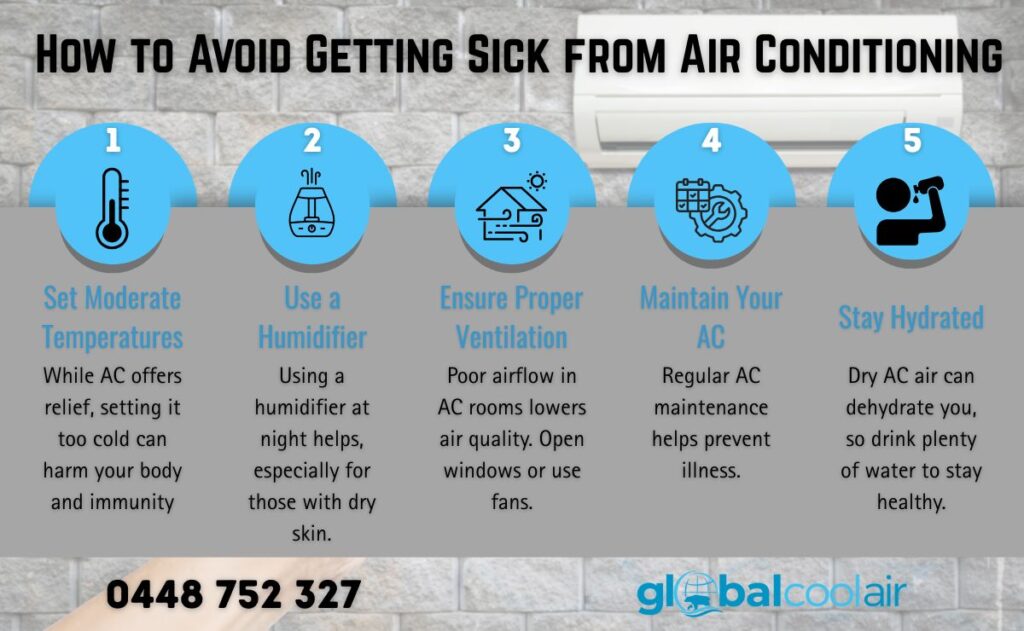
Do you often feel sneezing, itching, or a runny nose whenever you turn on your air conditioner? You might be dealing with an air conditioner allergy without even realizing it.
This hidden problem can make your home or office uncomfortable and affect your health. But don’t worry—there are simple steps you can take to protect yourself and breathe easier. Keep reading to discover how you can avoid air conditioner allergy and enjoy cool, clean air all year round.

Credit: acs-installations.co.uk
Causes Of Air Conditioner Allergy
Common allergensin air conditioner systems include dust, mold, pollen, and pet dander. These tiny particles often get trapped in filters and ducts.
How AC circulates allergens:The air conditioner pulls indoor and outdoor air inside. It cools and blows the air back into the room. If filters or ducts are dirty, allergens spread easily in the air you breathe.
- Dust collects in filters and ducts, then moves around.
- Mold grows in moist parts of the AC system.
- Pollen can enter from outside air.
- Pet dander sticks to surfaces and floats in air.

Credit: www.arizonabreathefree.com
Symptoms Of Air Conditioner Allergy
Respiratory signsinclude sneezing, coughing, and a runny nose. Breathing may feel hard or wheezy. These symptoms happen when the air conditioner spreads dust or mold.
Skin reactionsshow as redness, itching, or small bumps. The skin might feel dry or irritated. This happens when allergens contact the skin or the air is too cold and dry.
Eye irritationscause redness, watering, and itching. Eyes may feel tired or sore. Dust and dry air from the air conditioner can cause these problems.
Maintaining Clean Ac Units
Regularly changing the air filterkeeps dust and allergens out. A clogged filter makes the AC work harder and spread dirt inside. Replace filters every 1 to 3 months for best results.
Professional AC cleaninghelps remove deep dirt and mold. Experts can clean areas that are hard to reach. Schedule a cleaning once or twice a year to keep the air fresh.
Cleaning air ventsstops dust from building up. Dust in vents can cause allergies and poor air flow. Use a vacuum or a damp cloth to clean vents every few months.
Improving Indoor Air Quality
Air purifiershelp remove dust, pollen, and other allergens. Choose models with HEPA filtersfor best results. Place purifiers near your AC or in rooms you use most.
Humidityaffects allergy symptoms. Keep indoor humidity between 30% and 50%. Use a dehumidifierin damp areas to stop mold and dust mites from growing.
- Open windows for fresh air when weather is good.
- Use exhaust fans in kitchens and bathrooms to reduce moisture.
- Keep vents clean to allow proper airflow.
Lifestyle Changes To Reduce Allergy
Limiting air conditioner use helps reduce exposure to dust and mold. Try to keep AC on only when needed. Open windows for fresh air whenever possible. This allows natural air flow and lowers allergens inside.
Wearing protective gear like masks can block dust and pollen. Use lightweight masks if you spend time near the AC vents. Gloves help when cleaning filters to avoid skin contact with allergens.
| Action | Benefit |
|---|---|
| Seal windows and doors | Prevents outside allergens from entering |
| Use HEPA filters | Traps tiny particles in the air |
| Regular cleaning | Removes dust and mold buildup |

Credit: a-abel.com
When To See A Doctor
Severe symptomsof air conditioner allergy include difficulty breathing, swelling, and chest pain. Seek medical help quickly if these occur. Persistent coughing, wheezing, or skin rashes also need doctor’s advice. Early treatment helps avoid serious problems.
Treatment options vary by symptom severity. Doctors may suggest:
- Antihistamines to reduce allergy reactions
- Decongestants to ease nasal stuffiness
- Inhalers for breathing issues
- Skin creams for rashes
Keeping air conditioners clean reduces allergens. Follow doctor’s advice for best results.
| Allergy Testing Option | Description |
|---|---|
| Skin Prick Test | Small allergen drops on skin to check reactions |
| Blood Test | Measures allergy antibodies in blood |
| Patch Test | Checks for delayed skin reactions over days |
Testing helps find exact allergens. This guides proper treatment.
Frequently Asked Questions
What Causes Air Conditioner Allergy Symptoms?
Air conditioner allergy symptoms are caused by dust, mold, and bacteria in the AC unit. Poor maintenance leads to allergen buildup. These allergens circulate in the air, triggering allergic reactions like sneezing, coughing, and itchy eyes.
How Can I Prevent Allergies From My Air Conditioner?
Regularly clean and replace AC filters to reduce allergens. Schedule professional maintenance to remove mold and dust. Use a dehumidifier to control moisture and prevent mold growth inside the unit.
Are Air Conditioner Filters Effective Against Allergens?
Yes, high-quality HEPA or electrostatic filters can trap dust, pollen, and mold spores. Replacing filters regularly ensures better air quality and reduces allergy symptoms caused by air conditioners.
Can Air Conditioner Allergy Be Treated At Home?
Yes, you can reduce symptoms by cleaning AC units, using air purifiers, and maintaining good indoor ventilation. Over-the-counter antihistamines can help, but consult a doctor for persistent or severe allergies.
Conclusion
Keeping your air conditioner clean helps reduce allergy risks. Change filters regularly for better air quality. Use a dehumidifier to lower moisture and prevent mold. Keep rooms ventilated to bring in fresh air. Small steps make a big difference in comfort.
Stay aware of allergy signs and act quickly. Enjoy cool air without the sneezing and itching. Your health matters, so take care of your AC. Breathe easy all summer long with simple habits.