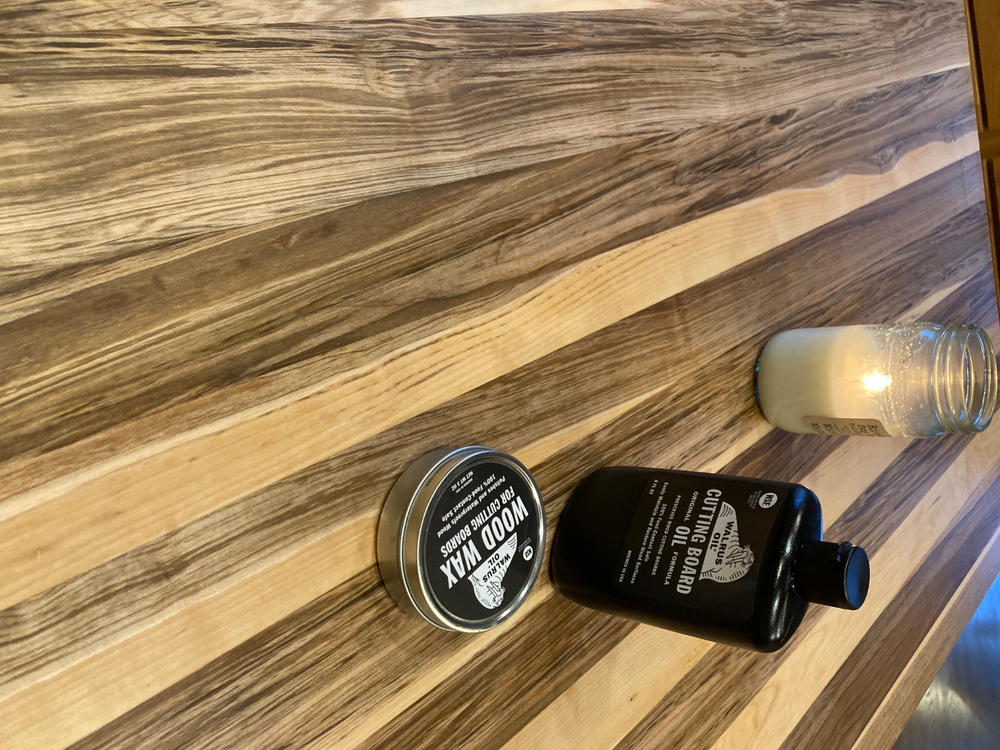
Have you ever wondered if the oil you use on your cutting board can go bad? You want your board to stay fresh, clean, and safe for food prep, but what if that trusty bottle of cutting board oil has expired?
Using old or spoiled oil might do more harm than good, affecting the look and hygiene of your board. You’ll discover how to tell if your cutting board oil is still good, why it matters, and what you should do to keep your kitchen tools in top shape.
Keep reading to protect your cutting board—and your health.
Shelf Life Of Cutting Board Oil
Cutting board oil helps protect and maintain wood surfaces. Knowing its shelf life keeps your boards safe and in good shape.
Like most oils, cutting board oil can expire over time. Using old oil may reduce its effectiveness.
Factors Affecting Oil Longevity
Several things affect how long cutting board oil lasts. These include storage, type of oil, and exposure to air.
- Storage Conditions:Keep oil in a cool, dark place to slow down spoilage.
- Type of Oil:Natural oils like mineral oil last longer than vegetable oils.
- Exposure to Air:Frequent opening lets air in, speeding up oxidation.
- Container Quality:Airtight containers help extend shelf life.
Signs Of Expired Oil
Expired cutting board oil may smell bad or look cloudy. It can also lose its ability to soak into wood.
| Sign | What It Means |
| Rancid Smell | The oil has gone bad and should not be used. |
| Cloudy Appearance | Indicates spoilage or contamination. |
| Thick or Sticky Texture | Oil has degraded and will not absorb well. |
| Change in Color | Shows oxidation or mixing with other substances. |

Credit: www.scotsmanusa.com
Types Of Cutting Board Oils
Cutting board oils help keep wood boards in good shape. They protect the wood from drying out and cracking. Choosing the right oil keeps your board safe and clean.
There are different types of oils for cutting boards. Each type has its own benefits and uses. Understanding these oils helps you pick the best one for your board.
Mineral Oil
Mineral oil is a popular choice for cutting boards. It is clear, odorless, and safe for food contact. This oil soaks into the wood to protect it from moisture.
- Non-toxic and food safe
- Does not go rancid
- Easy to apply and absorb
- Needs frequent reapplication
Natural Oils
Natural oils come from plants and nuts. Common types include coconut oil, walnut oil, and linseed oil. They add a natural shine and nourish the wood.
| Oil Type | Source | Notes |
| Coconut Oil | Coconut fruit | May go rancid if not refined |
| Walnut Oil | Walnut nuts | Food safe but can cause allergies |
| Linseed Oil | Flax seeds | Use only food-grade versions |
Blended Oils
Blended oils mix mineral and natural oils. They combine the strengths of both types. This mix helps protect and beautify cutting boards.
- Balanced protection and moisture
- Less likely to go rancid
- Easy to apply and maintain
- Often includes beeswax or other natural waxes
Storage Tips For Cutting Board Oil
Cutting board oil can last a long time if stored properly. Storing it in the right way keeps it fresh and effective. This guide helps you store your cutting board oil safely.
Good storage protects the oil from going bad or losing quality. Follow these tips to extend the life of your cutting board oil.
Ideal Temperature And Environment
Keep cutting board oil in a cool, dark place. Heat and light can cause the oil to spoil faster. Avoid places that get hot or humid.
- Store the oil away from direct sunlight
- Keep it in a room with stable temperature, around 60-70°F (15-21°C)
- Avoid storing near heat sources like ovens or heaters
- Choose a dry place to prevent moisture contamination
Proper Container Use
Use the right container to keep cutting board oil fresh. A good container stops air and dirt from getting inside.
| Container Type | Why It Works |
| Dark glass bottle | Blocks light and keeps oil fresh longer |
| Tightly sealed lid | Prevents air from spoiling the oil |
| Clean container | Stops dirt and germs from contaminating oil |

Credit: www.reddit.com
Impact Of Expired Oil On Cutting Boards
Cutting board oil protects wood from damage and keeps it healthy. Using expired oil may reduce this protection. It is important to know what happens when oil goes bad.
This article looks at how expired oil affects wood protection and health safety. Learn why fresh oil matters for your cutting board.
Effect On Wood Protection
Expired oil loses its ability to seal and nourish wood fibers. This can cause several problems for your cutting board.
- The wood may dry out and crack more easily.
- Old oil can become sticky or gummy on the surface.
- It may attract dirt and grime instead of repelling it.
- Expired oil does not prevent water damage well.
- The board’s lifespan can shorten due to poor maintenance.
Potential Health Concerns
Using expired oil on cutting boards can pose health risks. This is because the oil may change chemically over time.
| Risk Type | Description |
| Rancidity | Expired oil may smell and taste bad, indicating spoilage. |
| Bacterial Growth | Old oil can harbor bacteria that survive on the board. |
| Contamination | Impurities in old oil may transfer to food during cutting. |
How To Refresh Or Replace Cutting Board Oil
Cutting board oil keeps your wooden board strong and safe. Over time, the oil can dry out or get old. You need to know when to add new oil or replace the old one.
This guide will help you spot signs that your cutting board needs oil and how to choose the best fresh oil.
Signs To Reapply Oil
Your cutting board shows clear signs when it needs more oil. Paying attention to these signs helps protect the wood and keep it looking good.
- The board looks dry or dull on the surface.
- Water no longer beads up but soaks into the wood.
- Small cracks or rough spots appear on the board.
- The board feels rough or uneven to touch.
- Food stains or odors do not wash away easily.
Reapplying oil when you notice these signs keeps the wood sealed and safe for food use.
Choosing Fresh Oil
Using fresh oil is important to protect your cutting board well. Old or expired oil can spoil and harm the wood instead.
| Type of Oil | Good For | Notes |
| Mineral Oil | Most cutting boards | Food safe, clear, easy to apply |
| Beeswax Blend | Extra protection | Seals better but may need warm application |
| Coconut Oil | Natural option | Can go rancid, use refined type |
| Walnut Oil | Natural option | May cause allergies, dries well |
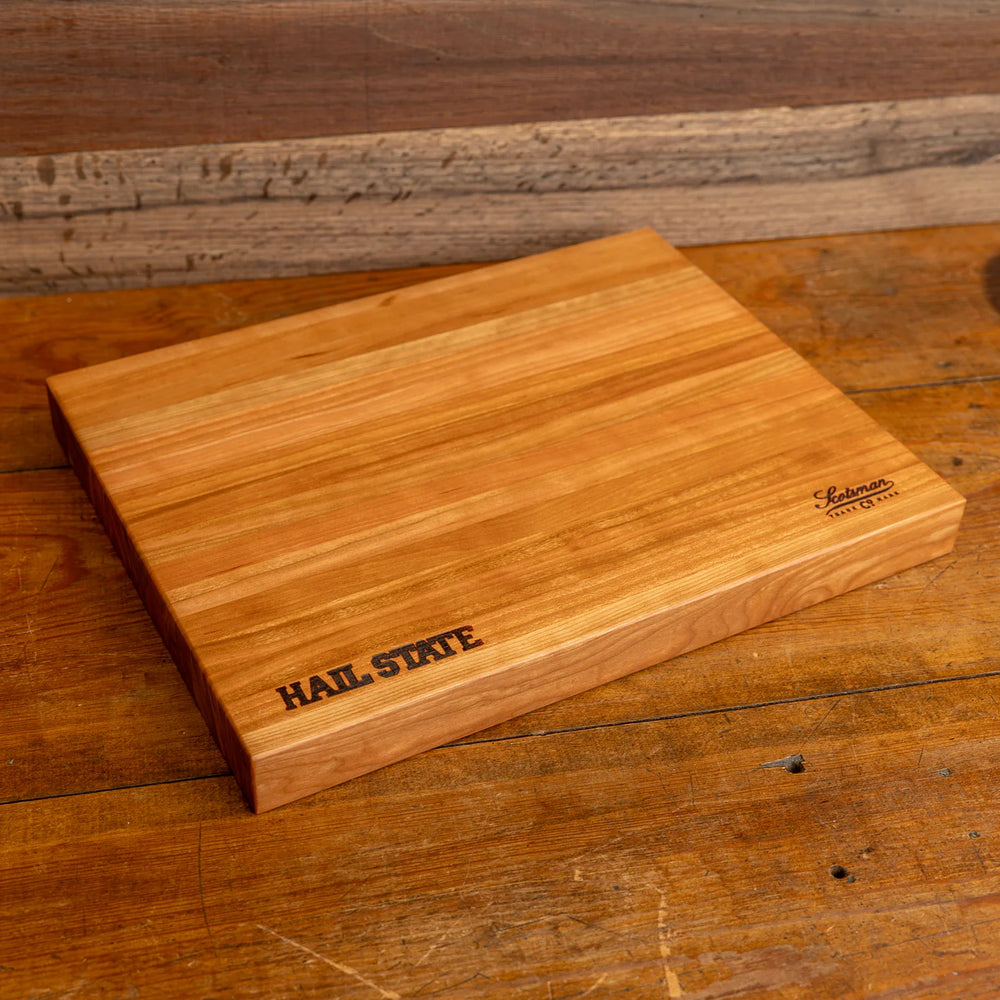
Always check the oil label for expiry dates. Store oil in a cool, dark place to keep it fresh longer.
Credit: www.scotsmanusa.com
Frequently Asked Questions
Does Cutting Board Oil Have An Expiration Date?
Yes, cutting board oil typically expires within 1 to 3 years. Over time, it can become rancid or lose effectiveness.
How To Tell If Cutting Board Oil Is Expired?
Expired cutting board oil may smell rancid or have a sticky texture. If it looks cloudy or separated, it’s best to discard it.
Can Expired Cutting Board Oil Harm Wood Boards?
Using expired oil won’t harm the board but won’t protect it well. Fresh oil better maintains and seals the wood surface.
How Should I Store Cutting Board Oil?
Store oil in a cool, dark place with a tightly sealed lid. Proper storage extends its shelf life and keeps it fresh.
Conclusion
Cutting board oil can go bad over time. It loses its effectiveness and may smell off. Store it in a cool, dry place to last longer. Always check the oil before use. Applying fresh oil keeps your cutting board safe and strong.
Regular care helps prevent cracks and stains. Use the oil before it expires for best results. Simple steps protect your kitchen tools well. Keep your cutting board in top shape with proper oil care.