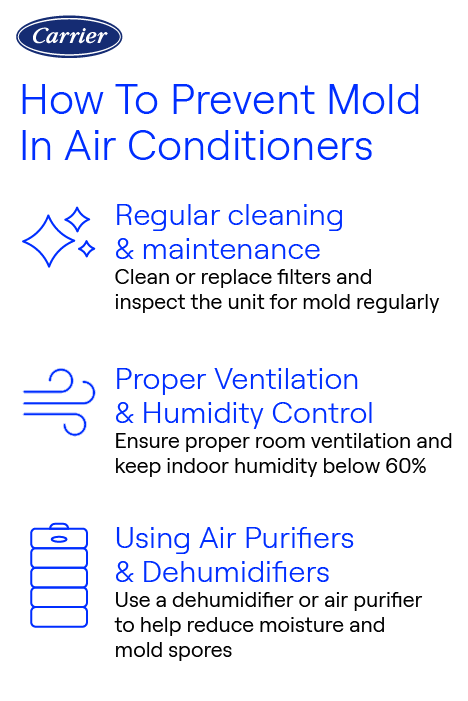
Mold in your air conditioner is more than just an unpleasant sight or smell—it can harm your health and damage your home. If you want to keep your air clean and your family safe, knowing how to prevent mold in your air conditioner is a must.
You’ll discover simple, effective steps that you can take right now to stop mold before it starts. Don’t wait until it’s too late—your comfort and well-being depend on it. Keep reading to find out how easy it is to protect your air conditioner and breathe fresher air every day.
Causes Of Mold In Ac Units
Moisture buildupin air conditioners creates a perfect place for mold to grow. Water collects inside the unit, especially if the drain is blocked or slow. This wet environment lets mold spores multiply quickly.
Poor ventilationstops air from moving well around the AC unit. Stale air and trapped humidity add to the moisture problem. Without fresh air, mold finds it easy to thrive.
Dirty filters and coilscatch dust and dirt. These dirty parts hold moisture and block airflow. Mold loves these spots because they stay damp and dark.
Signs Of Mold Growth
Musty odoris a clear sign of mold growth inside the air conditioner. It smells damp and unpleasant. This smell often spreads through the air vents.
Reduced airflowhappens because mold blocks the air passages. The air conditioner may feel weaker and less effective.
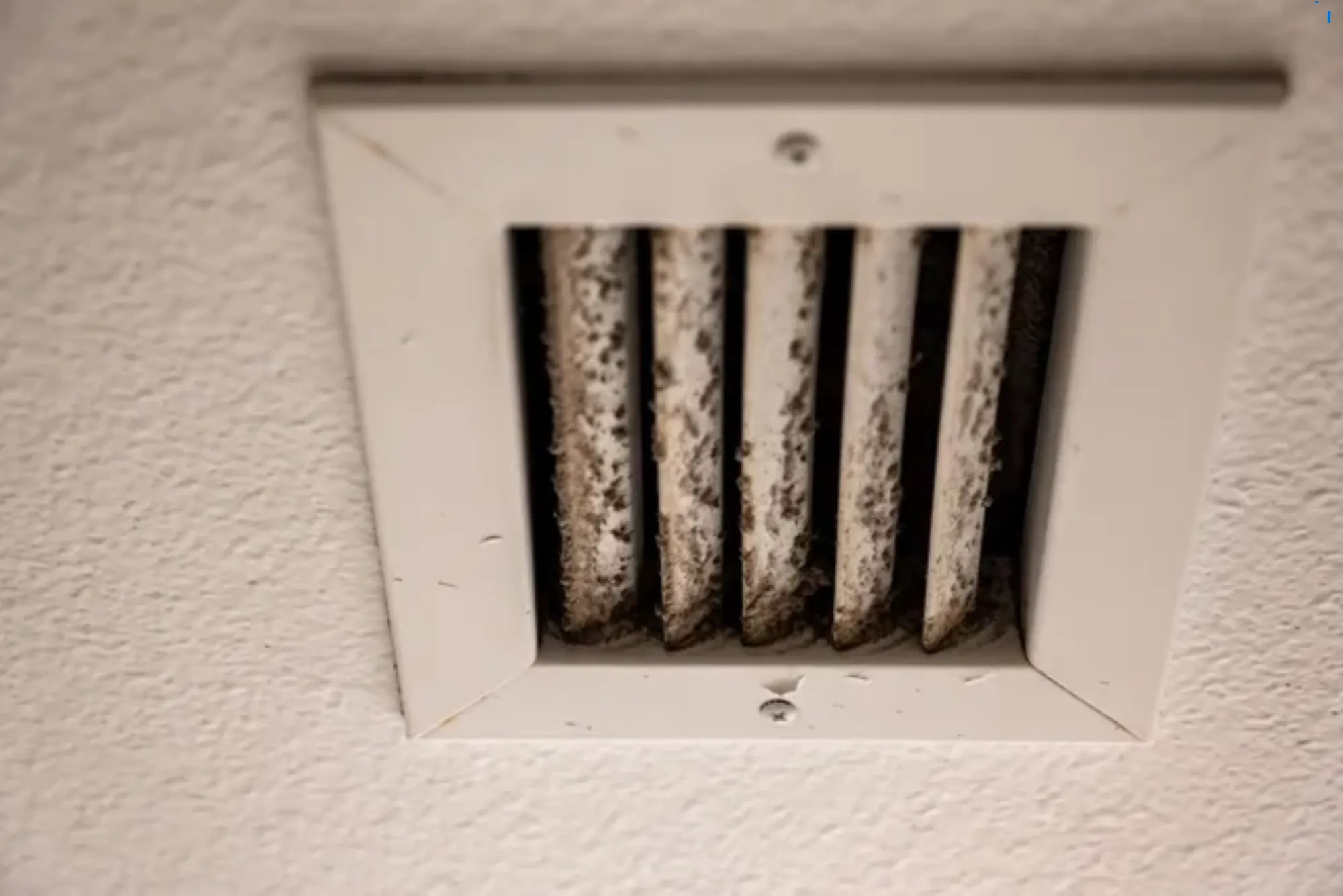
Visible mold spotscan appear on air filters, vents, or inside the unit. These spots look like black, green, or white patches. They show mold is growing and spreading.
Regular Cleaning Practices
Cleaning or replacing filtersoften helps keep mold away. Dirty filters trap dust and moisture. This creates a perfect place for mold to grow. Check filters every month. Change or clean them as needed. Clean filters improve air flow and air quality.
Washing coils and drip pansremoves dirt and moisture buildup. Use a soft brush or cloth for coils. For drip pans, pour some mild detergent and water. Rinse well to prevent mold growth. Wet coils and pans can cause bad smells and poor cooling.
Clearing drain linesprevents water from backing up. Use a small brush or a pipe cleaner to clear blockages. You can also flush the drain line with a vinegar and water mix. This stops mold from growing inside the pipes and keeps water flowing freely.

Credit: health.yahoo.com
Controlling Moisture Levels
Dehumidifiershelp lower moisture in the air. This stops mold from growing inside the air conditioner. They keep the air dry and comfortable.
Proper drainageprevents water from building up. Make sure the drainage pipe is clear and working well. Water should flow out without any blockages.
Sealing air leaksstops moist air from entering your home. Check windows, doors, and vents for gaps. Use weather stripping or caulk to seal these leaks. This keeps the air dry and fresh.
Improving Airflow And Ventilation
Keep vents cleanand unblockedto help air flow freely. Blocked vents trap moisture and cause mold growth. Dust and debris also reduce airflow, so regular cleaning is key.
Exhaust fans remove wetair from rooms like bathrooms and kitchens. This helps lower humidity and stops mold from forming. Turn fans on during and after showers or cooking.
Good air circulation spreads air evenly. Use fans and open windows to keep air moving. This reduces damp spots where mold can grow. Circulating air also dries wet surfaces faster.
Credit: mhasnainrepair.com
Professional Maintenance Tips
Regular inspections help find mold before it spreads. Professionals check all AC parts for dirt and water. They clean drains and filters to stop mold growth. Scheduling these checks twice a year keeps your AC fresh and safe.
Experts in mold removal use special tools and safe cleaners. They remove mold fully and prevent it from coming back. Hiring them ensures your AC stays healthy and works well.
| Upgrade | Benefit |
|---|---|
| Better filters | Trap more dust and moisture |
| Anti-mold coatings | Stop mold from growing on surfaces |
| Improved drainage | Remove water faster, reduce dampness |

Credit: www.cardinalplumbingva.com
Frequently Asked Questions
How Often Should I Clean My Air Conditioner To Prevent Mold?
Clean your air conditioner at least once every three months. Regular cleaning removes dirt and moisture that encourage mold growth. Use a vacuum or brush to clean filters and coils. This simple step keeps your AC efficient and mold-free.
What Causes Mold Growth In Air Conditioners?
Mold grows in air conditioners due to moisture buildup, dirt, and poor ventilation. When moisture accumulates on coils or inside ducts, mold spores thrive. Lack of regular cleaning and maintenance worsens the problem. Controlling moisture is key to preventing mold.
Can Using A Dehumidifier Help Prevent Ac Mold?
Yes, a dehumidifier reduces indoor humidity, limiting mold growth in AC units. Lower humidity levels keep moisture from settling inside the system. This makes the environment less favorable for mold spores to develop. It’s an effective preventive measure.
Is Professional Ac Maintenance Necessary To Stop Mold?
Professional maintenance is recommended to thoroughly clean and inspect your AC. Experts can identify hidden mold and fix drainage or ventilation issues. Regular professional checkups ensure your system stays mold-free and runs efficiently, improving air quality and comfort.
Conclusion
Preventing mold in your air conditioner keeps your home fresh and healthy. Clean and dry parts stop mold from growing. Regular checks help catch problems early. Use filters that trap dust and moisture. Keep the area around the unit dry and ventilated.
Small efforts save money on repairs and improve air quality. Stay consistent with maintenance to avoid mold issues. Clear air feels better and protects your family’s health. Simple steps make a big difference over time. Take care of your air conditioner for a cleaner, safer home.