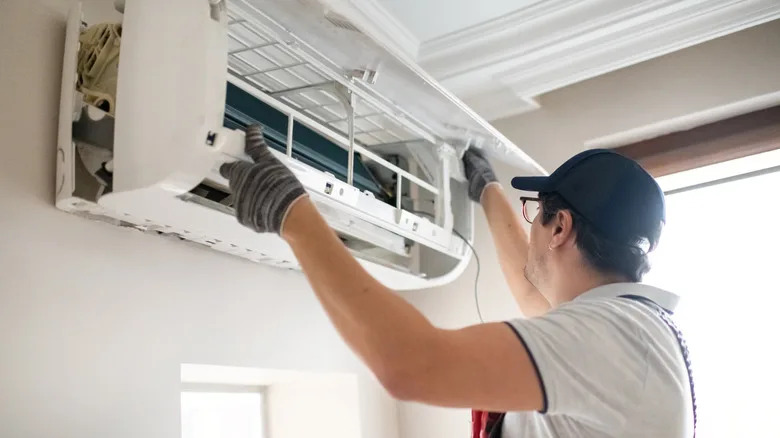
Is your air conditioner acting up right when you need it most? You might be wondering, does your landlord have to fix the air conditioner?
This question can feel frustrating, especially when the heat is unbearable. Understanding your rights and what your landlord is responsible for can save you time, money, and stress. Keep reading to find out exactly what you can expect—and what steps you can take if your cooling system isn’t working properly.
Don’t suffer in the heat; get the answers you need now.
Credit: tenantlawguide.com
Landlord’s Repair Responsibilities
Landlordsusually must fix air conditioners if they are part of the rental property. This duty depends on legal rules, the lease agreement, and local housing codes. Many states say landlords must keep rental units safeand livable. This often includes fixing heating and cooling systems.
The lease agreementmay list who pays for repairs. Sometimes tenants pay minor repair costs. Big repairs often fall on landlords. Tenants should check their lease for details.
| Factor | Description |
|---|---|
| Legal Requirements | Landlords must keep the property safe and habitable. |
| Lease Agreement Clauses | Shows who handles and pays for repairs. |
| Local Housing Codes | Set minimum standards for rental property conditions. |

Credit: bmgatlanta.com
Tenant’s Role In Maintenance
Tenants should perform routine carelike cleaning air filters regularly. This helps the air conditioner run smoothlyand saves energy. Small tasks like keeping vents clear also matter.
Reporting issues quickly is important. Tenants must inform the landlord when the AC shows signs of trouble, such as strange noises or poor cooling. Early reports can prevent bigger problems.
Some repairs become the tenant’s duty. For example, damages caused by tenant negligence or misuse usually need fixing by the tenant. Landlords typically handle major repairsdue to wear and tear.
When Air Conditioner Repairs Are Mandatory
Health and safety concernsmake air conditioner repairs necessary. If the unit causes poor air qualityor risk of fire, landlords must fix it fast. Mold growth or leaking refrigerant can harm tenants’ health.
Essential serviceslike heating or cooling must be maintained by landlords. Air conditioning is often part of this, especially in hot climates. Failure to repair can lead to legal issuesand tenant complaints.
| Type of Repair | Expected Timeline | Notes |
|---|---|---|
| Emergency (health/safety) | Within 24-48 hours | Immediate action required |
| Essential service repair | Within 3-7 days | Must be completed promptly |
| Non-urgent repair | Up to 30 days | Depends on lease terms |
Common Repair Scenarios
Broken compressorstops the air conditioner from cooling. This part is costly to fix. Landlords usually handle this repair because it affects the whole system.
Leaking refrigerantcauses poor cooling and can harm the environment. Fixing leaks often needs a professional. Landlords should repair this quickly to keep the AC working well.
Electrical problemsinclude faulty wiring or a broken thermostat. These issues can stop the AC or make it unsafe. Landlords are responsible for fixing electrical faults to ensure safety and function.
Handling Repair Disputes
Clear and polite communicationhelps solve repair problems faster. Tenants should explain the issueclearly to landlords. Landlords must respond quickly and offer solutions. Keeping written recordsof all talks helps if disagreements happen later.
Mediation can help if talks stall. A neutral third partylistens to both sides. They help find a fair solution without going to court. Mediation is usually faster and less costly.
| Legal Actions | Details |
|---|---|
| Tenant Rights | Tenants may ask courts to force repairs if landlords refuse. |
| Landlord Responsibilities | Law may require landlords to fix major issues like air conditioning. |
| Filing Complaints | Local housing agencies can be contacted for help or inspections. |
Preventive Measures For Air Conditioners
Regular inspections help catch small problems early. This keeps the air conditionerworking well. Checking parts like coils and fans avoids bigger repairs later. Inspections should happen at least once a year.
Filter replacement is key to clean air and good airflow. Dirty filters make the system work harder and use more energy. Filters should be changed every 1 to 3 months depending on use.
Seasonal maintenance prepares the air conditioner for hot or cold weather. This includes cleaning, checking refrigerant levels, and testing the thermostat. Proper care extends the life of the unitand keeps it efficient.
Cost Implications For Repairs
Landlordsusually pay for major air conditioner repairs. Tenantsmight cover small fixes like changing filters or replacing batteries. Rental agreements often explain who pays for what. Checking your lease helps avoid confusion.
Security depositscannot be used for regular maintenance. They cover damages beyond normal wear and tear. If the air conditioner breaks due to tenant damage, the landlord may use the deposit to fix it.
| Cost Responsibility | Details |
|---|---|
| Landlord | Major repairs and system replacements |
| Tenant | Small maintenance, like filter changes |
| Security Deposit | Damage caused by tenant, not normal wear |
Some landlords have insurancethat covers big repairs. Tenants should check if insurance applies to air conditioner damage. This can reduce out-of-pocket costs for landlords.

Credit: www.youtube.com
Frequently Asked Questions
Does The Landlord Have To Repair The Air Conditioner?
Yes, landlords must fix air conditioners if included in the rental agreement. It ensures a livable environment and complies with local housing laws.
When Is A Tenant Responsible For Ac Repairs?
Tenants handle AC repairs if damage results from misuse or negligence. Otherwise, landlords usually cover routine maintenance and repairs.
Can A Landlord Charge For Air Conditioner Repairs?
Landlords may charge tenants for repairs caused by tenant damage. Routine maintenance and repairs due to normal wear are typically landlord responsibilities.
How Quickly Must Landlords Fix A Broken Air Conditioner?
Landlords should repair air conditioners promptly, usually within a few days. Delays may violate health and safety codes, impacting tenant comfort.
Conclusion
Landlords usually must fix air conditioners to keep homes livable. Tenants should check their lease for repair rules. Prompt repairs help avoid big problems later on. Clear communication between tenants and landlords works best. Knowing your rights protects you from unfair situations.
Stay informed and keep records of repair requests. A working air conditioner matters, especially in hot weather. Everyone benefits from a cool, comfortable home.