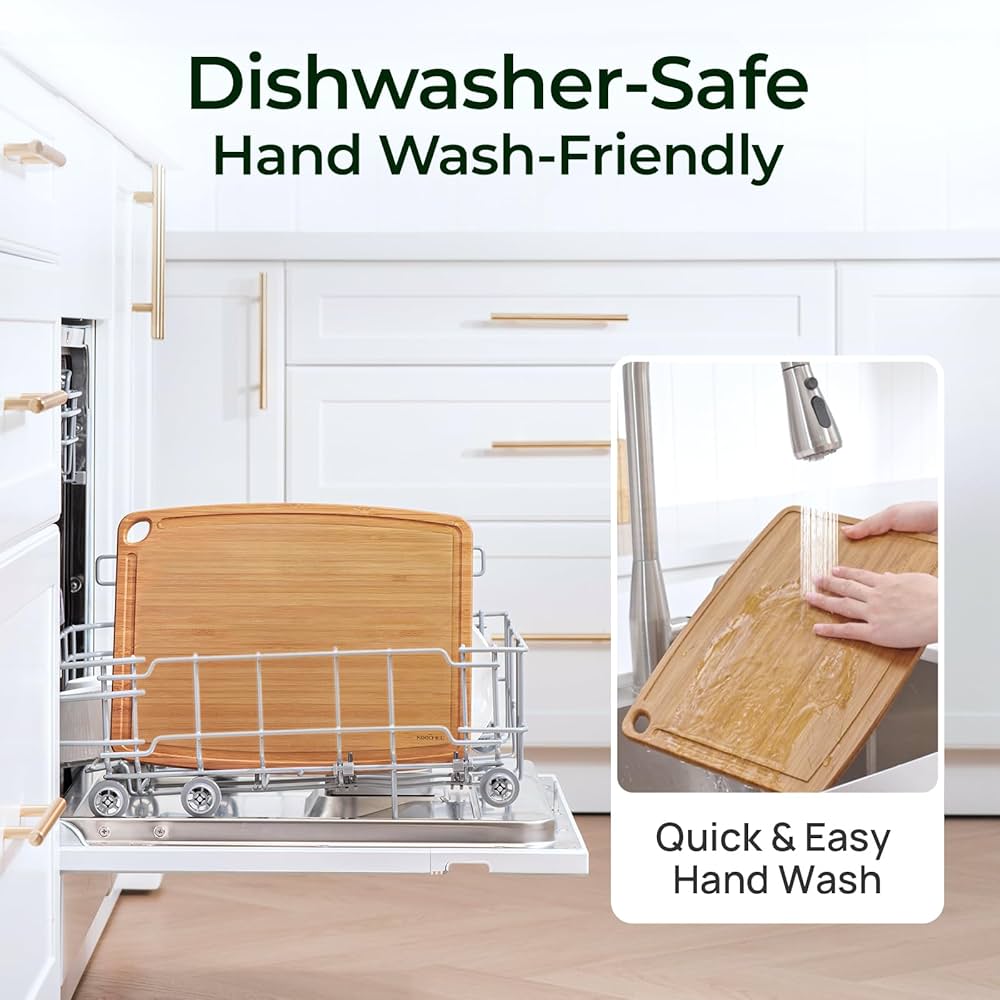
Are you wondering if you can simply toss your wooden cutting board into the dishwasher for a quick clean? It’s a common question because convenience matters, especially in a busy kitchen.
But before you load it up, there are important things you need to know to keep your board safe and long-lasting. If you want to avoid ruining your favorite kitchen tool and keep it hygienic, keep reading—this article will give you clear answers and smart tips you won’t want to miss.
Dishwasher Impact On Wood
Wooden cutting boards are common in kitchens. Many wonder if dishwashers are safe for them.
Dishwashers use heat and water to clean. These can affect the wood in different ways.
Heat And Moisture Effects
Dishwashers use hot water and steam to clean items. This heat can dry out wooden boards fast.
Wood absorbs water, then dries quickly in the dishwasher. This cycle makes the wood swell and shrink.
- Heat removes natural oils from wood
- Moisture causes wood fibers to expand
- Rapid drying can weaken the wood’s structure
Warping And Cracking Risks
Wood changes shape when exposed to water and heat. This can cause warping or bending of the board.
Drying too fast or unevenly can create cracks. These cracks harm the board’s strength and safety.
- Warped boards do not lay flat
- Cracks can trap bacteria
- Damaged boards wear out faster
Finish And Seal Damage
Many wooden boards have a finish or seal to protect them. Heat and water in dishwashers can break this layer.
Once the finish is damaged, wood absorbs more water. This speeds up wear and damage to the board.
- Seal damage exposes wood to stains
- Finishes lose shine and smoothness
- Boards become harder to clean safely

Credit: homewithgraceandjoy.com
Wood Types And Durability
Wooden cutting boards come in many types of wood. Their durability depends on the wood type. This affects if you can wash them in the dishwasher.
Some woods hold up better to water and heat. Others absorb too much moisture and can crack or warp.
Hardwood Vs Softwood Boards
Hardwood boards come from trees with dense wood. Softwood boards come from trees with lighter wood.
Hardwoods like maple and walnut are stronger. They resist dents and cuts better than softwoods. Softwoods like pine are softer and can get damaged easily.
- Hardwood boards last longer
- Softwood boards are cheaper but wear out fast
- Hardwoods handle moisture and heat better
- Softwoods can swell and warp with water
End-grain Vs Edge-grain Boards
End-grain boards show the wood’s rings on the surface. Edge-grain boards show the side of the wood strips.
End-grain boards are stronger and last longer. They hide knife marks and are gentler on knives. Edge-grain boards are easier to clean but wear faster.
- End-grain boards resist cuts and scratches
- Edge-grain boards show more knife marks
- End-grain boards absorb more moisture
- Edge-grain boards dry faster
Safe Cleaning Alternatives
Wooden cutting boards need careful cleaning to stay safe and last long. Using a dishwasher can harm the wood. It may crack or warp the board.
There are safe ways to clean wooden cutting boards. These keep the wood strong and remove germs well.
Hand Washing Techniques
Always wash wooden boards by hand with warm water and mild soap. Avoid soaking the board in water. Quick washing helps protect the wood.
Use a soft sponge or cloth to clean the surface. Rinse well and dry the board right away with a clean towel. Stand it up to air dry fully.
Using Natural Cleaners
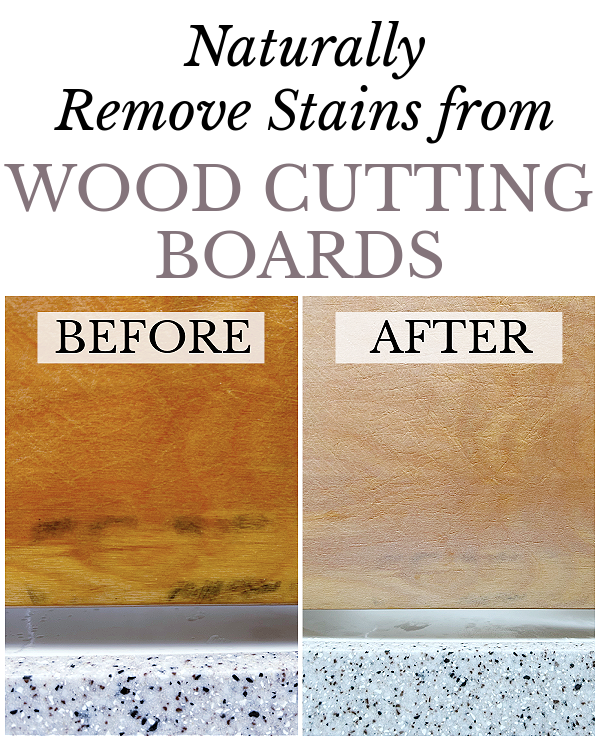
Natural cleaners like vinegar and lemon work well on wooden boards. They remove stains and kill bacteria safely.
- Sprinkle salt on the board to scrub away stains
- Rub half a lemon over the board for fresh smell and cleaning
- Wipe the board with a cloth soaked in white vinegar for disinfecting
These natural methods avoid harsh chemicals that can damage wood or leave residues.
Sanitizing Without Damage
To sanitize wooden cutting boards, use diluted bleach or hydrogen peroxide carefully. These kill germs without harming the wood.
- Mix 1 tablespoon of bleach with 1 gallon of water
- Apply the solution to the board and let it sit for a few minutes
- Rinse thoroughly with water and dry immediately
Do not use hot water or strong chemicals. They can crack or dry out the wood.
Credit: www.walmart.com
Maintenance Tips For Longevity
Wooden cutting boards need care to last a long time. Washing them in the dishwasher can cause damage. Use safe methods to keep your board strong and clean.
Proper maintenance helps prevent cracks and warping. This guide covers oiling, soaking, and drying tips for your wooden board.
Oiling And Conditioning
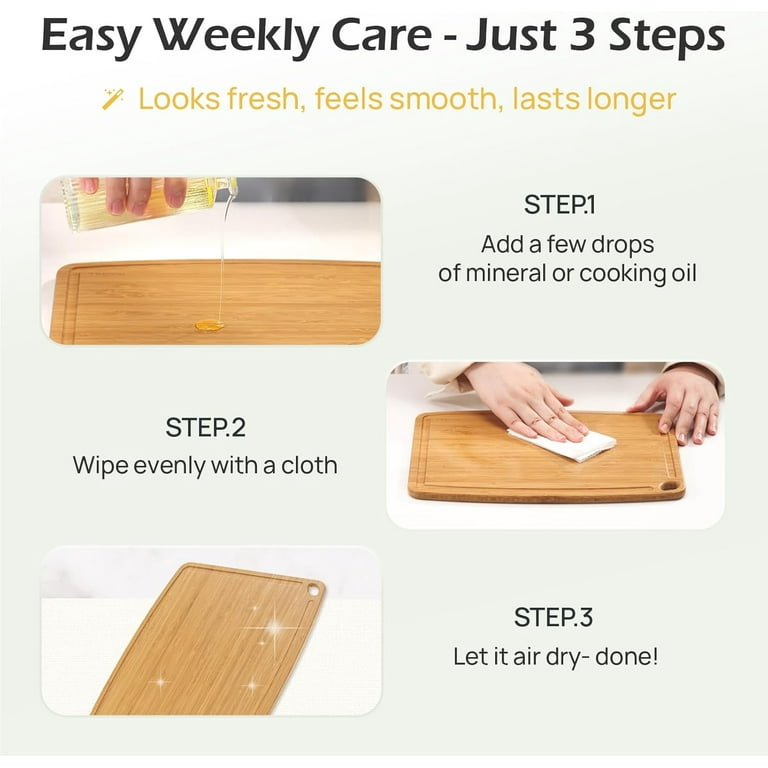
Oiling keeps wood hydrated and prevents it from drying out. Use food-safe mineral oil or beeswax conditioner. Apply oil regularly to protect the surface.
- Clean the board before oiling.
- Pour a small amount of oil on the surface.
- Rub the oil in with a soft cloth.
- Let it soak for a few hours or overnight.
- Wipe off any extra oil with a clean cloth.
Avoiding Prolonged Soaking
Never leave your wooden board soaking in water. Water can seep into the wood and cause swelling or cracking. Quick washing is best.
| Wrong | Right |
| Soaking board in sink for hours | Wash quickly with warm water and soap |
| Leaving board in dishwasher | Hand wash only with mild detergent |
| Using harsh chemicals | Use natural cleaning methods |
Proper Drying Methods
Dry your board right after washing. Air drying is best to avoid moisture build-up inside the wood.
- Use a clean towel to pat dry.
- Stand the board upright to air dry fully.
- Avoid stacking wet boards together.
- Keep away from direct heat or sunlight.
When Dishwasher Use Is Acceptable
Wooden cutting boards need special care to last long. Many people wonder if it is safe to wash them in a dishwasher.
Using a dishwasher can harm some wooden boards. Still, there are times when it is okay to use one.
Manufacturer Guidelines
Always check the instructions from the board maker first. Some brands say their boards are dishwasher safe.
If the manufacturer says yes, you can wash it in the dishwasher. If they say no, avoid using the dishwasher to keep your board safe.
Small Or Treated Boards
Small wooden boards or ones treated with special oils may handle dishwasher washing better. The treatment helps protect the wood.
Still, use caution. Treating your board regularly with oil keeps it strong. This helps it resist water damage from the dishwasher.
- Small boards dry faster in dishwashers
- Treated boards resist cracking and warping
- Untreated large boards may get damaged
Quick Cycles And Low Heat
Using a quick wash cycle with low heat helps protect wooden boards. High heat can cause wood to warp or crack.
Choose dishwasher settings that use less time and lower temperatures. This reduces the risk of damage while cleaning the board.
- Use short wash cycles
- Select low heat drying options
- Remove boards quickly after washing
Credit: www.lemonslavenderandlaundry.com
Frequently Asked Questions
Can Wooden Cutting Boards Go In The Dishwasher?
Wooden cutting boards should not be washed in the dishwasher. The heat and water can cause warping, cracking, and splitting.
Why Is Dishwasher Bad For Wooden Boards?
Dishwashers expose wood to high heat and moisture. This damages the wood fibers and shortens the board’s lifespan.
How To Properly Clean Wooden Cutting Boards?
Hand wash wooden boards with mild soap and warm water. Dry immediately to prevent moisture damage and bacteria growth.
Can Dishwasher Ruin Wooden Cutting Boards’ Finish?
Yes, dishwasher detergents and heat can strip the wood’s natural oils. This leads to dryness and surface cracking.
Conclusion
Wooden cutting boards do not belong in dishwashers. The heat and water damage wood quickly. Hand washing keeps boards strong and long-lasting. Use warm water and mild soap instead. Dry boards immediately to avoid warping. Regular care keeps them safe and clean.
Choose hand washing for your wooden boards. This simple step protects your kitchen tools well. Keep your cutting boards in the best shape. Your wood will thank you.