If you own a wooden cutting board, you know it needs care to stay strong and safe. But do you ever wonder what oil is best to keep your board looking fresh and lasting longer?
Using the wrong oil can damage your cutting board or even make it unsafe for food. You’ll discover the top oils that protect your cutting board, keep it clean, and make it look like new. Keep reading to learn exactly what oil to use and how to apply it for the best results.
Your cutting board will thank you!
Credit: www.homehardware.ca
Types Of Oils For Cutting Boards
Oiling cutting boards keeps them strong and safe. It stops the wood from drying out and cracking. Choosing the right oil helps protect the board and food.
Some oils work better than others. Some dry fast, some stay oily. This guide shows popular oils for cutting boards and their uses.
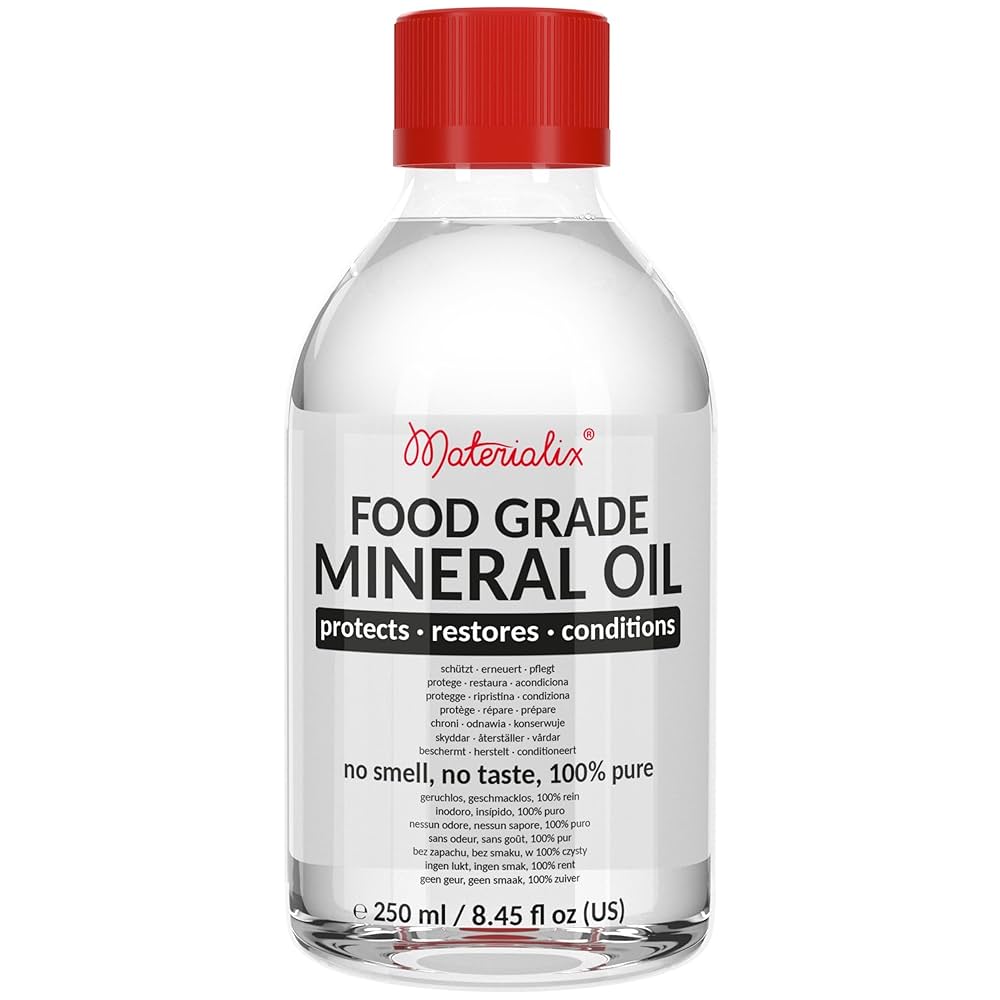
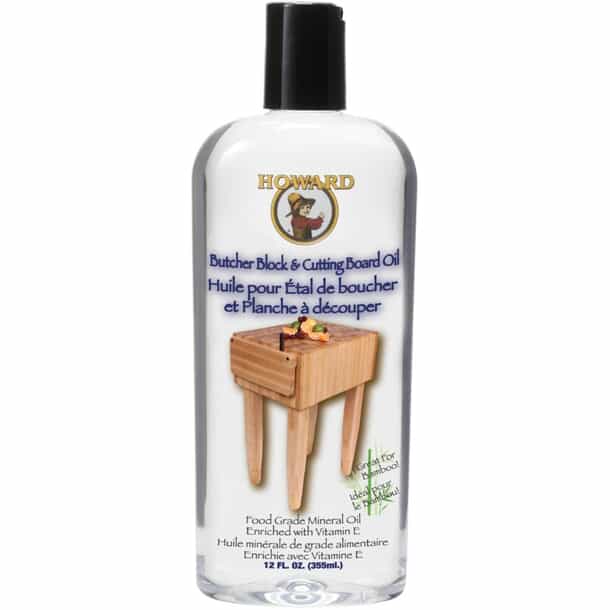
Mineral Oil
Mineral oil is a popular choice for cutting boards. It is clear, odorless, and safe for food contact. It soaks into the wood and keeps it moist. Mineral oil does not go bad or become sticky.
Coconut Oil
Coconut oil is natural and easy to find. It smells pleasant and protects wood well. Make sure to use refined coconut oil. Unrefined oil can turn sticky or go rancid over time.
Walnut Oil
Walnut oil is a drying oil that hardens over time. It gives a nice finish and is safe for food use. People who have nut allergies should avoid this oil. Walnut oil also adds a warm color to the wood.
Beeswax Blends
Beeswax blends mix wax with oils for extra protection. They create a smooth, water-resistant surface. These blends keep boards looking fresh longer than oil alone.
- Beeswax seals the wood pores
- Oils keep the wood hydrated
- Blends are easy to apply and buff
- They add shine and reduce water damage
Other Natural Oils
| Oil | Properties | Notes |
|---|---|---|
| Olive Oil | Natural, smells good | Can go rancid, not recommended |
| Sunflower Oil | Light, easy to apply | May become sticky over time |
| Jojoba Oil | Liquid wax, long-lasting | Expensive but very stable |
| Linseed Oil | Dries hard, protective | Use food-grade only |

Credit: www.amazon.ca
Benefits Of Using The Right Oil
Choosing the right oil for your cutting board keeps it safe and strong. It helps the wood last longer and look better.
Oiling protects the wood from damage and keeps it clean. This makes your cutting board a better tool in the kitchen.
Protection Against Moisture
The right oil stops water from soaking into the wood. This keeps the cutting board dry and safe to use.
Oiled boards do not swell or get soft when wet. This helps the wood keep its shape over time.
Preventing Cracks And Warping
Oiling your cutting board stops it from drying out. Dry wood can crack and bend, ruining the board.
Regular oiling keeps the wood smooth and flat. This makes your cutting board last longer and work better.
Enhancing Wood Appearance
The right oil brings out the wood’s natural color and shine. It makes your cutting board look clean and fresh.
Oiled wood feels smooth to touch. This adds to the beauty and quality of your kitchen tool.
Food Safety Considerations
Use food-safe oils to keep your cutting board safe for cooking. These oils do not harm your food or health.
Some oils can go bad or become sticky. Choose stable oils that protect wood and are safe to eat.
- Mineral oil is a safe and popular choice
- Beeswax mixes add extra protection
- Avoid vegetable oils that can spoil
- Apply oil regularly for best results
Oils To Avoid For Cutting Boards
Choosing the right oil for cutting boards is important for safety and durability. Some oils can cause damage or spoil the wood over time.
This guide explains which oils you should avoid using on cutting boards to keep them safe and long-lasting.
Vegetable And Olive Oils
Vegetable oils and olive oil are common cooking oils but bad for cutting boards. They can go rancid quickly and cause bad smells.
Rancid oils can make the wood sticky and attract bacteria. It is best to avoid these oils for cutting board care.
- Vegetable oils include soybean, corn, and canola oils
- Olive oil may darken the wood and leave a sticky finish
- Both oils can spoil and harm the cutting board over time
Tung And Linseed Oils
Tung and linseed oils are natural oils used for wood finishing. Pure tung oil is safe for cutting boards after curing.
Raw linseed oil is not safe because it can stay sticky and never fully harden. Only use boiled linseed oil if labeled food safe.
- Pure tung oil dries hard and resists water
- Raw linseed oil can remain sticky and attract dirt
- Boiled linseed oil may contain chemicals, so check for food-safe labels
Non-food-safe Oils
Some oils are not made for food contact and can be toxic or harmful. Avoid using mineral spirits or motor oils on cutting boards.
These oils can soak into the wood and contaminate food. Always choose oils labeled safe for kitchen use.
- Mineral oil is safe, but avoid mineral spirits
- Do not use motor oil or machine oils
- Check product labels for food-grade certification
How To Apply Oil To Cutting Boards
Oiling your cutting board keeps the wood healthy. It stops the board from drying out and cracking.
Using the right oil and applying it correctly helps your board last longer and stay safe for food.
Preparation Steps
Clean the cutting board well before oiling. Remove all food debris and dry it completely.
- Wash with warm, soapy water
- Rinse and dry with a clean towel
- Let the board air dry for a few hours
- Sand the surface lightly if rough or stained
Application Techniques
Use a soft cloth or paper towel to apply oil. Spread it evenly over the entire surface.
- Pour a small amount of oil on the board
- Rub oil in circular motions
- Cover all sides, including edges
- Apply extra oil to dry or cracked spots
Drying And Absorption Time
Let the oil soak into the wood to protect it well. This usually takes several hours.
| Time | What to Do |
| 0 – 10 minutes | Apply oil and rub evenly |
| 10 minutes | Wipe off excess oil |
| 4 – 6 hours | Let the board dry flat |
| Overnight | Oil fully absorbed and board ready to use |
Frequency Of Oil Treatment
Regular oiling keeps your board in good shape. The frequency depends on use and climate.
- Oiling once a month for heavy use
- Every 3 months for light use
- More often in dry or hot weather
- Reapply if the wood looks dry or dull
Maintaining Oiled Cutting Boards
Oiling your cutting board keeps it strong and safe for food. Regular care helps prevent cracks and warping. Proper maintenance keeps the wood looking fresh and clean.
Using the right oil and cleaning methods protects the board from damage. This guide covers how to clean, remove stains, and know when to add oil again.
Cleaning Tips
Clean your cutting board after each use to keep it safe. Avoid soaking the board in water or using harsh detergents. Use warm water and mild soap instead.
- Wipe the board with a damp cloth or sponge.
- Use mild dish soap and warm water for cleaning.
- Dry the board immediately with a clean towel.
- Stand the board upright to air dry fully.
- Never put the wooden board in a dishwasher.
Dealing With Stains And Odors
Stains and smells can build up on cutting boards over time. Lemon and salt are natural cleaners that help remove these issues safely.
Follow these steps to clean stains and odors:
- Sprinkle coarse salt over the stained area.
- Rub half a lemon on the salt, squeezing juice as you scrub.
- Let it sit for 5 minutes to lift stains and odors.
- Rinse with warm water and dry the board well.
When To Reapply Oil
Reapplying oil keeps your board protected and strong. Watch for signs that the wood looks dry or pale. Regular oiling stops cracks and warping.
| Sign | What to Do |
|---|---|
| Wood looks dull or dry | Apply a thin layer of food-safe mineral oil |
| Water soaks in quickly | Oil the board to restore water resistance |
| Board feels rough or cracked | Sand lightly then reapply oil |
| After heavy cleaning or washing | Reapply oil to protect the wood |
Choosing The Best Oil For Your Needs
Choosing the right oil for your cutting board helps protect the wood. It also keeps your board looking good and lasting longer.
Different oils have different benefits. Your choice depends on your budget, allergies, and environmental concerns.
Budget Considerations
Oils for cutting boards vary in price. Some are affordable and easy to find. Others cost more but last longer.
- Mineral oil is usually the cheapest option.
- Food-grade walnut oil can cost more but offers good protection.
- Coconut oil is affordable but may need frequent reapplication.
- Beeswax blends are pricier but create a strong finish.
Allergy And Sensitivity Factors
Some oils can cause allergic reactions. It is important to pick one that is safe for you and your family.
| Oil Type | Allergy Risk |
| Mineral Oil | Low risk, hypoallergenic |
| Walnut Oil | High risk for nut allergies |
| Coconut Oil | Low risk, but possible sensitivity |
| Olive Oil | Low risk, common food allergy |
Environmental Impact
Some oils come from sustainable sources. Others may harm the environment during production.
Check these points to reduce environmental harm:
- Choose oils from renewable plants like coconut or olive.
- Avoid petroleum-based mineral oils if possible.
- Look for organic or sustainably farmed oils.
- Use oils that require less processing.

Credit: ca.maisonrodin.com
Frequently Asked Questions
What Is The Best Oil For Cutting Boards?
Food-grade mineral oil is the best choice for cutting boards. It penetrates wood, prevents cracking, and is non-toxic. Avoid vegetable oils as they can go rancid and spoil the board.
Can I Use Olive Oil On Cutting Boards?
No, olive oil is not recommended. It can turn sticky and rancid over time, damaging the wood. Stick to mineral oil or specialized cutting board oils.
How Often Should I Oil My Cutting Board?
Oil your cutting board once a month or when it looks dry. Regular oiling maintains moisture, prevents cracking, and extends the board’s lifespan.
Is Beeswax Safe For Cutting Boards?
Yes, beeswax is safe and often combined with mineral oil. It adds a protective layer, repels water, and enhances the board’s durability and shine.
Conclusion
Choosing the right oil keeps your cutting board safe and strong. Mineral oil is a popular choice because it absorbs well and protects wood. Avoid cooking oils that can turn rancid and smell bad. Regular oiling stops cracks and warping.
Clean your board first, then apply oil evenly. Let it soak in overnight for best results. A well-oiled board lasts longer and stays beautiful. Simple care makes a big difference in your kitchen tools. Your cutting board deserves the best oil to stay fresh and useful.