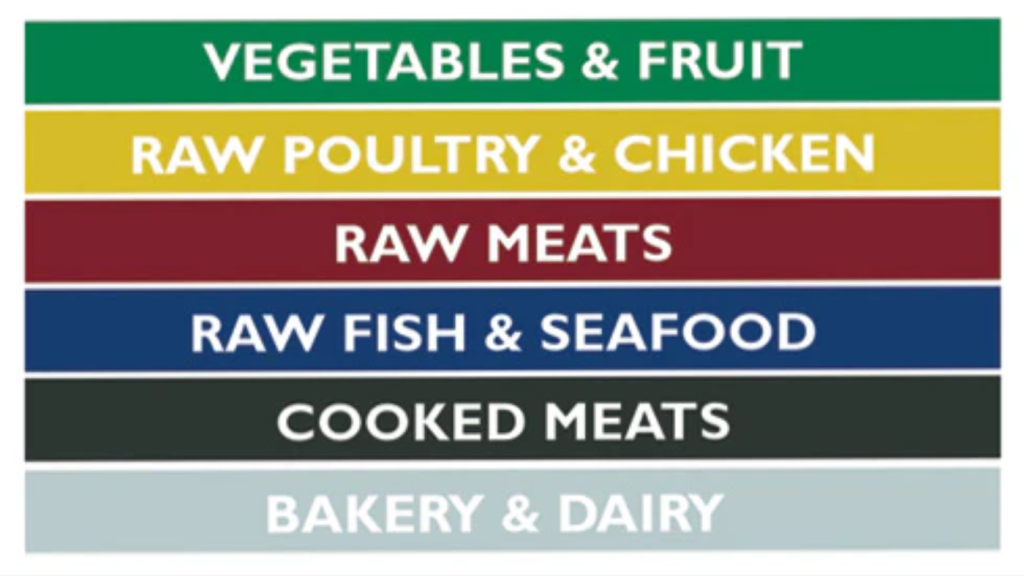
When you’re preparing raw meat, the chopping board you choose isn’t just a kitchen tool—it’s your first line of defense against bacteria and cross-contamination. Using the wrong board can put your health at risk and make cleanup a nightmare.
But with so many options out there, how do you pick the right one for your needs? You’ll discover exactly what to look for in a chopping board for raw meat, so you can cook confidently and keep your kitchen safe.
Keep reading to find the perfect board that works for you.
Choosing The Right Material
Picking the right chopping board for raw meat is important for safety. The material affects cleanliness and durability.
Some materials keep germs away better. Others last longer or are easier to clean. Learn about common options here.
Wood Vs Plastic
Wood boards are sturdy and gentle on knives. Plastic boards are light and easy to sanitize.
- Wood:Natural antibacterial properties but needs careful cleaning.
- Plastic:Dishwasher safe and less porous but can get deep cuts.
- Both need regular replacement if damaged.
Bamboo Benefits
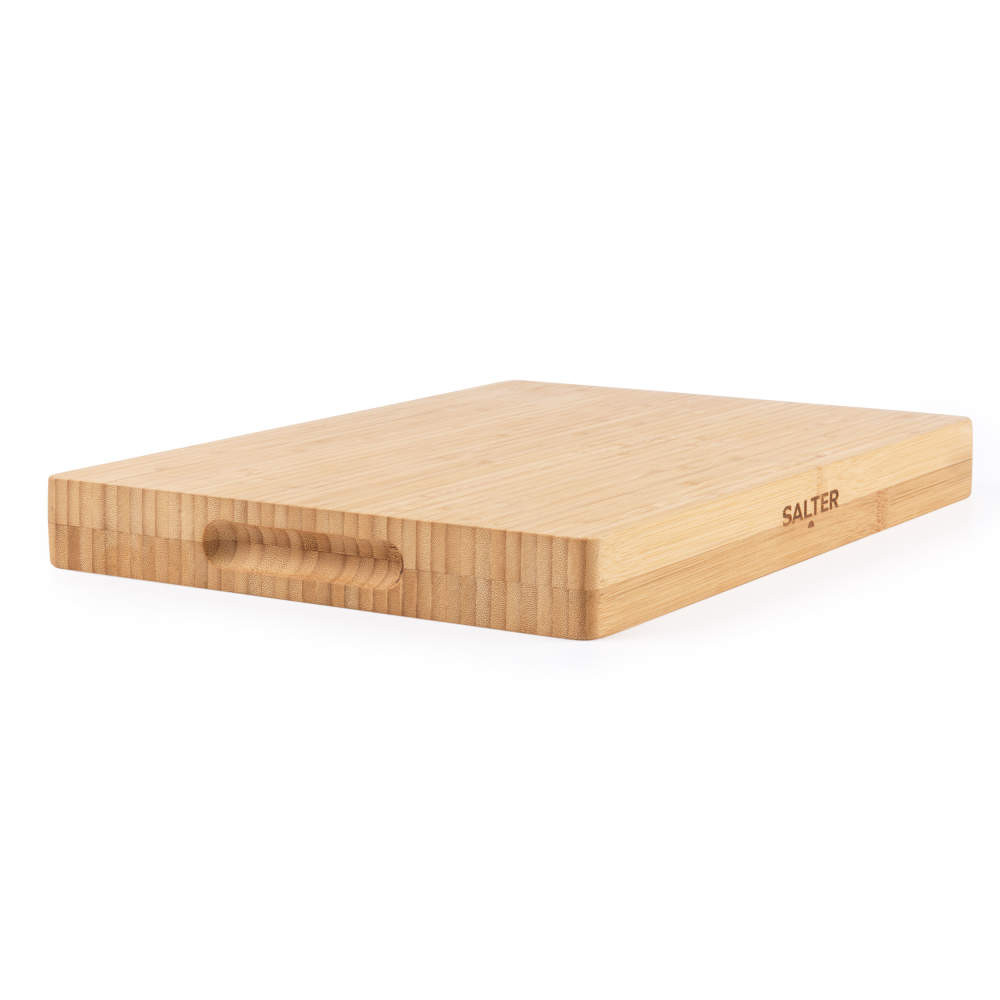
Bamboo is a fast-growing grass that makes strong cutting boards. It is harder than wood but less porous than plastic.
Bamboo boards resist moisture and bacteria better. They are eco-friendly and easy to clean with soap and water.
Glass And Metal Drawbacks
| Material | Pros | Cons |
| Glass | Easy to clean, does not absorb stains | Harsh on knives, slippery surface |
| Metal | Durable and hygienic | Can dull knives quickly, noisy |

Credit: www.amazon.ca
Size And Thickness Considerations
Choosing the right chopping board for raw meat is important. The size and thickness affect safety and ease of use.
This guide explains what dimensions work best and how thickness impacts the board’s durability.
Ideal Dimensions
A good chopping board for raw meat should be large enough to hold the meat without crowding. This helps avoid cross-contamination.
- Minimum size: 12 inches by 18 inches
- Allows enough space for cutting and turning meat
- Prevents juices from spilling over edges
- Choose a size that fits your kitchen counter comfortably
Thickness Impact On Durability
Thicker boards last longer and resist warping. This is important for boards used with raw meat.
| Thickness | Durability | Weight |
| 0.5 inch (12 mm) | Low – may warp or crack | Lightweight |
| 0.75 inch (19 mm) | Medium – good balance | Moderate weight |
| 1 inch (25 mm) or more | High – very sturdy | Heavier, stable on counters |
Hygiene And Safety Features
Choosing the right chopping board for raw meat is important for safety. It helps prevent bacteria from spreading. Clean and safe boards keep your kitchen healthy.
Some features make chopping boards better for raw meat. These include surface type, antibacterial qualities, and how easy they are to clean.
Non-porous Surfaces
Non-porous chopping boards do not absorb liquids or bacteria. This stops germs from hiding inside the board. Plastic and glass are common non-porous materials.
Wood boards can be porous and may trap juices. Using non-porous boards reduces the risk of cross-contamination from raw meat.
Anti-bacterial Properties
Some chopping boards have built-in anti-bacterial features. These help kill or slow the growth of harmful bacteria. This adds an extra layer of safety.
Materials like bamboo or treated plastics often have natural or added anti-bacterial effects. They help keep the board cleaner during use.
- Reduces bacteria growth
- Improves food safety
- Helps prevent illness
Ease Of Cleaning
Chopping boards for raw meat must be easy to clean well. Smooth surfaces clean faster and better. This removes bacteria and meat juices.
Boards that can go in the dishwasher save time and ensure a thorough clean. Avoid boards with cracks or deep grooves where germs hide.
- Dishwasher safe is best
- No cracks or grooves
- Quick drying to prevent bacteria
Credit: salter.com
Maintenance Tips
Keeping your chopping board clean is important for food safety. Proper care helps avoid bacteria growth. You can keep your board in good shape with regular maintenance.
This guide covers cleaning, avoiding cross-contamination, and extending your board’s life. Follow these tips for safe and lasting use.
Cleaning Best Practices
Wash your board right after use to remove raw meat juices. Use hot, soapy water and scrub well. Rinse completely and dry with a clean cloth.
- Use a brush or sponge with dish soap
- Rinse with hot water after washing
- Dry board fully before storing
- Sanitize with a vinegar or bleach solution weekly
- Avoid soaking the board to prevent warping
Preventing Cross-contamination
Use separate boards for raw meat and other foods. This stops bacteria from spreading. Label boards or use different colors to keep them apart.
| Board Type | Use |
|---|---|
| Red or Dark Board | Raw Meat |
| Green Board | Fruits and Vegetables |
| White or Light Board | Cooked Food or Bakery Items |
Longevity And Care
Take care of your board to make it last. Regular oiling helps wooden boards stay strong and dry. Avoid putting boards in the dishwasher.
- Apply food-safe mineral oil monthly to wooden boards
- Store boards upright to air dry
- Sand rough or stained spots gently
- Replace boards with deep cracks or heavy damage
Specialty Boards For Raw Meat
Using the right chopping board for raw meat helps keep your kitchen safe. Specialty boards reduce the risk of cross-contamination.
These boards are made to handle raw meat and make cleaning easier. They also help keep your food fresh and your kitchen clean.
Color-coded Boards
Color-coded boards use different colors for different foods. This stops germs from spreading between raw meat and other foods.
For example, red boards are for raw meat. Green boards are for vegetables. This system helps everyone in the kitchen know which board to use.
- Red: Raw meat
- Blue: Fish and seafood
- Green: Vegetables and fruits
- Yellow: Poultry
- Brown: Cooked foods
Boards With Juice Grooves
Boards with juice grooves catch liquid from raw meat. This keeps your countertop clean and dry.
The grooves stop juices from spilling over. This reduces mess and helps prevent bacteria from spreading.
- Grooves collect meat juices safely
- Prevent liquid spills on counters
- Make cleaning easier and quicker

Credit: www.kimecopak.ca
Budget And Brand Recommendations
Choosing the right chopping board for raw meat is important for safety and durability. You want a board that is easy to clean and lasts long.
This guide shares budget options and top brands to help you pick the best chopping board for raw meat.
Affordable Options
Affordable chopping boards offer good quality without a high price. Many are made from plastic or bamboo, which are safe for raw meat.
Look for boards with non-slip edges and easy cleaning surfaces to avoid bacteria build-up.
- Plastic boards: Lightweight and dishwasher safe.
- Bamboo boards: Natural and durable, but hand wash only.
- Polypropylene boards: Heat resistant and sturdy.
Top-rated Brands
Some brands are well-known for making safe and reliable chopping boards for raw meat. They use quality materials and smart designs.
These brands offer boards that last long and keep meat juices contained.
- OXO: Known for non-slip features and easy cleaning.
- John Boos: Offers heavy-duty wooden and plastic boards.
- Joseph Joseph: Stylish boards with color-coding for hygiene.
- Totally Bamboo: Eco-friendly bamboo boards that resist odors.
Frequently Asked Questions
What Is The Best Chopping Board For Raw Meat?
The best chopping board for raw meat is non-porous, durable, and easy to sanitize. Plastic or bamboo boards are ideal. They prevent bacterial absorption and are dishwasher safe, ensuring food safety and hygiene.
Can Wooden Chopping Boards Be Used For Raw Meat?
Wooden boards can be used but require careful cleaning. They absorb juices more than plastic, risking bacteria growth. Use separate boards for raw meat and sanitize them thoroughly to avoid cross-contamination.
How To Clean A Chopping Board After Cutting Raw Meat?
Clean immediately with hot, soapy water and rinse well. Disinfect with a vinegar or bleach solution. Dry thoroughly to prevent bacteria growth. Avoid soaking wooden boards to maintain durability and hygiene.
Why Avoid Using The Same Board For Raw Meat And Vegetables?
Using the same board risks cross-contamination. Raw meat juices carry harmful bacteria that can transfer to vegetables, causing foodborne illnesses. Always use separate boards or clean thoroughly between uses for safety.
Conclusion
Choosing the right chopping board for raw meat keeps your kitchen safe. It stops germs from spreading to other foods. Plastic boards are easy to clean and sanitize well. Wooden boards can work but need careful washing. Always use separate boards for meat and vegetables.
Replace boards that have deep cuts or cracks. Clean your board right after use to avoid bacteria. This small step protects your health every day. Safe cooking starts with smart choices like these.