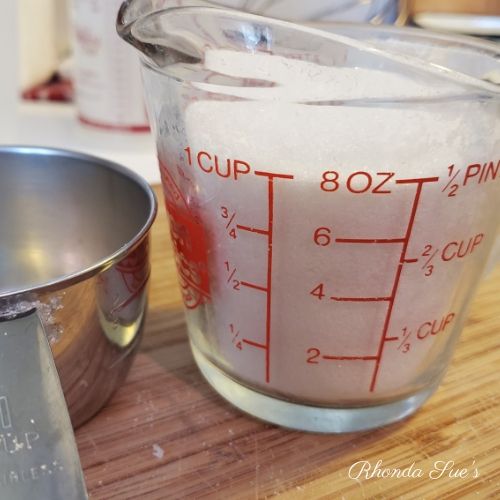
Have you ever started a recipe only to realize you don’t have a measuring cup? It can feel frustrating, right?
But don’t worry—measuring a cup without a measuring cup is easier than you think. You already have simple tools around you that can help. Imagine being able to keep cooking without missing a beat, saving time and avoiding those last-minute store runs.
Keep reading, and you’ll discover clever, quick ways to measure your ingredients perfectly every time—no special tools needed.
Common Household Items As Cups
Sometimes, you need to measure a cup but don’t have a measuring cup. You can use items found around your home. These items can help you get an approximate measurement for cooking or baking.
Using common household items is easy and saves time. Here are some ways to measure a cup without a measuring cup.
Using Spoons For Small Measurements
Spoons are perfect for measuring small amounts of ingredients. Tablespoons and teaspoons are common in most kitchens. They can help you measure liquids and dry ingredients accurately in small portions.
- 1 tablespoon equals about 15 milliliters
- 1 teaspoon equals about 5 milliliters
- 16 tablespoons make up 1 cup
Utilizing Standard Glasses
Standard drinking glasses often hold close to one cup. You can use them to measure liquid ingredients like water or milk. Check your glass size by filling it with water and pouring it into a known container if possible.
- Most regular glasses hold 8 to 10 ounces
- 1 cup equals 8 fluid ounces
- Use a glass of about 8 ounces for measuring one cup
Repurposing Bowls And Mugs
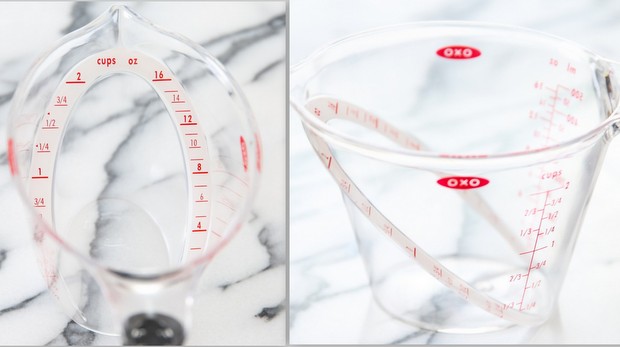
Bowls and mugs come in many sizes but can help estimate a cup. A small bowl or a standard coffee mug often holds about one cup. Use these carefully for dry or liquid ingredients.
- Standard coffee mugs usually hold 10 to 12 ounces
- Use a smaller bowl for close to one cup
- Fill the bowl or mug to the right level for approximate measurement
Credit: kirbiecravings.com
Visual Estimation Techniques
Measuring a cup without a measuring cup is easy with some practice. You can use your eyes and everyday items to estimate the amount.
These visual tricks help you fill containers accurately. They work well in cooking and baking when you do not have tools.
Filling By Eye With Liquid Levels
Look at the container’s sides to judge the liquid level. You can compare it to the height of a known amount of water.
For example, a cup of water fills about 2.4 inches in a standard coffee mug. Practice helps you guess amounts by height.
- Use a clear container to see the liquid level.
- Fill slowly to avoid overfilling.
- Check the level against familiar marks or objects.
Using Familiar Objects For Volume
Use items with known sizes to estimate a cup. For example, a baseball or a tennis ball is close to one cup in volume.
Other objects like a small fist or an ice cream scoop also help you visualize the amount needed.
- Baseball or tennis ball = about 1 cup
- Ice cream scoop = about 1/2 cup
- Your fist = roughly 1 cup
Marking Containers For Accuracy
Mark your containers with lines to show cup amounts. Use a permanent marker or tape to create visible marks.
Fill the container with water and mark the level for one cup. Repeat for half or quarter cups if needed.
- Fill container with 1 cup of water
- Draw a line where the water reaches
- Label the line with the amount
- Use this container for future measurements
Diy Measuring Methods
Measuring cups are common in kitchens, but you might not always have one. You can still measure ingredients accurately using simple tricks. These DIY methods help you get close to the right amount.
Here are easy ways to measure a cup without a measuring cup. They use items you already have at home.
Measuring With Water Displacement
Fill a container with water and note the level. Add the ingredient and see how much the water rises. This shows the ingredient’s volume.
Use a clear container with volume marks or mark the water level yourself with a marker or tape.
- Fill container with water to a clear level
- Mark or note the water level
- Add your ingredient slowly
- Measure how much the water rises
- The rise equals the ingredient’s volume
Creating Makeshift Measuring Lines
Use a clear glass or jar to create your own measuring lines. Fill it with water using a standard cup or bottle to mark each level.
Mark the glass with tape or a marker after each fill. This glass can then measure dry or liquid ingredients.
- Find a clear glass or jar
- Fill with water using a known volume
- Mark the level with tape or marker
- Repeat for each cup measurement needed
- Use it to measure ingredients later
Using Weight To Estimate Volume
Weigh your ingredients using a kitchen scale. Find the weight that equals one cup for that ingredient online or on packaging.
Use this weight as a guide to measure ingredients by weight instead of volume.
| Ingredient | Approximate Weight for 1 Cup |
|---|---|
| All-purpose flour | 120 grams (4.2 oz) |
| Sugar (granulated) | 200 grams (7 oz) |
| Butter | 227 grams (8 oz) |
| Milk | 240 grams (8.3 oz) |

Credit: rhondasues.com
Tips For Baking And Cooking
Measuring ingredients correctly is key to good baking and cooking. Not everyone has a measuring cup at hand. You can still measure a cup without one. Use simple tricks to estimate ingredients.
These tips help you adjust recipes and avoid mistakes. Knowing common volume equivalents makes cooking easier. Let’s explore useful ways to measure without a measuring cup.
Adjusting Recipes When Estimating
When you estimate ingredient amounts, your recipe may need small changes. You can adjust cooking time or add a little more liquid. Keep an eye on the texture and taste as you cook.
If you add less flour, your dough might be wet. Add flour in small steps until it feels right. If you add too much salt, add more water or other ingredients to balance it out.
Common Ingredient Volume Equivalents
You can use everyday items to measure ingredients. Knowing common volume equivalents helps you estimate a cup. Here are some examples for basic ingredients.
| Ingredient | Approximate Volume | Household Item |
|---|---|---|
| Flour | 1 cup = 16 tablespoons | 16 tablespoons or 1 coffee mug |
| Sugar | 1 cup = 16 tablespoons | 16 tablespoons or 1 small bowl |
| Butter | 1 cup = 8 tablespoons | 8 tablespoons or 1 stick of butter |
| Milk or Water | 1 cup = 240 ml | 1 standard drinking glass |
Avoiding Common Measurement Mistakes
Estimating measurements can lead to mistakes. Avoid packing flour too tightly. Use a spoon to fill flour lightly. Level off ingredients with a flat edge for accuracy.
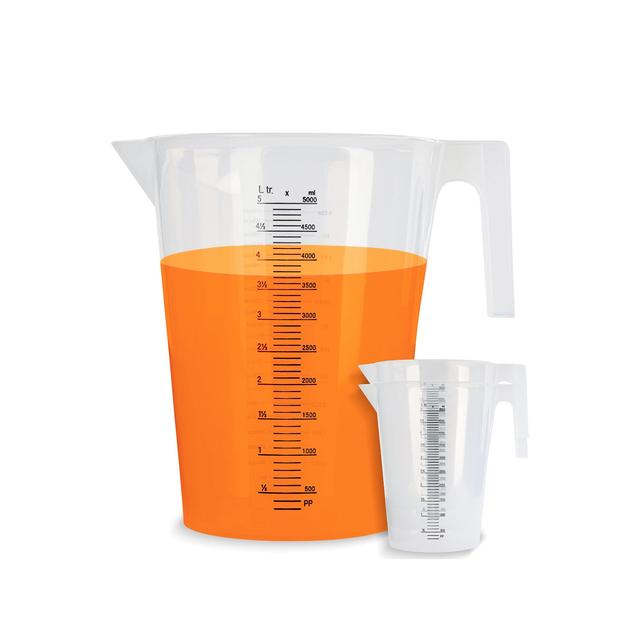
Don’t guess liquids by eye. Pour slowly and use a container with volume marks if you can. Always double-check your estimates before mixing ingredients.
- Use spoons to scoop and level dry ingredients
- Pour liquids on a flat surface to see true level
- Remember that different ingredients have different densities
- Adjust the recipe if the texture looks off
Credit: www.accio.com
Frequently Asked Questions
How Can I Measure A Cup With Spoons?
You can measure a cup using tablespoons. One cup equals 16 tablespoons. Simply fill a tablespoon and repeat until you reach 16 tablespoons. This method ensures accuracy when you lack a measuring cup. It’s a practical solution for everyday cooking and baking needs.
What Household Items Equal A Cup?
Common items can substitute for a cup. A standard coffee mug often holds around one cup. You can also use a glass jar or a small bowl. These items provide a rough estimate, perfect when precise measurements aren’t crucial.
Can I Use A Scale To Measure A Cup?
Yes, a kitchen scale is a great tool. Weigh 240 grams of water for one cup. This method ensures precision, especially for baking recipes. It’s a reliable alternative to traditional measuring cups.
How Do I Measure Liquid Without A Cup?
Use a water bottle to estimate liquid measurements. Most water bottles have volume markings. Fill the bottle to the desired level to measure one cup. This method is handy when cooking or baking on the go.
Conclusion
Measuring a cup without a measuring cup is easy and quick. Use common items like spoons, glasses, or your hand. These methods help you cook or bake without special tools. Practice a few times to get better at it. You don’t need fancy equipment to follow recipes.
Just remember simple tricks, and you will do fine. Cooking can be fun and stress-free this way. Try these tips next time you cook. You’ll save time and avoid confusion. Simple steps make a big difference in the kitchen.