Have you ever wondered what makes your car’s air conditioner blow that cool, refreshing air on a hot day? You might have heard the term “Freon” thrown around, but do you really know if your car’s AC uses it?
Understanding this can help you take better care of your vehicle and avoid costly repairs. Keep reading, and you’ll discover the truth about car air conditioners and Freon—knowledge that every driver should have to stay comfortable and confident on the road.
How Car Air Conditioners Work
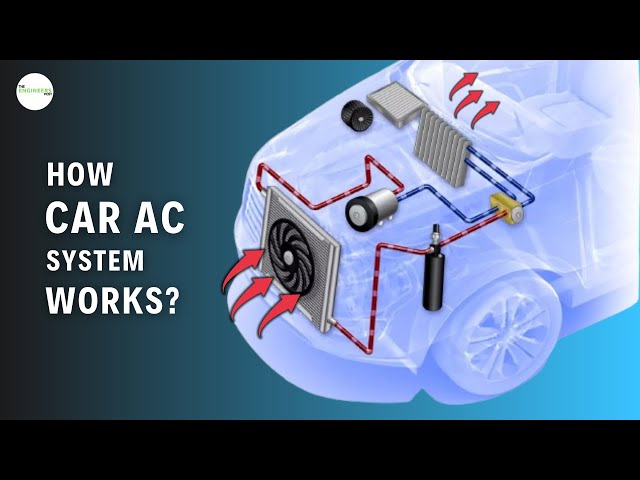
Car air conditioners use several basic componentsto cool the air inside. The main parts include the compressor, condenser, evaporator, and refrigerant. The compressorpumps the refrigerant through the system. The condensercools the refrigerant, turning it from gas to liquid. The evaporatorabsorbs heat from the air inside the car, cooling it down.
The cooling processstarts with the refrigerant. It flows in a loop, changing from gas to liquid and back. As the refrigerant evaporates, it pulls heat from the car’s air. This cools the air before it reaches the car’s cabin. The warm refrigerant then goes back to the compressor to start again.
Credit: www.sunautoservice.com
What Is Freon?
Freonis a brand name for a group of chemicals called chlorofluorocarbons (CFCs)and hydrochlorofluorocarbons (HCFCs). These chemicals are used as refrigerants in cooling systems. They help move heat out of the car to make the inside cool and comfortable.
| Chemical Type | Common Use in Cars | Environmental Impact |
|---|---|---|
| R-12 (CFC) | Old vehicles | High ozone depletion |
| R-134a (HFC) | Most cars from 1990s to 2010s | Lower ozone damage but high global warming potential |
| R-1234yf | Newer cars | Low global warming potential |
Freon In Modern Car Ac Systems
Most modern car air conditionersdo not use Freon anymore. Freon, also known as R-12, was common in older cars but is now banned. It harms the ozone layer.
Today, cars use safer refrigerants like R-134a and R-1234yf. These cool the air well and cause less damage to the environment.
| Refrigerant | Used In | Environmental Impact |
|---|---|---|
| R-12 (Freon) | Older cars | High ozone damage, banned |
| R-134a | Most cars (1990s-2010s) | Less ozone damage, but high global warming |
| R-1234yf | Newer cars | Low ozone damage, low global warming |
Using modern refrigerants helps protect the earth’s ozone layer. It also reduces harmful gases that cause global warming.

Credit: www.reddit.com
Signs Of Freon Issues
Reduced cooling efficiencyis a common sign of low Freon levels. The air conditioner may blow warm or less cold air. This happens because Freon helps absorb heat from the car’s interior. Without enough Freon, the system cannot cool properly. The engine may also run longer to try to cool the car, wasting fuel.
Leaks and their effectscause Freon to escape from the system. Leaks can happen in hoses, seals, or the compressor. A Freon leak can damage the air conditioner over time. It may also harm the environment. Signs of leaks include oily spots or a strong smell near the AC parts. Fixing leaks early keeps the system working well and saves money on repairs.
Freon Replacement And Maintenance
Car air conditioners do use Freon or similar refrigerants to cool the air inside the vehicle. Regular maintenance and timely Freon replacement keep the system efficient and prevent breakdowns. Proper care ensures a comfortable ride, especially in hot weather.
When To Refill
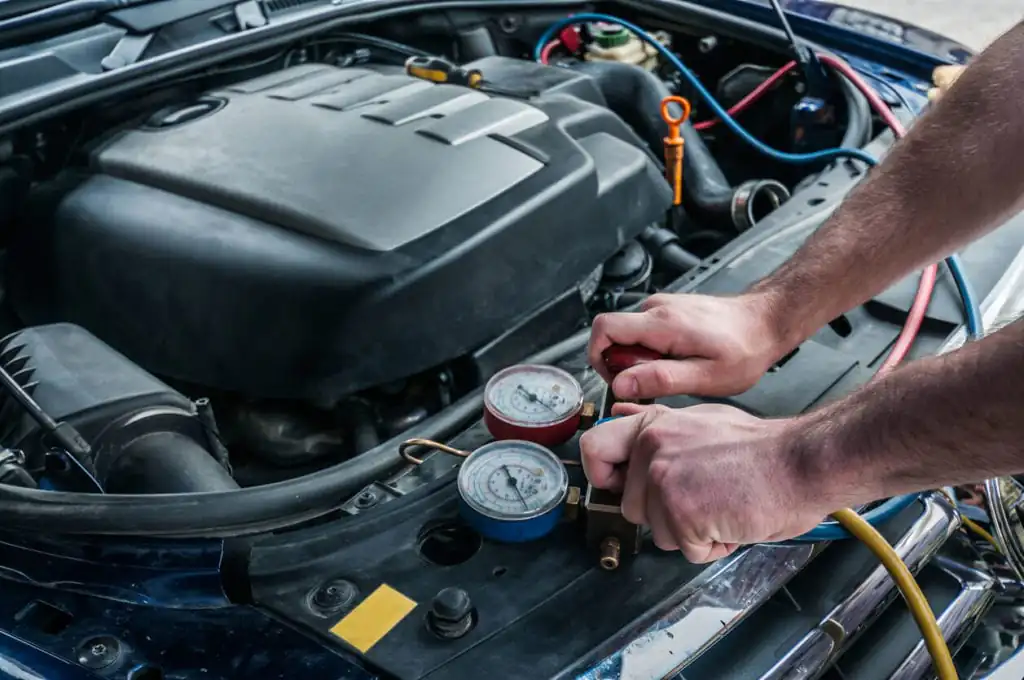
Car air conditioners use refrigerants like Freon to cool air. Over time, the Freon level drops. Signs to refill include less cold air or strange noises. Check for leaks first, as low Freon often means a leak. Refilling too soon or too late can harm the system.
Professional Servicing Tips
- Always use the correct type of refrigerant for your car model.
- Have a professional check for leaks before refilling Freon.
- Regular servicing helps keep the AC working well.
- Never add Freon without proper tools and knowledge.
- Keep the system clean to prevent damage and improve cooling.
Alternatives To Freon
Eco-friendly refrigerantsare gaining popularity for car air conditioners. They are safer for the environment and reduce harm to the ozone layer. Some common types include R-1234yfand R-744 (CO2). These refrigerants have a lower global warming potential than traditional Freon.
Many car makers now use these new refrigerantsto meet environmental rules. They help cut down pollution and keep cars cool efficiently. Some refrigerants are non-toxic and less flammable, making them safer for drivers and technicians.
| Refrigerant | Environmental Impact | Safety |
|---|---|---|
| R-1234yf | Low global warming potential | Low flammability |
| R-744 (CO2) | Very low global warming potential | Non-toxic, non-flammable |
| Traditional Freon (R-134a) | High global warming potential | Non-flammable but harmful to ozone |
Future trendspoint to more eco-friendly and efficient car AC systems. Electric cars often use these green refrigerants. Advances in technology aim to reduce energy use and make cooling systems last longer.
Credit: www.youtube.com
Frequently Asked Questions
Do Car Air Conditioners Still Use Freon?
Most car air conditioners no longer use Freon (R-12). Modern vehicles use R-134a or R-1234yf refrigerants. These are more environmentally friendly and efficient. However, older cars might still contain Freon, requiring special handling and disposal.
What Refrigerant Do Modern Car Acs Use?
Modern car AC systems commonly use R-134a or R-1234yf refrigerants. These refrigerants replace Freon due to environmental regulations. They offer better cooling performance and lower ozone depletion potential. Using the correct refrigerant ensures efficient and safe AC operation.
Can I Refill My Car Ac With Freon Myself?
Refilling car AC with Freon is not recommended for non-professionals. Handling refrigerants requires special tools and certification. Incorrect handling can damage the system or harm the environment. It’s best to have a certified technician perform AC refills.
Why Was Freon Phased Out In Car Ac Systems?
Freon (R-12) was phased out due to its ozone-depleting properties. Environmental laws now restrict its use to protect the atmosphere. New refrigerants like R-134a and R-1234yf are safer alternatives. This change helps reduce the impact of car AC emissions on ozone.
Conclusion
Car air conditioners often use refrigerants like Freon to cool the air. These chemicals help move heat out of your car’s cabin. Over time, the Freon may leak or lose effectiveness. Regular checks keep your AC working well and your rides comfortable.
Knowing this helps you care for your car better. Stay aware and keep your system in good shape for cool drives.