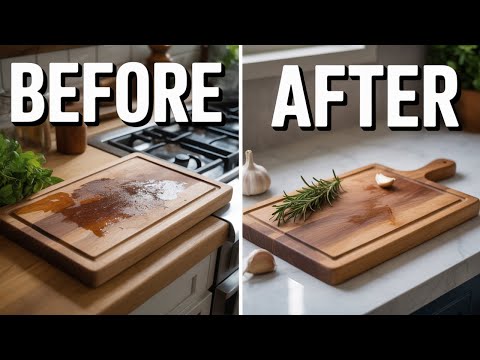
Your cutting board is one of the busiest tools in your kitchen, but it can also hide harmful bacteria that you don’t want on your food. If you’re not disinfecting it properly, you could be risking your health without even knowing it.
But don’t worry—disinfecting your cutting board is easier than you think. You’ll learn simple and effective steps to keep your cutting board clean and safe every time you cook. Keep reading, and protect yourself and your family from foodborne illnesses with these easy tips.
Credit: www.thekitchn.com
Choosing The Right Cutting Board
Picking the right cutting board helps keep your kitchen safe. It also makes cleaning easier and stops germs from spreading.
Two popular materials for cutting boards are wood and plastic. Each has pros and cons to think about before buying.
Wood Vs Plastic
Wood Cutting Boards
Wood boards are strong and last long if cared for well. They are gentle on knives and look natural in kitchens.
Wood can absorb water and germs if not cleaned properly. They need regular oiling to stop cracking and warping.
- Durable and long-lasting
- Gentle on knife edges
- Needs oiling to prevent damage
- Can absorb bacteria if not dried
Plastic Cutting Boards
Plastic boards are lightweight and easy to clean. You can put them in a dishwasher for quick sanitation.
They can get deep cuts that hold bacteria. Plastic boards wear out faster and may need more frequent replacement.
- Dishwasher safe for easy cleaning
- Lightweight and affordable
- Shows knife marks and cuts easily
- May need replacing often
Daily Cleaning Techniques
Keeping your cutting board clean every day helps stop germs from spreading. Simple daily care keeps your board safe for food.
Use easy steps to wash and dry your cutting board after each use. This keeps it fresh and ready for your next meal.
Soap And Water Wash
Wash your cutting board with warm water and dish soap right after use. This removes food bits and reduces bacteria.
- Apply a small amount of dish soap.
- Use a clean sponge or brush to scrub the surface.
- Clean both sides thoroughly.
- Pay attention to grooves where food can hide.
- Rinse well with warm water.
Rinsing And Drying
After washing, rinse the board completely to remove soap. Dry it well to stop moisture and bacteria growth.
| Drying Method | Purpose |
| Air dry upright | Allows air to circulate and dry faster |
| Use a clean towel | Removes extra water quickly |
| Store in dry place | Keeps board safe from mold and bacteria |
Using Vinegar For Disinfection
Vinegar is a natural cleaner often used in kitchens. It helps remove germs from cutting boards safely.
Using vinegar can reduce bacteria without harsh chemicals. It is easy to apply and affordable.
Application Tips
Use white vinegar for the best results. Spray or pour it directly on the cutting board.
Let the vinegar sit for at least five minutes. Then rinse the board with water and dry it well.
- Use undiluted white vinegar
- Cover the entire surface
- Wait 5 minutes before rinsing
- Dry the board completely
Effectiveness Against Bacteria
Vinegar kills many types of bacteria on cutting boards. It works best on fresh stains and spills.
Vinegar is not a strong disinfectant for all germs. Use it regularly for safer kitchen surfaces.
- Effective against E. coli and Salmonella
- Less effective on dried or tough bacteria
- Safe for wooden and plastic boards
- Good for everyday cleaning
Credit: www.lysol.com
Bleach Solutions For Deep Cleaning
Using bleach solutions is an effective way to disinfect cutting boards. It kills germs and bacteria that regular cleaning may miss.
It is important to prepare bleach solutions correctly and follow safety rules to avoid damage or health risks.
Proper Dilution Ratios
Bleach must be diluted with water to work safely on cutting boards. Too strong can harm the board; too weak won’t kill germs.
| Bleach Type | Water Amount | Recommended Ratio | Use |
|---|---|---|---|
| Regular Household Bleach (5%) | 1 gallon (3.8 liters) | 1 tablespoon bleach per gallon | Disinfect cutting boards after washing |
| Concentrated Bleach (8.25%) | 1 gallon (3.8 liters) | 1 teaspoon bleach per gallon | Light disinfection for quick cleaning |
Safety Precautions
- Always wear gloves when handling bleach solutions.
- Use bleach in a well-ventilated area to avoid fumes.
- Do not mix bleach with ammonia or other cleaners.
- Rinse cutting boards well after disinfecting to remove bleach residue.
- Store bleach safely away from children and pets.
Natural Alternatives
Cleaning your cutting board is important to keep food safe. Natural alternatives can disinfect without harsh chemicals.
These options use simple ingredients you may have at home. They help kill germs and remove stains.
Lemon And Salt Scrub
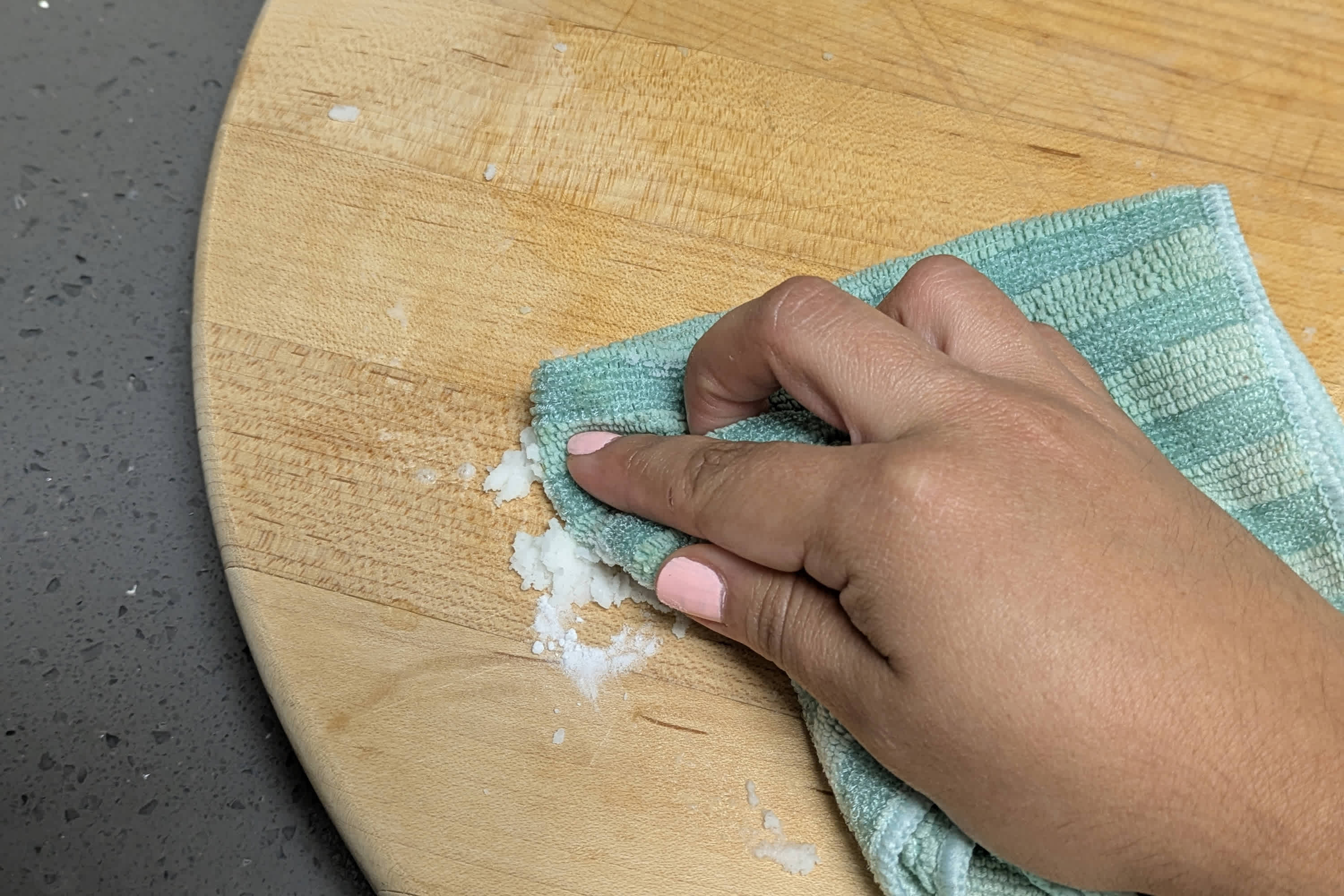
Lemon juice is acidic and can kill bacteria. Salt works as a scrub to remove dirt and stains.
Cut a lemon in half and sprinkle salt on the cutting board. Rub the lemon over the salt in circles.
- The acidity cleans the surface
- Salt scrubs away food particles
- Leave it for 5 minutes before rinsing
Hydrogen Peroxide Use
Hydrogen peroxide is a safe disinfectant that kills many germs. Use a 3% solution for cleaning.
Pour hydrogen peroxide on the cutting board and spread it evenly. Let it sit for a few minutes before rinsing.
- Use fresh 3% hydrogen peroxide only
- Do not mix with other cleaners
- Rinse well after applying
Preventing Cross-contamination
Cross-contamination happens when harmful bacteria spread from one food to another. This often occurs on cutting boards if they are not cleaned properly. Keeping cutting boards clean helps keep your food safe.
Disinfecting your cutting board is an important step to stop bacteria from spreading. This protects you and your family from foodborne illnesses.
Separate Boards For Different Foods
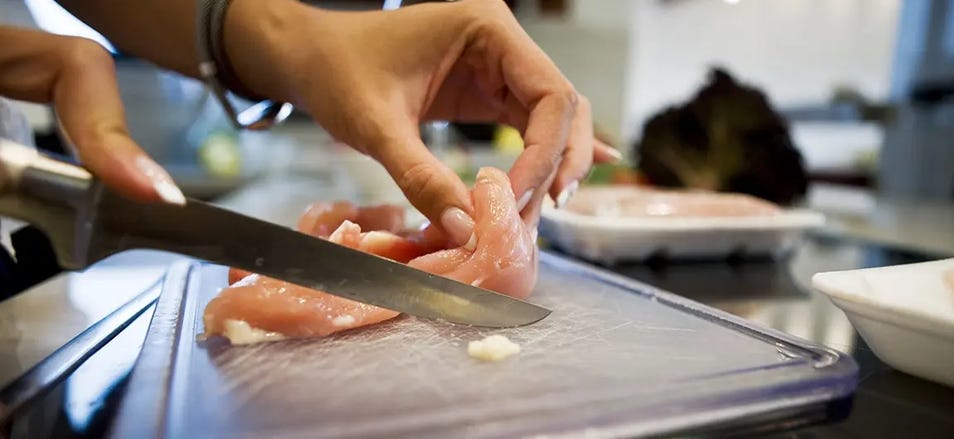
Use different cutting boards for raw meat, vegetables, and cooked foods. This stops bacteria from raw meat from touching other foods.
Label or color-code your boards to remember which one to use. This simple step reduces the chance of cross-contamination in your kitchen.
- One board for raw meats and poultry
- One board for vegetables and fruits
- One board for cooked foods or bread
Regular Inspection And Replacement
Check your cutting boards often for deep cuts or cracks. These spots can hide bacteria and make cleaning hard.
Replace cutting boards when they become worn out. Using a damaged board increases the risk of spreading germs.
- Look for scratches and grooves after each use
- Replace boards with many deep cuts
- Use plastic boards for easy cleaning and replacement
Maintenance Tips To Extend Lifespan
Cutting boards need regular care to stay clean and safe. Proper maintenance helps them last longer. This guide shares simple tips to keep your cutting board in good shape.
Disinfecting is important, but so is protecting the board from damage. Small actions can prevent cracks and warping. Let’s look at how to care for wooden cutting boards.
Oiling Wooden Boards
Wooden boards need oil to stay healthy. Oil stops wood from drying out and cracking. Use food-safe mineral oil for best results.
Apply oil evenly on the clean, dry board. Let the oil soak in for a few hours or overnight. Wipe off any extra oil with a soft cloth.
- Oil boards once a month or after heavy cleaning
- Use mineral oil or beeswax-based products
- Do not use vegetable or olive oil; they can go rancid
- Keep oil away from heat to avoid drying out
Avoiding Warping And Cracks
Water and heat can damage wooden boards. Too much water causes warping. Heat can dry wood and cause cracks.
Always dry your board after washing. Stand it upright to air dry. Avoid soaking it in water or putting it in the dishwasher.
- Wash with warm, soapy water right after use
- Do not leave boards in water for long
- Dry immediately with a towel, then air dry
- Store boards in a dry, cool place
- Avoid direct sunlight or heat sources

Credit: branchbasics.com
Frequently Asked Questions
How Often Should I Disinfect My Cutting Board?
It’s recommended to disinfect your cutting board after every use, especially when cutting raw meat or poultry. Regular cleaning helps prevent cross-contamination and ensures food safety. For cutting boards used for fruits and vegetables, disinfecting once a day or after heavy use should suffice.
What Are Natural Ways To Disinfect A Cutting Board?
You can use natural methods like vinegar or lemon juice to disinfect your cutting board. Simply apply and let it sit for a few minutes, then rinse. Baking soda can also be sprinkled, scrubbed, and rinsed off for effective disinfection.
Can I Use Bleach On My Cutting Board?
Yes, you can use a diluted bleach solution to disinfect cutting boards, especially for tough bacteria. Mix one tablespoon of bleach with one gallon of water. Soak or wipe the board, then rinse thoroughly with water to remove any residue.
Is It Safe To Use Dish Soap For Disinfection?
Dish soap can clean but may not fully disinfect a cutting board. It’s effective for removing food particles and oils. For complete disinfection, follow up with a stronger agent like vinegar, hydrogen peroxide, or a bleach solution.
Conclusion
Cleaning your cutting board well keeps your kitchen safe. Use soap, hot water, and disinfectant regularly. Dry the board completely to stop germs from growing. Change wooden boards that get too worn or cracked. Simple steps help avoid food poisoning.
Keep your cutting board fresh and clean every time. Safe food starts with a clean board. Your health depends on good kitchen habits.