Is your central air conditioner leaking water and leaving you worried? You’re not alone.
When you notice water pooling around your AC unit, it can be confusing and frustrating. But understanding why this happens is the first step to fixing the problem quickly. You’ll discover the common reasons behind your AC leaking water and what you can do to stop it.
Keep reading to protect your home and keep your air conditioner running smoothly.
Credit: fischerheating.com
Common Leak Sources
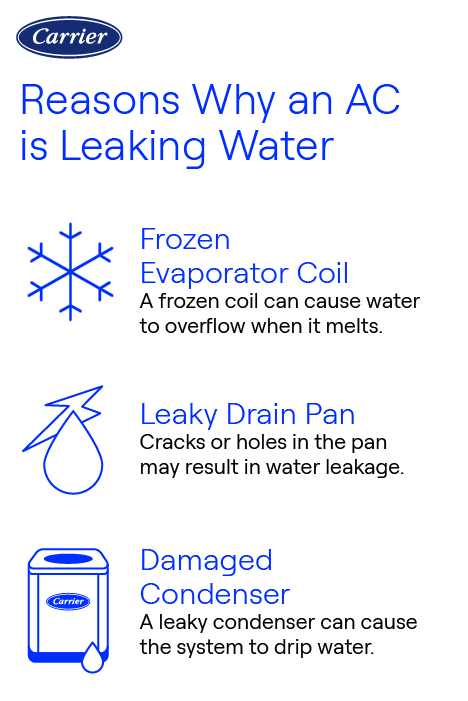
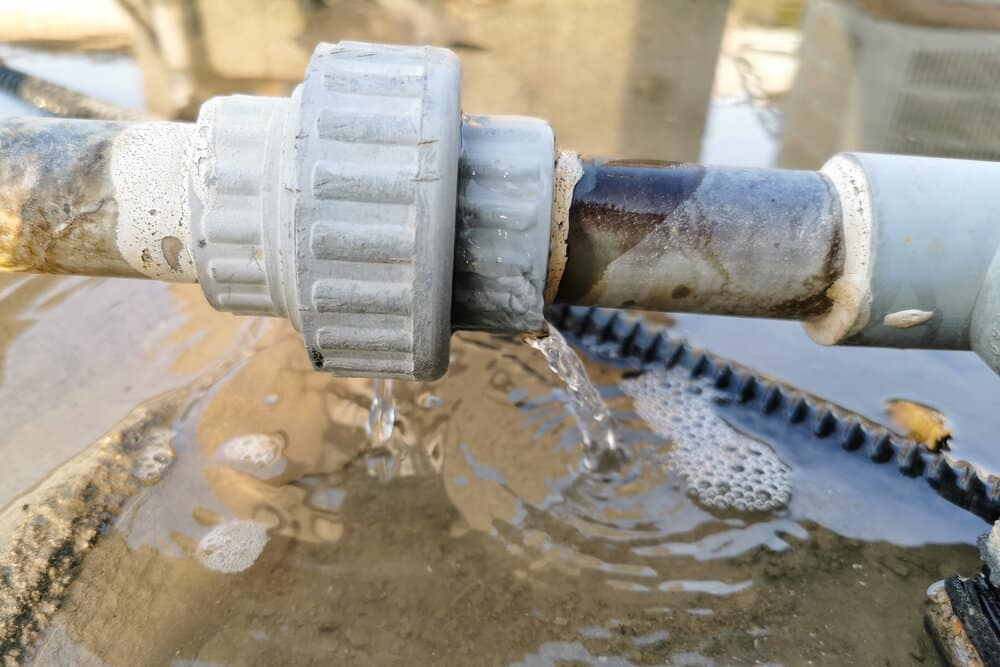
Clogged drain linesstop water from leaving your AC. Water builds up and leaks inside your home. Leaves, dirt, or mold often block the line. Regular cleaning helps avoid this problem.
The drain pancatches water from the AC. If the pan is cracked or rusted, water leaks out. Check the pan for damage to stop leaks. Replacing the pan is often needed.
Frozen evaporator coilscause water to drip when they melt. Dust or low refrigerant can freeze the coils. Clean the coils and fix refrigerant levels to prevent ice.
Effects Of Poor Maintenance
Dirty air filtersblock airflow, causing the unit to freeze and then leak water. Clogged filters reduce efficiency and strain the system. Clean or replace filters regularly to keep air flowing smoothly.
Neglected condensate draincan clog with dirt and algae. This blockage causes water to back up and leak inside your home. Regular cleaning of the drain line prevents overflow and water damage.
Worn out componentslike damaged seals or cracked pipes can cause leaks. Old parts may fail to handle condensation properly. Timely repairs help avoid bigger problems and keep your AC running well.
Installation And Design Issues
Improper unit levelingcan cause water to leak from a central air conditioner. If the unit is tilted, water may not flow to the drain pan properly. This leads to water buildup and leakage inside the house.
Incorrect drainage setupis another common issue. The drain line must be installed with a slight downward slope. Without this, water can get trapped or flow back, causing leaks. Blocked or damaged drain lines also stop water from draining well.
- Unit must sit level on the ground or platform.
- Drain line should slope downward for good water flow.
- Check for clogs or cracks in the drain pipe.
- Ensure the drain pan is not cracked or rusted.

Credit: www.reddit.com
Environmental Factors
Cold outdoor air and high humidity can cause excess moisture in your air conditioner. Dirt and debris may block drainage, leading to water leaks. Proper airflow and regular cleaning help prevent these issues.
High Humidity Impact
High humiditymakes air conditioners work harder to remove moisture.
More moisture means more water inside the unit. This water may leak if the system cannot handle it.
Clogged or dirty drains can worsen leaks during humid days.
Extreme Temperature Fluctuations
- Sudden temperature changes cause the unit to produce more condensation.
- Cold air hitting warm surfaces creates extra water drops.
- This extra water may overflow the drain pan.
- Frequent shifts can also damage seals and pipes, causing leaks.
Signs Of Serious Problems
Excessive water poolingaround the air conditioner signals a serious issue. It means the unit’s drainage system might be clogged or damaged. This can cause water damage to walls or floors.
Unusual noiseslike banging, hissing, or gurgling often show mechanical problems. These sounds suggest parts may be loose or blocked, needing quick attention to avoid bigger damage.
Reduced cooling efficiencymeans the unit isn’t working well. It may take longer to cool your home or not cool enough. This often happens because water leaks affect the system’s parts.
Preventive Measures
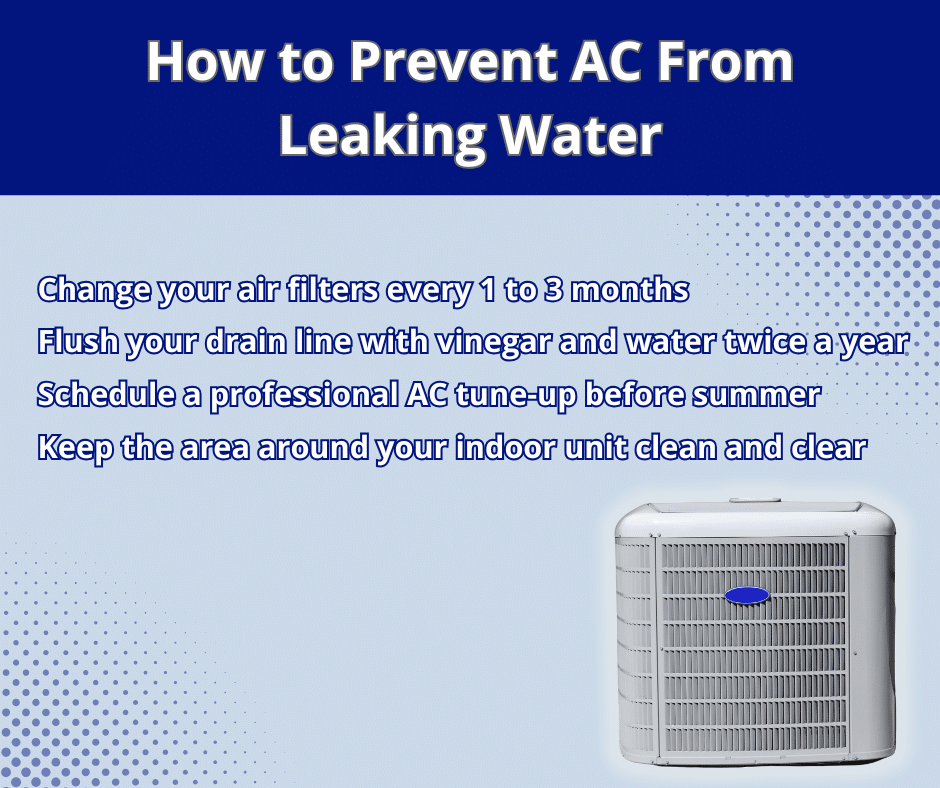
Regular cleaningof air filters and coils keeps water flowing properly. Dirt blocks drains and causes leaks. Clean filters every month during heavy use.
Timely repairsstop small issues from growing. Fix broken drain lines, clogged pipes, or damaged parts quickly. Delays can cause water to leak inside.
Professional inspectionsfind hidden problems early. Experts check the whole system, including drain pans and condensate pumps. Annual checkups help prevent leaks and keep your air conditioner working well.
Credit: honorservices.com
Frequently Asked Questions
Why Is My Central Ac Leaking Water Inside?
Water leaks inside your home when the drain line clogs. Dirt and debris block water flow. This causes overflow and indoor leaks. Regular cleaning prevents this issue and keeps your AC running smoothly.
Can A Frozen Evaporator Coil Cause Water Leaks?
Yes, a frozen evaporator coil melts and causes water leaks. Low refrigerant or poor airflow leads to freezing. When thawing, excess water can overflow the drain pan and leak indoors.
How Does A Clogged Drain Line Affect Ac Water Leakage?
A clogged drain line stops condensation from draining properly. Water backs up and leaks inside your home. Clearing the clog regularly prevents leaks and protects your property from water damage.
Is Improper Installation A Reason For Ac Water Leakage?
Improper installation can cause water to leak from your AC. Poor slope or loose connections prevent proper drainage. Always hire certified professionals to install your central air conditioner.
Conclusion
A leaking central air conditioner needs quick attention to avoid damage. Check the drain line and filters regularly. Keep the unit clean to stop water buildup. Small issues can turn into costly repairs fast. Stay alert for signs like water puddles or damp spots.
Fixing leaks early saves money and keeps your home comfortable. Remember, regular care helps your AC run smoothly all year. Don’t ignore water leaks—they signal something needs fixing. Act soon to protect your system and home.