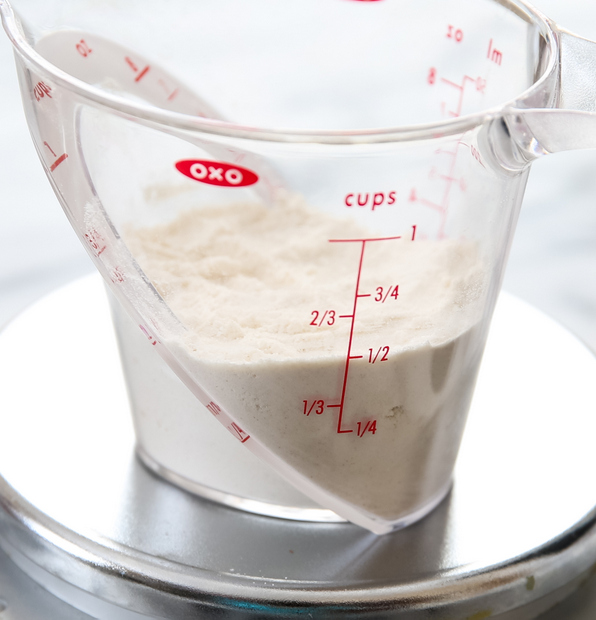
Have you ever wondered why recipes always ask for specific amounts of ingredients? That’s where a measuring cup comes in.
It’s a simple tool, but it can make a huge difference in how your food turns out. Whether you’re baking a cake or mixing a smoothie, knowing exactly how much of each ingredient to use can save you time, reduce waste, and improve your results.
You’ll discover what a measuring cup is used for and why it should be a must-have in your kitchen. Keep reading to unlock the secret to cooking and baking with confidence every time.
Credit: kirbiecravings.com
Purpose Of A Measuring Cup
A measuring cup helps you add the right amount of ingredients. It is an important tool in cooking and baking.
Using a measuring cup makes your recipes turn out just right. It gives you accuracy and consistency.
Measuring Liquids Accurately
Measuring cups are designed to measure liquids such as water, milk, or oil. They have clear markings on the side. This helps you see the exact amount needed.
- Pour liquid into the cup until it reaches the line.
- Place the cup on a flat surface to read the measurement.
- Check the measurement at eye level for accuracy.
Measuring Dry Ingredients
Measuring cups also work for dry ingredients like flour, sugar, and rice. You can scoop or pour the ingredient into the cup. Then level it off with a flat edge for a precise amount.
| Dry Ingredient | Tips for Measuring |
| Flour | Spoon into cup, then level with a knife |
| Sugar | Fill cup and level for exact amount |
| Rice | Fill cup and gently shake to settle |
Importance In Baking And Cooking
Recipes need exact measurements to work well. Baking especially needs precise amounts to get the right texture and taste.
- Correct liquid and dry amounts prevent mistakes.
- Consistent results come from using measuring cups.
- They help avoid wasted ingredients and effort.
Types Of Measuring Cups
Measuring cups help you add the right amount of ingredients. Different types suit different cooking needs.
Choosing the right measuring cup makes your cooking easier and your recipes more accurate.
Liquid Measuring Cups
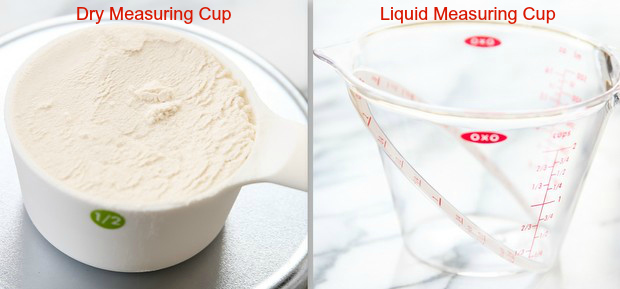
Liquid measuring cups are made for wet ingredients like water, milk, or oil. They usually have a spout for easy pouring.
These cups are often transparent with clear markings on the side. This helps you see the exact amount without guessing.
- Made from glass or plastic
- Have a pouring spout
- Clear measurement lines
- Come in sizes like 1 cup or 2 cups
Dry Measuring Cups
Dry measuring cups are used for solid ingredients like flour, sugar, or rice. They come in sets of different sizes.
These cups are designed to be filled and leveled off for exact amounts. They do not have spouts.
- Made from metal, plastic, or ceramic
- Different sizes like 1 cup, ½ cup, ¼ cup
- Used for dry ingredients only
- Flat top edge for leveling
Specialty Measuring Cups
Specialty measuring cups serve specific purposes. They help measure odd ingredients or large amounts.
Examples include coffee scoops, adjustable measuring cups, and large volume cups for bulk cooking.
- Coffee scoops for coffee grounds
- Adjustable cups with sliding markers
- Large cups for big recipes
- Measuring spoons for small amounts
Materials And Designs
Measuring cups come in many materials and styles. They help you measure liquids and dry ingredients accurately.
Each type has its own features and benefits. Knowing about them can help you pick the right one for your kitchen.
Glass Measuring Cups
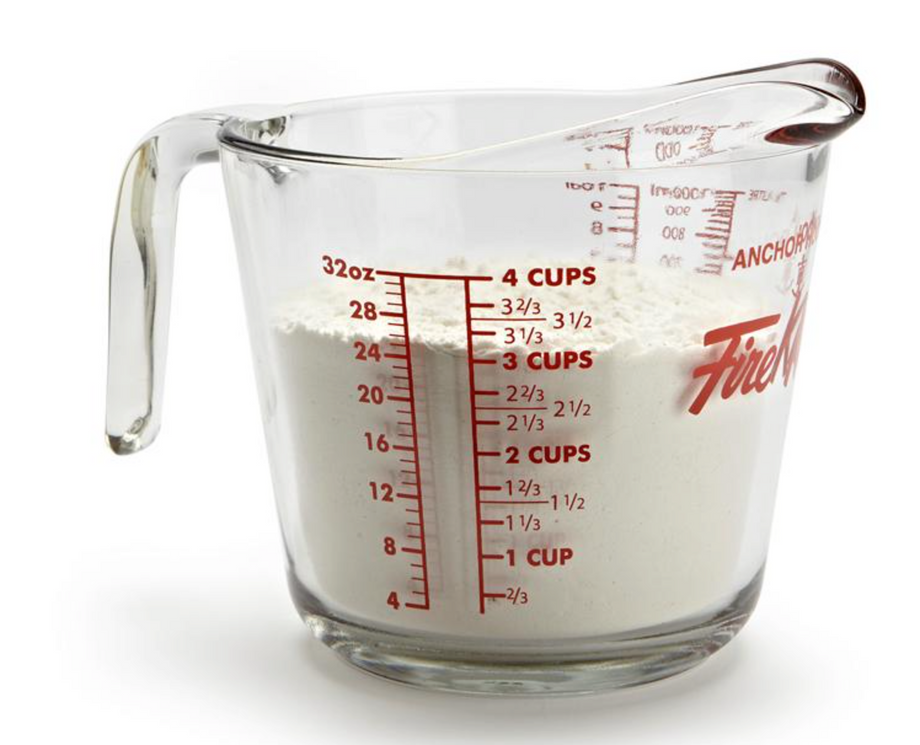
Glass measuring cups are clear and often have easy-to-read markings. They do not absorb smells or stains, making them good for many uses.
They can handle hot liquids well. Some glass cups come with a spout for easy pouring.
Plastic Measuring Cups
Plastic measuring cups are light and less likely to break. They come in many colors and sizes.
- Usually cheaper than glass or metal
- May stain or hold odors over time
- Good for everyday use and kids
- Often dishwasher safe
Metal Measuring Cups
Metal measuring cups are strong and long-lasting. They often come in stainless steel, which does not rust.
| Feature | Metal Cups | Glass Cups | Plastic Cups |
|---|---|---|---|
| Durability | Very high | High | Medium |
| Heat Resistance | High | High | Low |
| Weight | Heavy | Medium | Light |
| Visibility of Measurements | Low | High | Medium |
| Cost | Medium | Medium | Low |

Credit: www.ebay.ca
How To Use A Measuring Cup
Measuring cups help you get the right amount of ingredients for cooking and baking. Using them correctly makes your recipes turn out better.
There are ways to measure liquids and dry ingredients accurately. Follow these tips to use your measuring cup the right way.
Measuring Liquids Correctly
Use a clear measuring cup with a spout for liquids. Place it on a flat surface and bend down to eye level. This helps you see the liquid line exactly.
- Pour the liquid slowly to avoid spilling.
- Check the measurement at eye level.
- Use the right cup size for the amount needed.
Measuring Dry Ingredients Precisely
Dry ingredients like flour or sugar need to be measured differently. Use a dry measuring cup and fill it slightly over the top.
Level off the excess with a flat edge like a knife. This keeps your measurement exact and prevents extra ingredients.
Tips For Accurate Measurement
| Tip | Reason |
| Use the right measuring cup for liquids or dry items | Different cups ensure better accuracy |
| Place cups on a flat surface | Prevents errors caused by holding cups in hand |
| Check measurements at eye level | Helps you see the exact amount |
| Level dry ingredients with a flat edge | Removes extra ingredient for precision |
Common Mistakes To Avoid
Using a measuring cup seems simple, but mistakes happen often. These errors can change your recipe’s outcome.
Knowing what to avoid helps you get better results. Here are common mistakes people make with measuring cups.
Overfilling Or Underfilling
Filling the cup too much or too little causes wrong ingredient amounts. This changes the taste and texture.
Always fill to the exact line. Check at eye level to avoid mistakes.
- Too much liquid makes recipes watery.
- Too little liquid can make food dry.
- Overfilling dry ingredients adds too much.
- Underfilling dry ingredients reduces flavor or texture.
Using The Wrong Type Of Cup
Measuring cups come in different types for liquids and dry ingredients. Using the wrong one causes errors.
Use clear glass or plastic cups for liquids. Use solid cups or scoops for dry items like flour or sugar.
- Liquid cups have a spout for easy pouring.
- Dry cups let you level off ingredients easily.
- Using a dry cup for liquids can cause spills.
- Using a liquid cup for dry items makes leveling hard.
Ignoring Measurement Markings
Not paying attention to measurement lines leads to guesswork. This makes results inconsistent.
Check the markings carefully before adding ingredients. Use the smallest marking for accuracy.
- Measure at eye level to see markings clearly.
- Use the right unit (cups, ml, oz) for your recipe.
- Don’t guess between lines; measure precisely.
- Some cups have faded markings; replace if needed.
Care And Maintenance
Measuring cups help you get precise amounts of ingredients. Keeping them clean and well stored makes them last longer.
Simple care steps keep your measuring cups in good condition for daily use.
Cleaning Tips
Wash your measuring cups right after use. This stops ingredients from sticking and stains from setting.
- Use warm, soapy water and a soft sponge.
- Avoid harsh scrubbers that can scratch the surface.
- Rinse well to remove all soap residue.
- Dry cups completely with a towel to avoid water spots.
Storage Suggestions
Store your measuring cups in a dry place to keep them safe and clean. Avoid stacking heavy items on top.
| Storage Tip | Why It Helps |
| Hang cups on hooks | Prevents scratches and keeps them easy to find |
| Keep in a drawer organizer | Stops cups from moving and getting damaged |
| Store upside down | Prevents dust from collecting inside |
When To Replace Your Measuring Cups
Check your measuring cups often. Replace them if they show signs of wear or damage.
- Cracks or chips that can affect measurement accuracy.
- Faded or worn measurement markings that are hard to read.
- Rust or corrosion on metal cups.
- Plastic cups that have absorbed strong odors or stains.
Benefits Of Using Measuring Cups
Measuring cups help you add the right amount of ingredients to your recipes. They make cooking and baking easier and more accurate.
Using measuring cups can improve your results in the kitchen. They save time and reduce mistakes.
Consistency In Recipes
Measuring cups ensure you use the exact amount of each ingredient. This helps your food taste the same every time.
Following a recipe with correct measurements prevents errors and bad results.
Time Efficiency
Measuring cups speed up the cooking process. You do not need to guess or adjust amounts later.
They help you prepare ingredients quickly and keep your work organized.
Reducing Food Waste
Using measuring cups stops you from using too much or too little food. This lowers waste and saves money.
Accurate measuring means you only use what you need for your recipe.
Credit: www.thecuisinet.com
Frequently Asked Questions
What Is The Primary Use Of A Measuring Cup?
A measuring cup is used to accurately measure liquid or dry ingredients. It ensures precise quantities in cooking and baking. This tool helps maintain recipe consistency and improves cooking results.
Can A Measuring Cup Measure Both Liquids And Solids?
Yes, measuring cups can measure liquids and solids, but specialized cups exist. Liquid measuring cups have a spout for easy pouring. Dry measuring cups are designed for leveling off ingredients for accuracy.
Why Is Using A Measuring Cup Important In Recipes?
Using a measuring cup ensures ingredient accuracy and consistency. It prevents recipe failures due to incorrect amounts. Proper measurements improve taste, texture, and cooking success every time.
How Do I Choose The Right Measuring Cup Size?
Select a measuring cup size based on the ingredient quantity. Common sizes include 1 cup, ½ cup, and ¼ cup. Using the correct size ensures precise measurement and easier handling.
Conclusion
A measuring cup helps you cook and bake with the right amounts. It makes recipes easier to follow and results better every time. Using a measuring cup saves time and reduces mistakes in the kitchen. It works for dry and liquid ingredients alike.
Keep one handy to improve your cooking skills step by step. Small tools like this make a big difference in your meals. Simple, useful, and easy to use—measuring cups belong in every kitchen.