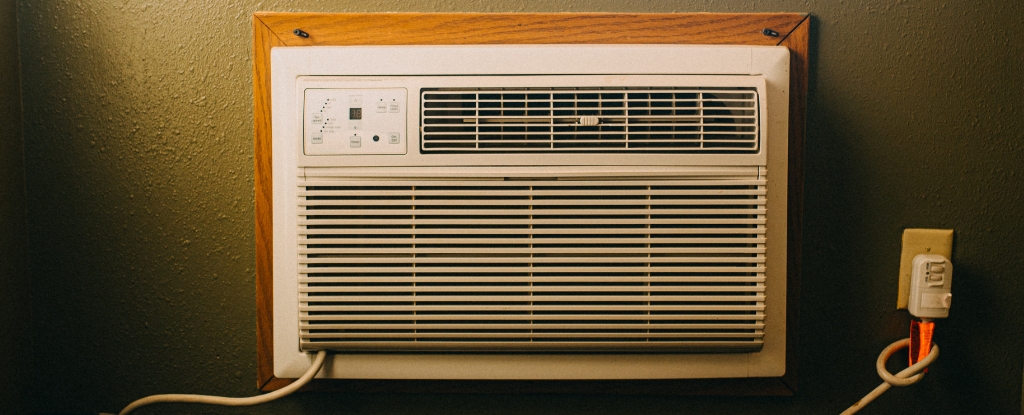
Have you ever wondered if your window air conditioner could be making you sick? It’s easy to think of these units as simple machines that cool your room, but what if they’re affecting your health without you even realizing it?
You rely on your air conditioner to keep you comfortable, especially during hot days, but could it be hiding unseen risks? You’ll discover surprising facts about how window air conditioners can impact your well-being—and what you can do to stay safe and healthy.
Keep reading to find out if your cooling comfort comes with a hidden downside.

Credit: www.1news.co.nz
How Window Acs Affect Indoor Air
Window air conditionersmove air inside the room. They draw warm air, cool it, and push it back. This changes the air circulation patterns. Some areas may get cooler, while others stay warm. This uneven flow can cause stale air pockets. Dust and allergens might build up there. Poor air flow may make breathing harder for some people.
These units also affect humidity and moisture levels. They remove some moisture from the air, making the room dry. Dry air can irritate the skin, eyes, and throat. Sometimes, water can collect inside the unit. This wet area can grow mold and bacteria. Mold spores may spread into the room, causing health issues.
Common Health Issues Linked To Window Acs
Window air conditionerscan cause allergies and breathing problems. Dust, mold, and pollen often get trapped inside the unit. These particles spread into the air and irritate the nose and lungs. People with asthma may find it harder to breathe.
Cold and flu symptoms like cough, runny nose, and sore throatmay appear after using window ACs. This happens because cold air can dry out the throat and nose. Germs can also grow inside dirty air conditioners. Breathing in these germs can make you sick.
Role Of Filters And Maintenance
Filterskeep dust, pollen, and germs out of the air. Some filters catch smaller particles better. HEPA filtersare very good at trapping tiny dust and allergens. Standard filterscatch bigger dust and dirt. Using the right filter helps stop sickness caused by dirty air.
Filters need cleaningor changingoften. Dirty filters let dust and germs grow inside the air conditioner. This can make you feel sickor have allergies.
- Check filters every month during heavy use.
- Wash reusable filters with water and let dry fully.
- Replace disposable filters every 1-3 months.
- Use gentle soap if filters are very dirty.
- Do not run the AC with a dirty filter.

Credit: interaksyon.philstar.com
Mold And Bacteria Growth Risks
Moldgrows in window AC units due to moisture buildup. Water can collect inside the unit, especially if drainage is blocked. Dust and dirt also provide food for mold and bacteria. Poor maintenance or infrequent cleaning makes the problem worse.
Health problemsfrom mold exposure include allergies, coughing, and sneezing. Some people may get headaches or skin irritation. Mold spores can trigger asthma attacks in sensitive individuals. Breathing in these spores for a long time is harmful to lungs.
| Causes of Mold in Window AC Units | Health Impacts of Mold Exposure |
|---|---|
| Moisture buildup inside the unit | Allergic reactions like sneezing and coughing |
| Blocked drainage or poor water flow | Asthma attacks in people with asthma |
| Dust and dirt accumulation | Headaches and skin irritation |
| Infrequent cleaning and maintenance | Long-term lung problems |
Preventing Illness From Window Acs
Proper installation is key to avoid leaks and mold growth. Make sure the unit fits tightly in the window. Use weather stripping to seal gaps. This stops warm air and bugs from entering. Position the drain pan to catch water properly. Tilt the unit slightly outside to help water drain away. Poor installation can cause moisture buildup and sickness.
Cleaning the air filter every month keeps the air fresh. Dust and dirt block airflow and reduce efficiency. Clean the coils and vents regularly to prevent mold. Use a soft brush or cloth. Replace filters if damaged or too dirty. Regular cleaning stops bacteria and allergens from spreading.
- Using dehumidifiers reduces moisture in the room.
- Dry air prevents mold and mildew growth.
- Air purifiers remove dust, pollen, and germs.
- Both devices improve indoor air quality.
- Keep the room fresh and healthy to breathe.
When To Seek Medical Advice
Watch for signs like coughing, sneezing, or headachesafter using the air conditioner. These can mean the unit is spreading dust or germs. Some people may feel tired, dizzy, or have itchy eyes. These symptoms show a reaction to poor air quality.
Check if symptoms get better when away from the AC. This helps know if the AC is the cause. People with asthma or allergiesshould be extra careful.
- Tell a doctor if symptoms last more than a few days.
- Explain when symptoms started and how often they happen.
- Ask about tests to check for allergies or infections.
- Follow the doctor’s advice on treatment and care.
Doctors can help find the cause and suggest ways to breathe easier. Early advice can prevent more serious health problems.

Credit: globalcoolair.com.au
Frequently Asked Questions
Can Window Air Conditioners Cause Respiratory Problems?
Yes, poorly maintained window ACs can harbor mold and bacteria. These can trigger allergies and respiratory issues in sensitive individuals.
How To Prevent Sickness From Window Air Conditioners?
Regularly clean and replace filters. Ensure proper drainage and ventilation to avoid mold and bacteria buildup inside the unit.
Do Window Air Conditioners Spread Germs Indoors?
They can spread germs if not cleaned regularly. Dust and microbes trapped in filters circulate when the AC runs.
Is Cold Air From Window Ac Harmful To Health?
Cold air itself isn’t harmful, but sudden temperature changes can cause discomfort or worsen colds and respiratory conditions.
Conclusion
Window air conditioners can cause health issues if not cleaned often. Dust, mold, and bacteria can build up inside the unit. This can lead to allergies or respiratory problems. Regular cleaning and maintenance keep the air fresh and safe. Also, proper ventilation helps reduce sickness risks.
Use filters and check them regularly to stay healthy. Air conditioners cool your home but need care too. Stay aware and take simple steps to protect yourself. Clean air feels better and keeps sickness away.