Have you ever noticed water dripping near your air conditioner and wondered, “Where is the drain pan on my AC?” Knowing the location of this small but important part can save you from costly repairs and keep your home comfortable. You’ll discover exactly where the drain pan is, why it matters, and how you can check it yourself.
Keep reading to learn how this simple knowledge can protect your AC and your home.
Location Of The Drain Pan
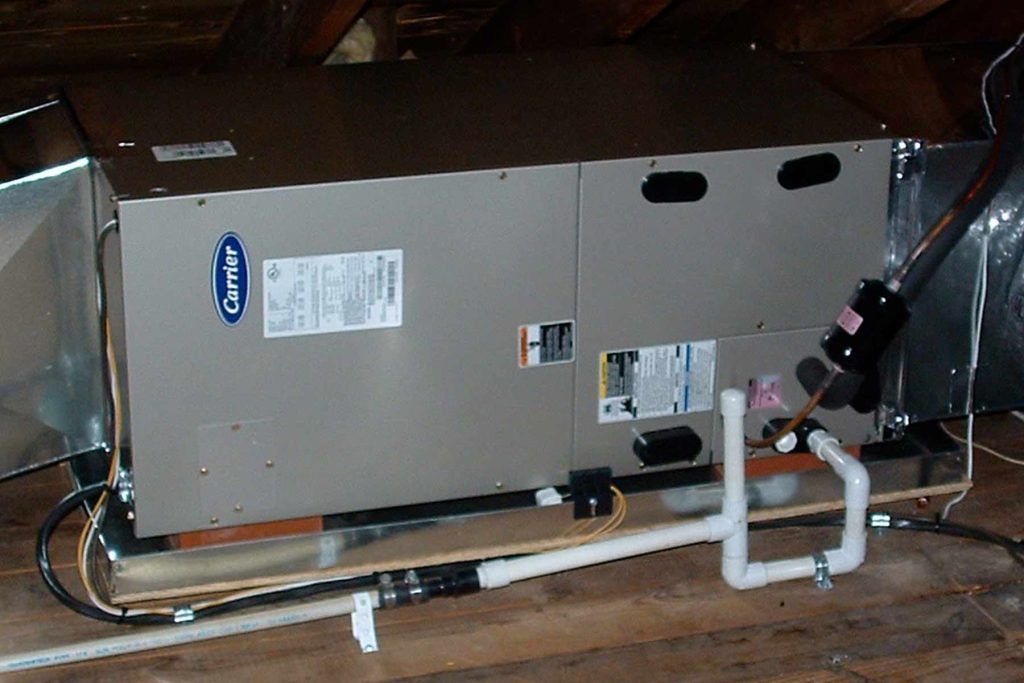
The drain pancollects water that forms from the air conditioner’s cooling process. It is usually found inside the air handler, which is the main part of the AC system.
Near the evaporator coil, the drain pan catches water that drips off the coil. This helps stop water from leaking inside your home.
It sits under the indoor unitto catch all the condensation. This area is often hidden behind a panel or cover.
- Inside the air handler
- Near the evaporator coil
- Under the indoor unit

Credit: www.reddit.com
Purpose Of The Drain Pan
The drain pan in an air conditioner is very important. It collects condensationthat forms when the air cools. This water drips into the pan to stop it from leaking inside the house.
It also prevents water damageto floors and walls. Without the pan, water could cause stains and mold growth. The pan helps keep the home dry and safe.
Another key role is supporting air conditioner efficiency. By removing excess water, the AC can work better without extra strain. This helps the unit last longer and saves energy.
Types Of Drain Pans
Plastic drain pansare common in many air conditioners. They are lightweightand resist rust. These pans collect water that drips from the evaporator coil. Plastic pans are easy to replace but can crack over time.
Metal drain pansare strongand durable. Usually made of aluminum or steel, they last longer than plastic ones. Metal pans can corrode if not properly coated or maintained. They are common in older or commercial units.
Secondary drain pansact as a backup. They catch water if the primary pan overflows or leaks. These pans help prevent water damage to floors or ceilings. Often installed below the main drain pan, they are a safety feature.

Credit: northnjhvac.com
Signs Of Drain Pan Issues
Water leaksnear your air conditioner often mean the drain pan is full or damaged. This can cause water to drip onto floors or walls, leading to stains and damage.
Musty odorsare a common sign of drain pan problems. Standing water in the pan can create a damp environment, causing bad smells to spread in your home.
Mold growthcan develop if water stays in the drain pan too long. Mold spores can harm your health and damage your air conditioner parts.
How To Access The Drain Pan
Turn off the power to your air conditioner before starting any work. This step ensures safety and prevents electric shock. Locate the circuit breaker or unplug the unit.
Find and remove the access panel carefully. Usually, it is held by screws or clips. Use a screwdriver to remove screws and keep them safe. Gently take off the panel without forcing it.
The drain pan sits below the evaporator coil inside the unit. Look carefully to spot it. The pan collects water that drips from the coil. Make sure to check the pan for any dirt or blockage.
Credit: www.walmart.com
Cleaning And Maintenance Tips
Removing debrisfrom the drain pan keeps the air conditioner working well. Dirt and leaves can block the pan and cause water to overflow. Use a soft brush or cloth to clear away any buildup gently. Avoid harsh tools that might damage the pan surface.
Flushing the drain linehelps prevent clogs. Pour a small amount of water or a vinegar solution through the drain line to clear any blockages. This keeps water flowing freely and stops leaks or smells.
Using algaecideshelps stop algae growth in the drain pan and lines. Algae can block water flow and cause problems. Add a few drops of algaecide regularly to keep the system clean and working smoothly.
When To Replace The Drain Pan
Cracks and corrosionon the drain pan cause water leaks. These issues let water escape, damaging nearby parts. A cracked pan cannot hold water properly. Corrosion weakens the pan’s surface, making leaks worse. Replace the pan if you see any damage.
Persistent leaksaround the air conditioner hint at drain pan failure. Leaks can cause water stains or mold near the unit. This problem often means the pan is clogged or broken. A new pan stops leaks and protects your home.
Frequent overflowhappens when the pan cannot hold all the water. Overflow may spill water onto floors or walls. This can damage floors and create slippery spots. Changing the pan keeps the water flowing safely away.
Preventing Future Drain Pan Problems
Regular checksof the drain pan help catch problems early. Look for cracksor clogs. Clear any debristhat might block water flow. This stops water from overflowing and causing damage.
Proper installationmakes sure the drain pan fits well and slopes correctly. A well-placed pan helps water drain smoothly without pooling. This reduces the risk of leaks and water damage.
Keep the drain linesclear by flushing them with water or a mild cleaner. This prevents clogsthat can cause water backup. Regular maintenance keeps your air conditioner running safely and efficiently.
Frequently Asked Questions
Where Is The Drain Pan Located In An Air Conditioner?
The drain pan is found beneath the evaporator coil inside the indoor unit. It collects condensation water to prevent leaks. This pan channels water to the drain line for proper disposal, ensuring efficient AC operation and avoiding water damage.
How Does The Drain Pan Work In An Air Conditioner?
The drain pan collects condensation formed on the evaporator coil. It directs the water to the drain pipe, preventing leaks inside the home. Proper functioning of the drain pan keeps the AC system dry and protects surrounding areas from water damage.
What Happens If The Air Conditioner’s Drain Pan Is Clogged?
A clogged drain pan causes water overflow and leaks. This can damage walls, ceilings, and floors. It may also cause mold growth and reduce AC efficiency. Regular cleaning of the drain pan prevents these issues and maintains proper drainage.
Can I Access The Drain Pan Myself For Cleaning?
Yes, you can access the drain pan by removing the indoor unit’s cover. Always turn off the power before cleaning. Clear debris and standing water to ensure proper drainage and prevent clogs or leaks in the AC system.
Conclusion
The drain pan sits under the air conditioner’s evaporator coil. It catches water as the unit cools the air. This part helps stop leaks and water damage. Cleaning it regularly keeps the system working well. Knowing its location makes maintenance easier.
Check the pan often for clogs or cracks. A clean drain pan extends your AC’s life. Simple care prevents costly repairs later. Now, you can find and care for your drain pan with confidence.