Have you ever wondered why your favorite recipe didn’t turn out quite right? It might come down to one simple thing: cup measurement.
Understanding what cup measurement really means in cooking can change the way you follow recipes—and the results you get. Whether you’re a beginner or just need a quick refresher, knowing how to measure ingredients properly with a cup can make your dishes tastier and your cooking more confident.
Keep reading, and you’ll discover easy tips to master cup measurements and take your meals to the next level.
Credit: kirbiecravings.com
Cup Measurement Basics
Cup measurement is a common way to measure ingredients in cooking and baking. It helps you add the right amount of ingredients to recipes.
Knowing the basics of cup measurements can make your cooking easier and more accurate.
Standard Cup Sizes
A standard cup size can vary by country and use. The most common cup size used in cooking is the US cup.
- US cup: 240 milliliters (ml)
- UK cup: 284 milliliters (ml)
- Metric cup: 250 milliliters (ml)
Liquid Vs Dry Cups
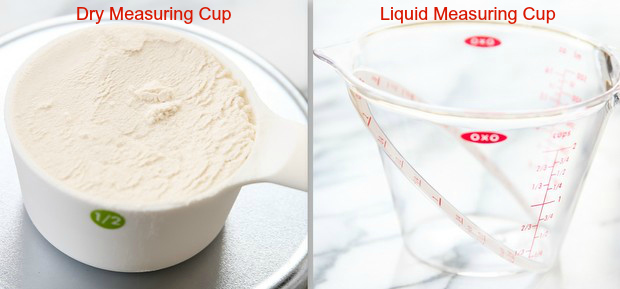
Liquid and dry cups look the same but work differently. Liquid cups measure fluids like water or milk. Dry cups measure solid ingredients like flour or sugar.
Liquid cups have space on top to avoid spilling. Dry cups are meant to be filled and leveled off for accuracy.
Common Cup Measurements
| Measurement | Equivalent |
| 1 cup | 16 tablespoons |
| 1 cup | 8 fluid ounces |
| 1/2 cup | 8 tablespoons |
| 1/4 cup | 4 tablespoons |
| 1/3 cup | 5 tablespoons + 1 teaspoon |
Why Cup Measurements Matter
Cup measurements help cooks add the right amount of ingredients. This is important for making food turn out well.
Using cups makes recipes easier to follow. It also helps people cook the same way every time.
Accuracy In Recipes
Measuring ingredients with cups gives more exact amounts. This stops mistakes like adding too much or too little.
Accurate measurements make sure the recipe works as expected. This is key for baking and cooking success.
Consistency In Cooking
Using cups helps cooks make food the same way every time. This means meals taste similar each time they are made.
Consistency builds trust in recipes. It also helps when sharing recipes with others.
Impact On Taste And Texture
The right cup measurement affects how food tastes and feels. Too much or too little changes the final dish.
Correct measurements keep the texture smooth and taste balanced. This makes food enjoyable to eat.
Measuring Techniques
Measuring ingredients correctly is important in cooking. Using the right tools helps get good results.
Cup measurements are common in many recipes. Knowing how to use cups properly makes cooking easier.
Using Liquid Measuring Cups
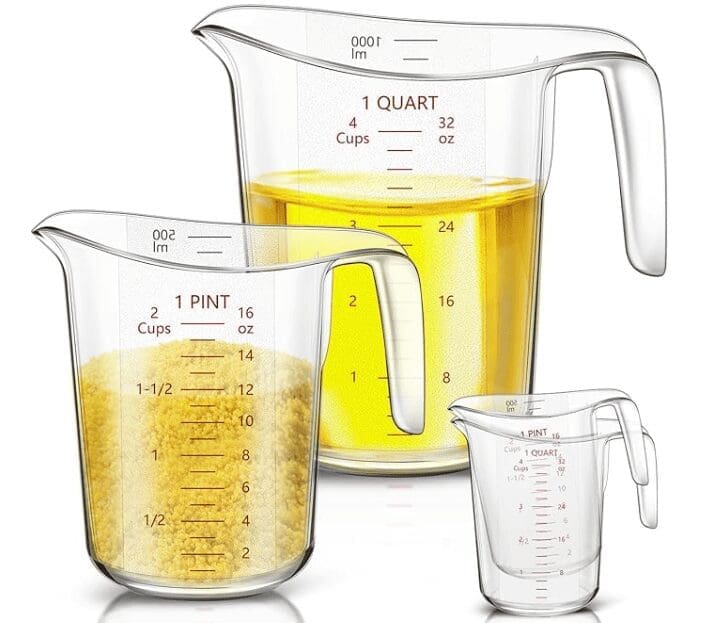
Liquid measuring cups are made of clear glass or plastic. They have a spout for easy pouring.
Pour the liquid into the cup. Place the cup on a flat surface to read the measurement.
- Check the measurement at eye level
- Look at the bottom of the liquid curve (meniscus)
- Use cups marked for liquids only
Using Dry Measuring Cups
Dry measuring cups are usually metal or plastic. They come in sets with different sizes.
Fill the cup with the dry ingredient. Use a spoon to add or remove to avoid packing the ingredient.
- Fill the cup slightly above the rim
- Do not shake or tap the cup
- Use dry cups only for powders and grains
Leveling Off Ingredients
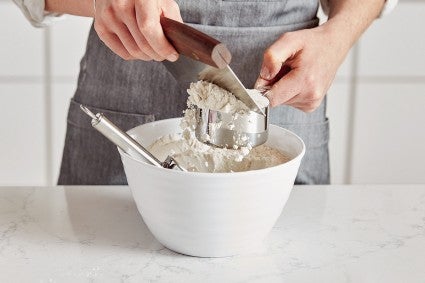
Leveling off means making the ingredient even with the cup rim. This gives an exact measurement.
Use a flat edge like the back of a knife. Sweep it across the top of the cup to remove extra.
- Helps avoid too much ingredient
- Important for baking accuracy
- Works for flour, sugar, and other dry items
Credit: www.kingarthurbaking.com
Converting Cup Measurements
Cup measurements are common in cooking recipes. They help measure ingredients quickly. Sometimes, you need to convert cups to other units.
Converting cup measurements helps with accuracy in cooking and baking. It ensures the recipe turns out well every time.
Cups To Milliliters
Milliliters (ml) measure liquid volume. Cups also measure liquid but in larger amounts. One cup equals 240 milliliters in the US.
Use this to convert cups to milliliters for liquids like water, milk, or oil.
- 1 cup = 240 milliliters
- ½ cup = 120 milliliters
- ¼ cup = 60 milliliters
Cups To Grams
Grams measure weight, not volume. Cups measure volume, so conversion depends on the ingredient.
For example, 1 cup of flour weighs about 120 grams. 1 cup of sugar weighs about 200 grams.
| Ingredient | 1 Cup (grams) |
|---|---|
| All-purpose flour | 120 g |
| Granulated sugar | 200 g |
| Butter | 227 g |
| Brown sugar | 220 g |
Using Conversion Charts
Conversion charts list common ingredients and their cup to gram or milliliter values. They save time and reduce mistakes.
You can print these charts or keep them on your phone while cooking. They help with both dry and liquid ingredients.
- Look for charts that match your recipe’s ingredients
- Check if the chart uses US or metric cups
- Use charts to double-check measurements
Common Mistakes To Avoid
Cup measurement is a common method in cooking to measure ingredients. Many cooks make mistakes that affect the final dish. Knowing these mistakes helps you get better results.
Using cups correctly means understanding how ingredients behave and how to measure them properly. Avoid these common errors to improve your cooking.
Overpacking Dry Ingredients
Overpacking dry ingredients like flour or sugar changes the amount you use. It can make your dish too dense or too sweet. Spoon the ingredient into the cup and level it off without pressing down.
- Do not scoop directly with the cup
- Use a spoon to fill the cup lightly
- Level the top with a flat edge
- Avoid shaking or tapping the cup to settle
Ignoring Ingredient Density
Different ingredients have different densities. One cup of flour weighs less than one cup of brown sugar. Using volume alone can cause errors in recipes that depend on weight.
| Ingredient | Density (grams per cup) | Effect of Ignoring Density |
| All-purpose flour | 120 | May make baked goods dry if overpacked |
| Brown sugar | 220 | Too sweet or heavy if measured like flour |
| Chopped nuts | 130 | Can change texture if packed wrong |
Mixing Measurement Systems
Recipes use different measurement systems like US cups, metric cups, or weight. Mixing these systems causes wrong amounts and bad results. Always check the system before measuring.
- Use a kitchen scale for accuracy
- Convert measurements before starting
- Stick to one system per recipe
- Use correct measuring tools for wet and dry items
Credit: foodnutters.com
Tools To Simplify Cup Measurements
Cup measurement is a common way to measure ingredients in cooking. Using the right tools makes measuring easier and accurate.
These tools help you get the right amount of ingredients for your recipes. They save time and reduce mistakes.
Measuring Cups Sets
Measuring cups sets include cups of different sizes to measure dry or liquid ingredients. They usually come in 1 cup, 1/2 cup, 1/3 cup, and 1/4 cup sizes.
These cups are easy to use and help you measure exact amounts. Look for cups with clear markings for better accuracy.
- Clear volume marks on the side
- Made from plastic, metal, or glass
- Use for dry or liquid ingredients
- Stackable for easy storage
Digital Scales
Digital scales measure the weight of ingredients. They give very precise results, which is good for baking and cooking.
You just place your bowl on the scale, zero it out, and add ingredients to get the exact weight. This helps avoid errors from cup measurements.
- Measures in grams, ounces, and pounds
- Easy to clean and use
- Helps with recipes needing exact amounts
- Can measure small or large quantities
Measuring Spoons
Measuring spoons come in sets with sizes like 1 tablespoon, 1 teaspoon, and smaller fractions. They are used for small ingredient amounts.
These spoons help measure spices, baking powder, and liquids that need precise small amounts. They are simple and handy.
- Common sizes: 1 tbsp, 1 tsp, 1/2 tsp, 1/4 tsp
- Made from metal or plastic
- Useful for baking and cooking spices
- Often come on a ring for easy storage
Frequently Asked Questions
What Does Cup Measurement Mean In Cooking?
Cup measurement is a volume unit used to measure ingredients in cooking. It helps ensure accurate recipes. One cup equals 240 milliliters in the US. It simplifies portion control and ingredient consistency for better cooking results.
How Many Milliliters Are In One Cup?
One US cup equals 240 milliliters. This standard helps convert recipes between metric and US systems. Knowing this makes measuring liquids and dry ingredients easier. It ensures precise ingredient amounts for consistent cooking outcomes.
Why Is Cup Measurement Important In Recipes?
Cup measurement provides consistency and accuracy in recipes. It helps cooks follow instructions easily. Using cups avoids guesswork and reduces errors. This leads to reliable cooking results and improved dish quality every time you cook.
Are Cup Measurements The Same Worldwide?
No, cup sizes vary globally. The US cup is 240 ml, while the UK cup is 284 ml. Australia uses 250 ml for its cup. Always check the recipe’s country to use the correct cup size for accuracy.
Conclusion
Understanding cup measurement helps you cook and bake with confidence. It makes recipes easier to follow. Using the right cup size avoids mistakes and saves time. Measuring cups come in different types for dry and liquid ingredients. Always level off dry ingredients for accuracy.
This simple step improves the taste and texture of your dishes. Remember, practice makes perfect. Soon, you will measure ingredients quickly and correctly. Cooking becomes more enjoyable and less stressful this way.