Are you wondering how many watts a 6000 BTU air conditioner uses? Knowing this can help you save money on your electricity bill and choose the right unit for your space.
If you want to keep cool without wasting power, understanding the energy consumption is key. You’ll discover exactly how much electricity a 6000 BTU air conditioner needs and tips to use it efficiently. Keep reading—you’ll learn how to stay comfortable while keeping your energy costs low.
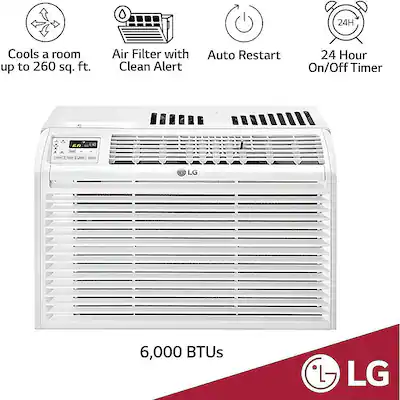
Credit: www.bestbuy.com
Btu And Watt Relationship
BTUstands for British Thermal Unit. It measures the amount of heat an air conditioner can remove from a room in one hour. A 6000 BTU air conditioner cools a small to medium-sized room efficiently.
To find out how many watts a 6000 BTU air conditioner uses, it helps to know the conversion rate. 1 BTU per hour equals about 0.293 watts. This means a 6000 BTU unit uses approximately 1758 watts. This is the power it needs to run and cool the space.
Efficiency plays a key role. Two air conditioners with the same BTU may use different watts. This depends on the Energy Efficiency Ratio (EER)or Seasonal Energy Efficiency Ratio (SEER). Higher EER or SEER means less power is used for the same cooling.
Energy Consumption Of 6000 Btu Ac
A 6000 BTU air conditioner usually uses about 500 to 700 wattswhen running. This depends on the model and efficiency. The average wattage helps understand how much electricity it needs.
Power use changes with the AC mode:
- Cooling mode:Uses the highest power, around 500-700 watts.
- Fan-only mode:Uses less power, about 50-100 watts.
- Energy-saving mode:Can reduce power use by 20-30%.
Even when off, the AC uses some energy in standby mode. Standby power is usually 1 to 5 watts. This small use helps the remote control and display work.
Factors Affecting Power Usage
The power usageof a 6000 BTU air conditioner changes based on several factors. Room sizeis key. A bigger room needs more power to cool. Good insulationkeeps cool air inside and saves energy. Poor insulation means the air conditioner works harder.
Temperature settingsalso matter. Lowering the temperature a lot uses more watts. Setting a moderate temperature saves power and still keeps you cool.
Usage patternsaffect total power use. Running the AC all day uses more electricity than using it only when needed. Turning it off when no one is home reduces power consumption.

Credit: www.theapplianceplug.com
Energy Efficiency Ratings
Energy efficiency ratings show how much power an air conditioner uses to cool a space. A 6000 BTU unit usually consumes about 500 watts. Lower wattage means less electricity and lower bills.
Eer And Seer Explained
EERstands for Energy Efficiency Ratio. It shows how well an air conditioner cools per watt of power. A higher EER means better efficiency. SEERmeans Seasonal Energy Efficiency Ratio. It measures efficiency over a whole cooling season. SEER is often used for central air conditioners. Both ratings help compare energy use of different units.
Choosing Energy Efficient Models
Select air conditioners with a high EER or SEER rating. These models use less electricity to cool the same space. They save money and reduce energy waste. For a 6000 BTUair conditioner, look for an EER above 10 for better efficiency.
Impact On Electricity Bills
Energy efficient air conditioners lower electricity bills. They use less power to run. Even a small difference in EER or SEER can save money over time. Choosing the right unit helps keep your home cool and your bills low.
Tips To Reduce Ac Energy Use
Setting your air conditioner to 78°F (25-26°C)helps save energy. Cooler settings make the AC work harder and use more power. Adjusting the temperature by just a few degrees can reduce energy use.
Cleaning or replacing filters regularlyimproves airflow. Dirt blocks air and makes the AC less efficient. Check the coils and clear debris around the unit to keep it running smoothly.
- Use timers to switch off the AC when not needed.
- Smart controls can adjust settings based on your schedule.
- These help avoid running the AC all day and save energy.
Comparing 6000 Btu Ac To Other Sizes
A 6000 BTU air conditioner usually uses about 500 wattsof power. Other sizes use more or less watts:
| AC Size (BTU) | Approximate Wattage | Suitable Room Size |
|---|---|---|
| 5000 BTU | 400 watts | Small rooms, up to 150 sq ft |
| 6000 BTU | 500 watts | Small to medium rooms, 150-250 sq ft |
| 8000 BTU | 700 watts | Medium rooms, 250-350 sq ft |
| 10000 BTU | 900 watts | Large rooms, 350-450 sq ft |
Smaller AC units use less power but cool less space. Larger units use more watts but cool bigger rooms. Choosing the right size saves energy and money.
- 6000 BTUworks well for rooms around 200 sq ft.
- Using a bigger AC in a small room wastes power.
- Smaller ACs cost less but may not cool well in big spaces.
- Energy use rises with higher wattage units.

Credit: www.amazon.ca
Frequently Asked Questions
How Many Watts Does A 6000 Btu Air Conditioner Use?
A 6000 BTU air conditioner typically uses between 500 and 700 watts. This depends on the model and energy efficiency rating. On average, it consumes about 600 watts during operation, making it ideal for small rooms or offices.
Is 600 Watts Enough For A 6000 Btu Ac Unit?
Yes, 600 watts is generally enough to power a 6000 BTU air conditioner. This wattage supports efficient cooling for small spaces. However, energy consumption varies based on settings, usage duration, and room insulation quality.
Can A 6000 Btu Ac Cool A 300 Sq Ft Room?
Yes, a 6000 BTU air conditioner is suitable for cooling a room up to 300 square feet. It provides efficient cooling without consuming excessive energy. Proper insulation enhances its performance in such spaces.
How Does Energy Efficiency Affect 6000 Btu Ac Wattage?
Energy efficiency ratings like EER and SEER impact wattage usage. Higher efficiency models consume fewer watts for the same cooling output. Choosing an energy-efficient 6000 BTU AC can reduce electricity bills significantly.
Conclusion
A 6000 BTU air conditioner usually uses about 500 watts. This number can change based on the model and settings. Knowing the wattage helps plan your electricity use. It also guides you in choosing the right power source. Small units like this save energy and cool small rooms well.
Always check the product details before buying. This way, you avoid surprises on your electric bill. Understanding watts and BTUs makes cooling easier and smarter. Keep these points in mind for better comfort and savings.