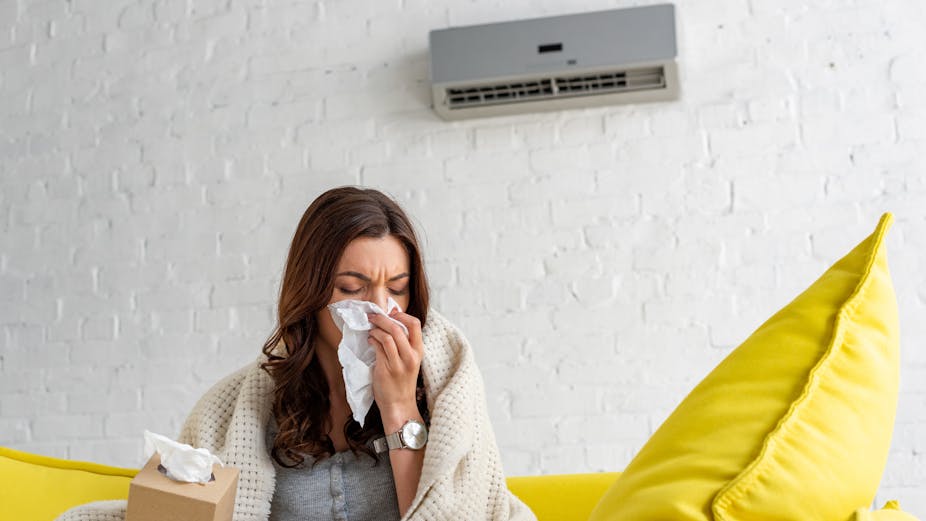
Have you ever felt under the weather after spending time in an air-conditioned room? You might be wondering if your air conditioner is actually making you sick.
It’s a question many people ask but few truly understand. The truth is, your AC can affect your health in surprising ways—sometimes for the worse. But how exactly does this happen? And what can you do to protect yourself? Keep reading to uncover the hidden risks and simple solutions that can keep your air conditioner from turning against you.
How Air Conditioners Affect Health
Air conditionerscan trap dust, pollen, and mold spores. These airborne allergensmay cause allergic reactionsor worsen asthma. Poorly maintained units can blow these irritants indoors, affecting air quality.
The respiratory systemmay react to cold, dry air from ACs. This can cause coughing, throat irritation, and breathing problems. People with lung conditions may feel worse.
ACs can dry out the skin and eyes. This leads to dryness, itchiness, and redness. Sensitive skin may become irritated. Using a humidifier can help balance moisture levels.

Credit: globalcoolair.com.au
Common Air Conditioner Related Illnesses
Cold and flu symptomscan worsen due to air conditioner use. Cold air can dry your nose and throat. This dryness makes it easier for viruses to enter your body. Poorly cleaned AC units can spread germs, causing cough, sneezing, and sore throat.
Legionnaires’ diseaseis a serious illness linked to air conditioners. It happens when bacteria grow in water parts of the AC. Breathing in this bacteria can cause severe lung infection. Symptoms include fever, cough, and muscle pain.
Dryness and dehydrationare common in air-conditioned rooms. AC removes moisture from the air. This can lead to dry skin, eyes, and throat. Drinking water often helps prevent dehydration and keeps you comfortable.
Factors That Increase Health Risks
Poor maintenanceand dirty filterstrap dust, mold, and bacteria inside the AC unit. These particles can spread through the air and cause allergiesor breathing problems. Regular cleaning is important to keep the air fresh.
Improper temperature settingscan also harm health. Too cold air may cause coldsor muscle stiffness. Too warm air may lead to sweatingand discomfort. Keeping the temperature balanced helps avoid sickness.
Lack of ventilationmeans the same indoor air keeps circulating. This can increase humidityand mold growth. Poor airflow also traps germs and viruses. Good ventilation brings fresh air and reduces health risks.

Credit: theconversation.com
Preventing Health Issues From Air Conditioning
Regular cleaning and maintenanceof air conditioners help keep the air fresh. Dust and mold can build up inside. These can cause allergies and breathing problems. Changing or cleaning filters often prevents this. Servicing the unit yearly keeps it working well.
Using humidifiersadds moisture to dry air. Dry air can irritate the skin and throat. Good ventilationbrings fresh air inside. It stops stale air from staying in the room.
| Setting | Ideal Range | Why? |
|---|---|---|
| Temperature | 22-25°C (72-77°F) | Comfortable and safe for health |
| Humidity | 40-60% | Prevents dryness and mold growth |
When To See A Doctor
Persistent cough, wheezing, or shortness of breathcould mean AC-related issues. Visit a doctor if these last more than a few days.
People with chronic respiratory conditionslike COPD or bronchitis should watch for worsening symptoms. AC units can circulate dust and mold, triggering flare-ups.
Allergy and asthma sufferers need to keep air filters clean and check for symptoms such as:
- Runny or stuffy nose
- Itchy, watery eyes
- Chest tightness or difficulty breathing
See a healthcare provider if symptoms do not improve or get worse after using AC. Early care helps prevent serious problems.

Credit: www.1news.co.nz
Frequently Asked Questions
Can Air Conditioners Cause Respiratory Problems?
Yes, poorly maintained air conditioners can spread bacteria and mold. This may trigger allergies, asthma, or respiratory infections. Regular cleaning and filter changes reduce risks.
How Do Air Conditioners Affect Indoor Air Quality?
Air conditioners can trap dust, pollen, and pollutants indoors. Without proper ventilation, indoor air quality worsens, causing discomfort or illness. Proper maintenance improves air freshness.
Can Cold Air From Ac Make You Sick?
Cold air itself doesn’t cause illness, but sudden temperature changes can stress the body. This might weaken immunity, making you more prone to infections.
How Often Should Ac Filters Be Cleaned?
AC filters should be cleaned or replaced every 1 to 3 months. Frequent cleaning ensures efficient airflow and reduces allergens and germs in the air.
Conclusion
Air conditioners can affect your health if not used properly. Regular cleaning helps keep the air fresh and safe. Poor maintenance may cause allergies or breathing problems. Using an air conditioner wisely brings comfort without sickness. Stay aware of air quality and change filters often.
Enjoy cool air without risking your health. Simple care makes a big difference every day. Keep your home cool and your body healthy.