Choosing the right air conditioner for your 2000 square feet space can feel confusing. You want your home to stay cool and comfortable without wasting energy or money.
But how do you know how many tons of cooling power you actually need? If you pick an AC that’s too small, your home will never feel truly cool. Too big, and you’ll pay more upfront and face higher bills.
Keep reading, and you’ll discover the simple way to find the perfect air conditioner size for your space—so you can enjoy cool comfort all year long without any guesswork.
Credit: coolbydesignfl.com
Factors Affecting Ac Size
Room insulationcontrols how much cool air stays inside. Poor insulation means more cooling power is needed.
Sunlight exposureheats the room. Rooms with many windows or direct sun need a stronger AC.
Ceiling heightaffects the air volume in the room. Higher ceilings require more cooling capacity.
Occupant densityadds to the heat inside. More people produce more body heat, increasing AC needs.
Appliance heat outputraises the room temperature. Devices like ovens and computers add to the cooling load.
Calculating Cooling Load
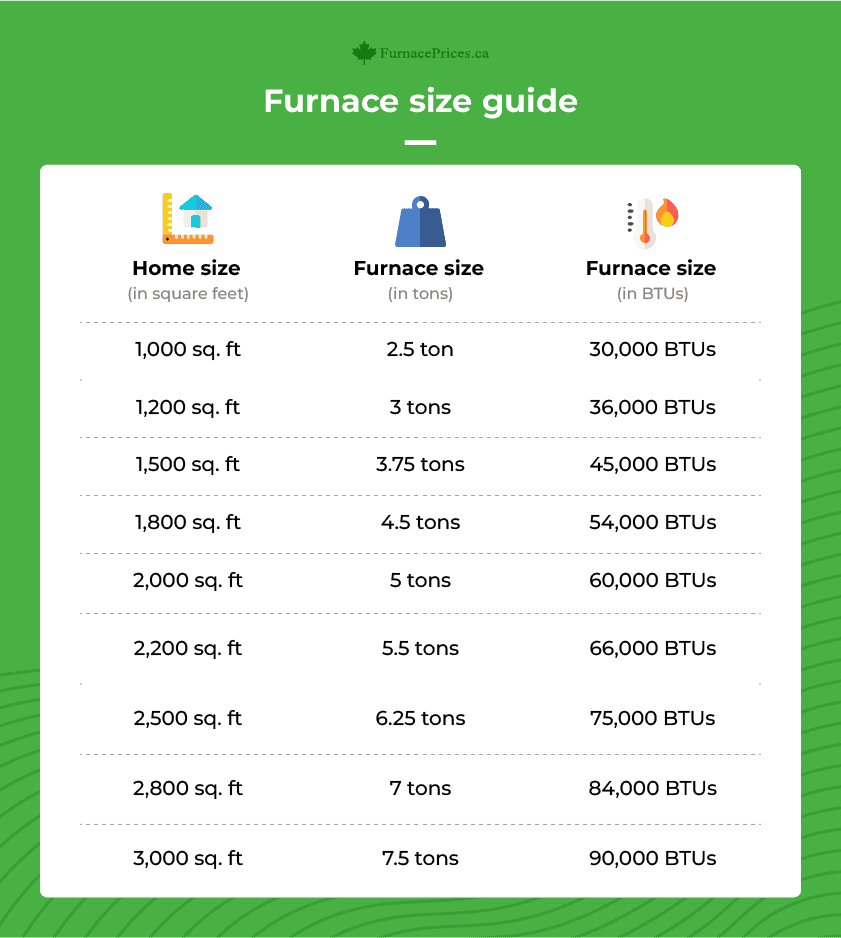
To find the right air conditioner sizefor 2000 square feet, use the basic rule of 20 BTU per square foot. This means a 40,000 BTUunit, or about 3.3 tons, is needed.
Climate affects cooling needs. In hotter areas, add about 10-20% more BTU. Cooler climates may need less power.
Extra heat sources also matter. Kitchens, many electronics, or large windows increase heat inside. Add more cooling power to handle this.
| Factor | Adjustment |
|---|---|
| Basic Cooling Load | 20 BTU per sq ft |
| Climate | +10-20% BTU for hot areas |
| Additional Heat | Add BTU for kitchens, electronics, windows |
Recommended Ac Ton For 2000 Sq Ft
A 2000 square feet space usually needs an air conditionerwith about 3.5 to 4 tonscapacity. This size helps cool the area well without wasting energy. Smaller units may not cool properly, while bigger ones can cause high electricity bills.
Standard Ton Guidelines
- 1 ton cools about 400-500 square feet.
- For 2000 sq ft, 4 tons is often ideal.
- Adjust size if ceilings are high or insulation is poor.
Energy Efficiency Considerations
Choose an AC with a good SEER rating(Seasonal Energy Efficiency Ratio). Higher SEER means lower electricity use. Look for units with Energy Starlabels to save money. Proper insulation and shading also help reduce cooling needs.
Credit: www.carrier.com
Types Of Air Conditioners
Central ACcools the whole house with one system. It uses ducts to send cool air to every room. It is good for big homes but costs more to install.
Split AChas two parts: one outside and one inside. It cools one or two rooms well. It does not need ducts and is easier to install than central AC.
Window Unitsfit in a window. They cool one room only. These units are cheaper and easy to install but can be noisy.
Energy Savings Tips
Proper maintenancekeeps your air conditioner running well. Clean or replace filters regularly. Clear debris from the outdoor unit. This helps the system cool more efficiently and use less energy.
Smart thermostat usesaves energy by setting temperatures wisely. Set the thermostat higher when you are not home. Use a programmable thermostat to adjust cooling times. This lowers electricity bills without losing comfort.
Sealing and insulationstop cool air from escaping. Check doors and windows for leaks. Use weather stripping or caulk to seal gaps. Proper insulation in walls and attic keeps your home cooler longer and reduces AC work.

Credit: northnjhvac.com
Common Mistakes To Avoid
Oversizing the unitcan cause frequent short cycling. It wastes energy and raises electricity bills. A large air conditioner cools the room too fast but does not remove humidity well. This makes the space feel damp and uncomfortable.
Ignoring ventilationreduces cooling efficiency. Proper airflow helps the air conditioner work better. Blocked vents or closed doors trap heat inside rooms. This forces the unit to work harder and use more power.
Neglecting regular servicingshortens the lifespan of the air conditioner. Dust and dirt build up on filters and coils. This lowers cooling capacity and raises energy use. Cleaning and checking the unit often keeps it running smoothly and saves money.
Frequently Asked Questions
How Many Tons Ac For 2000 Sq Ft Home?
A 2. 5 to 3-ton air conditioner is ideal for a 2000 sq ft home. This size efficiently cools the space without wasting energy or money.
What Factors Affect Ac Tonnage For 2000 Sq Ft?
Insulation, ceiling height, sun exposure, and climate affect AC tonnage. These factors can increase or decrease the cooling capacity needed for 2000 sq ft.
Can A 2-ton Ac Cool 2000 Square Feet?
A 2-ton AC may struggle to cool 2000 sq ft effectively. It can lead to longer run times and uneven cooling in larger spaces.
How To Calculate Ac Tonnage For 2000 Sq Ft?
Multiply square footage by 25 BTU to estimate cooling needs. For 2000 sq ft, this equals 50,000 BTU or about 2. 5 tons of AC capacity.
Conclusion
Choosing the right air conditioner size helps keep your home cool and saves energy. For 2000 square feet, a 3 to 3. 5-ton unit usually works best. Too small or too large units cause problems and waste money. Consider your room layout, insulation, and climate too.
Proper size means better comfort and lower bills. Take time to find the right fit. A well-chosen air conditioner makes summer days easier to enjoy.