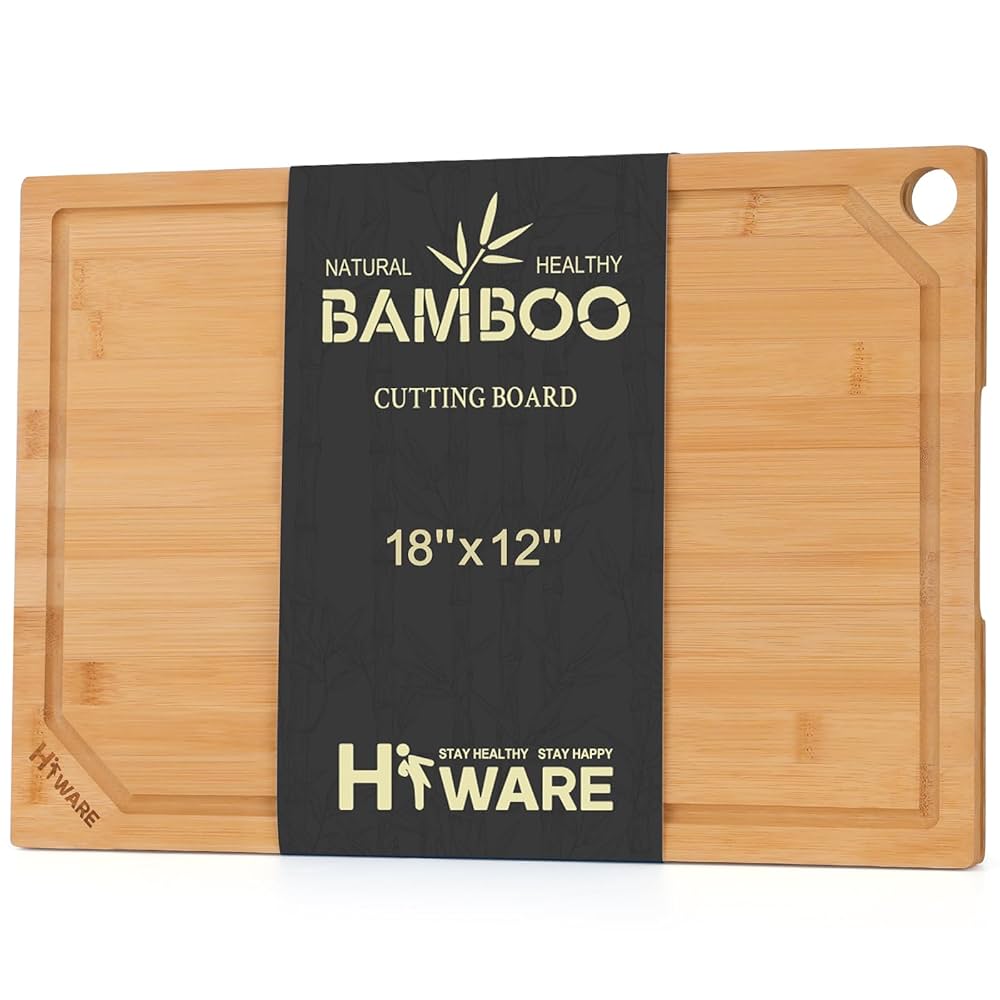
Choosing the healthiest cutting board for your kitchen is more important than you might think. You use it every day to prepare your meals, so it needs to be safe, durable, and easy to clean.
But with so many options out there, how do you know which one protects your food and your health the best? You’ll discover the key factors that make a cutting board truly healthy. By the end, you’ll feel confident picking the perfect board that keeps your kitchen safe and your cooking enjoyable.
Keep reading to find out what you should look for and why it matters to you.
Credit: www.surlatable.com
Materials And Health Impact
Choosing the right cutting board affects food safety and health. Different materials have unique features and risks.
This guide covers wood, plastic, bamboo, glass, and metal boards. Learn how each material impacts your kitchen health.
Wood Types And Benefits
Wood cutting boards come from many tree types. They are gentle on knives and naturally resist bacteria.
- Maple: Dense and durable, good at hiding knife marks.
- Walnut: Dark wood with natural oils that resist germs.
- Cherry: Smooth surface that ages well over time.
- Teak: Contains natural oils that repel water and bacteria.
Plastic Boards And Safety
Plastic boards are lightweight and easy to clean. They can be sanitized with hot water and bleach.
- Safe if cleaned thoroughly after each use.
- Can develop deep grooves that hold bacteria.
- Less durable than wood and may wear faster.
Bamboo As An Alternative
Bamboo cutting boards are eco-friendly and hard. They resist water but can dull knives quickly.
Bamboo is harder than many woods and less porous than plastic. It is a good choice for health and environment.
Glass And Metal Considerations
Glass and metal boards look modern but have downsides. They can damage knives and cause food to slip.
| Material | Health Impact | Effect on Knives |
| Glass | Non-porous and easy to clean | Can dull or chip blades quickly |
| Metal | Non-porous and hygienic | Hard surface can damage knives |

Credit: www.greenwashingindex.com
Bacteria And Hygiene
Choosing the healthiest cutting board helps keep your kitchen clean. Bacteria can grow on cutting boards and cause foodborne illnesses.
Understanding how bacteria grow and how to clean your board keeps your food safe. This guide covers key points about cutting board hygiene.
Porosity And Bacteria Growth
Porosity means how many tiny holes or pores a material has. Cutting boards with many pores can trap bacteria inside. Wood boards are more porous than plastic or glass. Bacteria can hide deep in wood pores and avoid cleaning.
Plastic boards have fewer pores but can get deep cuts that hold bacteria. Glass and bamboo boards have very low porosity and do not trap bacteria easily.
Cleaning And Maintenance Tips
Proper cleaning removes bacteria and keeps your cutting board safe. Use hot soapy water after each use. Sanitize boards regularly to kill germs. Replace boards that have many deep cuts.
- Wash with hot water and soap after each use.
- Sanitize with a vinegar or bleach solution weekly.
- Dry completely before storing to prevent bacteria growth.
- Replace boards that show deep knife marks.
- Use separate boards for raw meat and vegetables.
Antimicrobial Properties
| Material | Antimicrobial Quality | Notes |
| Bamboo | Moderate | Natural oils slow bacteria growth |
| Wood (Maple, Teak) | Good | Some woods have natural bacteria resistance |
| Plastic | None | Easy to clean but no natural protection |
| Glass | None | Non-porous and easy to sanitize |
Durability And Longevity
Choosing the healthiest cutting board means looking at how long it lasts. Durability and longevity keep your kitchen safe and clean for many years. The right cutting board resists damage and stays strong.
Below, we explore key factors that affect a cutting board’s lifespan. These include its resistance to cuts, warping problems, and maintenance tips.
Resistance To Cuts And Scratches
A cutting board must handle knife cuts without deep grooves. Cuts can trap bacteria and make cleaning hard. Some materials handle cuts better than others.
- Hardwoods like maple resist cuts well.
- Bamboo is hard and less prone to scratches.
- Plastic boards can show cuts but are easy to clean.
- Glass boards resist cuts but can dull knives.
Warping And Cracking Issues
Cutting boards can warp or crack if exposed to water or heat. This damage shortens their life and may cause bacteria growth. Knowing which boards resist warping helps you choose well.
| Material | Warping Resistance | Cracking Risk |
|---|---|---|
| Maple Wood | High | Low |
| Bamboo | Medium | Medium |
| Plastic | Low | Low |
| Glass | High | High (can break) |
Maintenance For Extended Use
Proper care keeps your cutting board safe and lasting longer. Each material needs different cleaning and oiling routines.
- Wood boards need regular oiling to prevent drying and cracking.
- Plastic boards should be washed with hot, soapy water after use.
- Avoid soaking wood boards in water to stop warping.
- Glass boards need gentle cleaning to avoid chips and cracks.
Environmental Impact
Choosing the healthiest cutting board means thinking about the environment. Different materials affect nature in various ways. This guide covers key points on environmental impact.
We look at the sustainability of materials, how boards are made, and what happens after use. These factors help you pick a cutting board that is good for the planet.
Sustainability Of Materials
Cutting boards come in wood, bamboo, plastic, and composite. Some materials use fewer resources and last longer. Sustainable materials reduce harm to forests and wildlife.
- Wood:Comes from trees but can be renewable if harvested responsibly.
- Bamboo:Grows fast and needs less water, making it eco-friendly.
- Plastic:Made from fossil fuels and can pollute oceans.
- Composite:Made from recycled materials but may not break down easily.
Eco-friendly Manufacturing
How a cutting board is made changes its environmental footprint. Less energy and fewer chemicals mean a greener product. Factories using clean energy and low waste are better choices.
| Manufacturing Step | Eco-Friendly Practice |
| Material Sourcing | Using certified wood or bamboo |
| Processing | Low energy machines and water recycling |
| Finishing | Natural oils instead of synthetic coatings |
| Packaging | Recycled and minimal materials |
Disposal And Recycling
Disposing of cutting boards affects the environment. Some boards break down naturally. Others add waste to landfills. Recycling options vary by material and local facilities.
Tips for disposal:
- Wood and bamboo boards can be composted if untreated.
- Plastic boards should be recycled if the facility accepts them.
- Check local rules for composite material recycling.
- Repair or repurpose old boards to extend use.
Top Picks For Healthiest Boards
Choosing a healthy cutting board is key for safe food preparation. The right board helps prevent germs and keeps food fresh.
Different materials offer unique benefits. Wood, plastic, and bamboo all have options that are easy to clean and durable.
Best Wood Cutting Boards
Wood boards are gentle on knives and naturally resist bacteria. Hardwoods like maple and walnut are top choices.
These boards need regular oiling to stay in good shape. They last long and look nice in any kitchen.
- Maple: Tight grain, easy to clean
- Walnut: Durable and naturally antimicrobial
- Cherry: Smooth surface, gentle on knives
Best Plastic Cutting Boards
Plastic boards are lightweight and dishwasher safe. They are good for raw meat and easy to sanitize.
Look for boards made from high-density polyethylene. They resist cuts and prevent bacteria buildup.
- High-density polyethylene: Durable and safe
- Non-porous surface: Prevents germs
- Dishwasher safe: Easy to clean
Best Bamboo Cutting Boards
Bamboo is eco-friendly and harder than many woods. It resists water and reduces knife marks.
Bamboo boards need less oiling and dry quickly. They are a good choice for healthy kitchens.
- Eco-friendly and sustainable
- Resistant to moisture and stains
- Less prone to bacteria growth
Specialty Boards For Specific Needs
Some boards fit special kitchen tasks. These include boards with juice grooves or color-coded sets.
Color-coded boards help prevent cross-contamination. Juice grooves catch liquids from meats and fruits.
- Boards with juice grooves: Keep counters clean
- Color-coded sets: Separate meats, veggies, and bread
- Flexible plastic mats: Easy to store and clean
- Antimicrobial treated boards: Extra germ protection
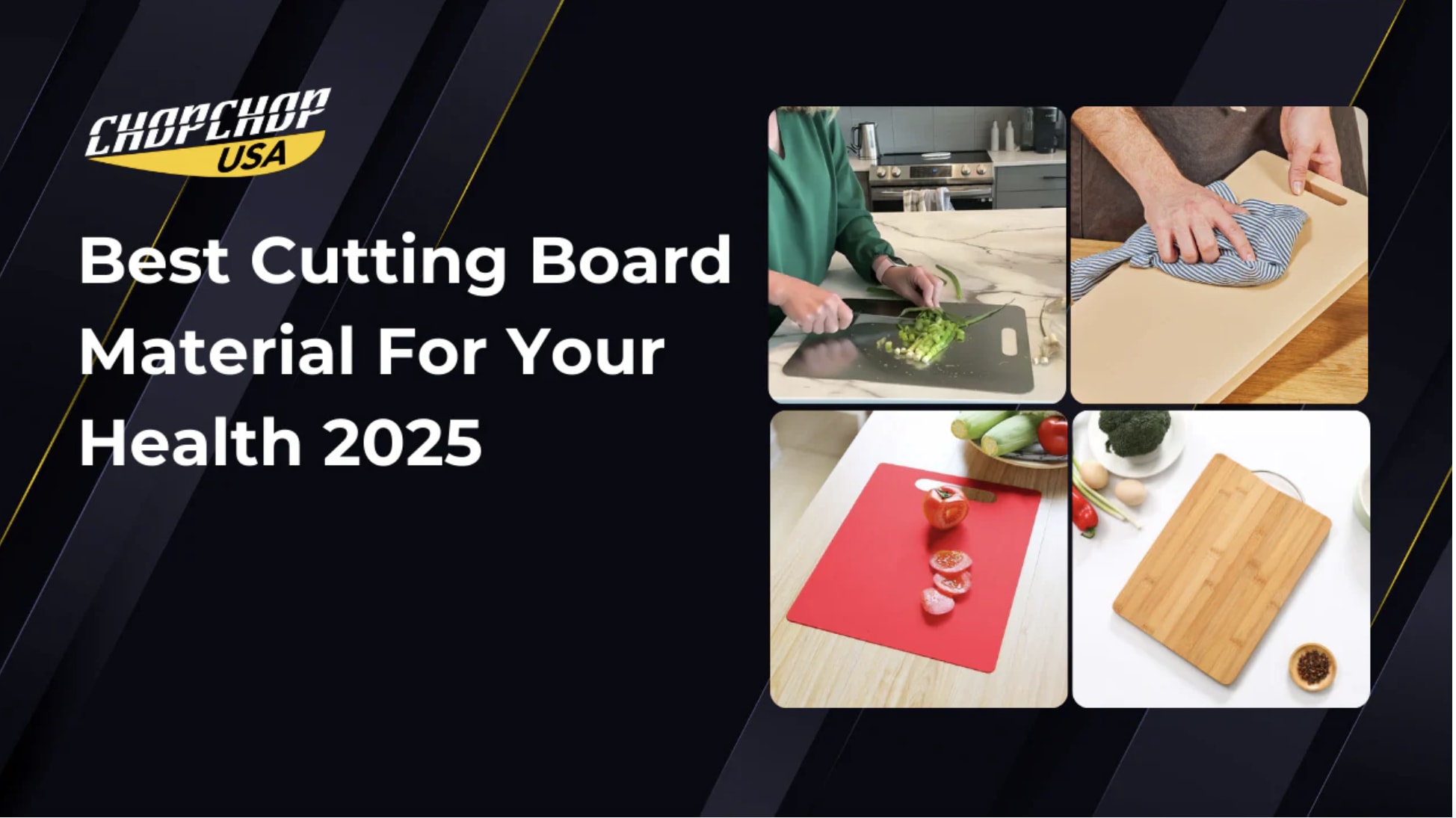
Credit: vocal.media
Choosing The Right Board For You
Choosing a healthy cutting board means picking one that is safe and fits your needs. Different boards suit different cooking habits and budgets.
Think about how you cook, how much space you have, and what you can spend. This will help you find the best board for your kitchen.
Matching Board To Cooking Style
If you cut a lot of meat, a plastic or bamboo board is good. They are easy to clean and stop bacteria from growing.
If you mostly cut fruits or bread, a wooden board works well. Wood is gentle on knives and looks nice on the table.
- Plastic boards: Best for raw meat and easy cleaning
- Bamboo boards: Eco-friendly and resistant to moisture
- Wooden boards: Great for fruits, vegetables, and bread
Budget Considerations
Cutting boards come in many prices. Simple plastic boards cost less but may wear out fast. Wooden and bamboo boards often cost more but last longer.
Think about how often you cook and how much you want to spend. A good board is an investment in kitchen safety.
- Plastic boards: Affordable and easy to replace
- Bamboo boards: Mid-range price with good durability
- Wooden boards: Higher price but very durable
Size And Portability
Choose a board size that fits your kitchen space. Large boards give more cutting space but take up more room. Small boards are easier to store and carry.
If you cook away from home, pick a light and portable board. This makes it easy to bring your own board when camping or traveling.
- Large boards: Best for big kitchens and meal prep
- Medium boards: Good for everyday cooking
- Small boards: Easy to store and carry
Frequently Asked Questions
What Material Is Best For A Healthy Cutting Board?
Wood and bamboo are healthiest due to natural antimicrobial properties. They resist bacteria growth better than plastic or glass. Regular oiling also maintains their surface and hygiene.
How Often Should I Clean My Cutting Board?
Clean cutting boards after every use with hot soapy water. Sanitizing weekly with vinegar or diluted bleach helps kill bacteria. Proper drying prevents mold and warping.
Are Plastic Cutting Boards Unhealthy To Use?
Plastic boards can harbor bacteria in deep cuts. They are dishwasher safe, which helps sanitize. However, frequent replacement is recommended to maintain hygiene.
Can Glass Cutting Boards Damage Knives?
Glass boards are hygienic but hard and can dull knives quickly. They are easy to clean but not ideal for knife longevity.
Conclusion
Choosing the healthiest cutting board helps keep food safe and clean. Wood and plastic boards each have their own benefits. Wood boards resist bacteria naturally and last long with care. Plastic boards are easy to clean and dishwasher safe. Always clean your board well after use.
Replace boards that show deep cuts or stains. A good cutting board supports healthy cooking habits. Your kitchen stays safer with the right choice. Simple care keeps your board in good shape. Make your cooking space both safe and smart.