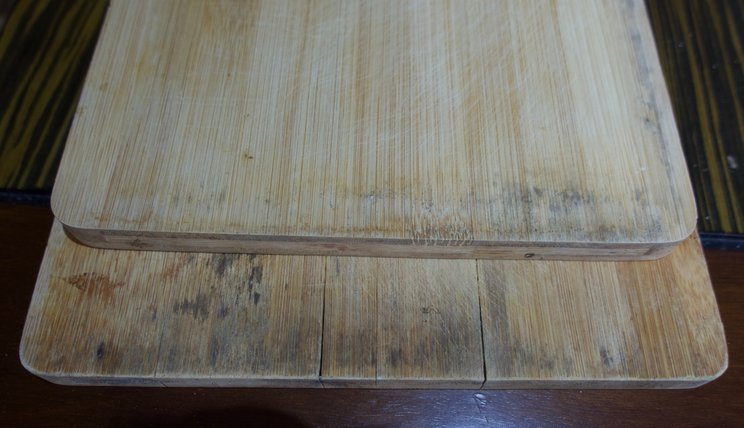
When it comes to preparing your meals, the cutting board you use plays a bigger role than you might think. You want a surface that keeps your food safe and your kitchen clean.
But with so many options out there, how do you know which cutting board is truly the most sanitary? Choosing the right one can protect you and your family from harmful bacteria and make your cooking routine easier. Keep reading to discover the best cutting board for your health and peace of mind.
Types Of Cutting Boards
Choosing a cutting board can affect kitchen hygiene. Different materials offer different levels of cleanliness and care.
We will explore the most common types of cutting boards and their sanitary qualities.
Wooden Boards
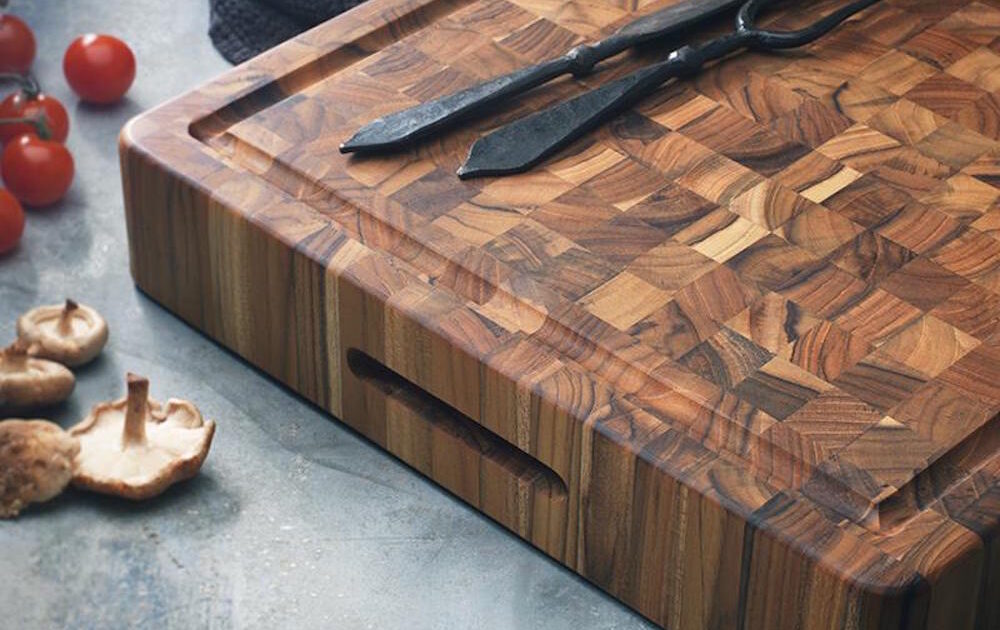
Wooden cutting boards are popular for their durability and appearance. They absorb some juices but can heal small cuts over time.
Wood has natural antimicrobial properties that help reduce bacteria growth. Regular oiling keeps the wood in good condition.
Plastic Boards
Plastic cutting boards are lightweight and easy to clean. Most can be washed in a dishwasher for better sanitation.
They can get deep cuts that may trap bacteria, so replacing them often is recommended. Using different boards for meat and vegetables helps prevent cross-contamination.
Bamboo Boards
Bamboo boards are harder than wood and resist knife marks well. They are eco-friendly and dry quickly, reducing bacteria growth.
Like wood, bamboo has natural antibacterial properties. They need regular cleaning and oiling to stay in good shape.
Glass And Composite Boards
Glass boards are very easy to clean and do not absorb liquids. They do not harbor bacteria but can dull knives quickly.
Composite boards combine materials like resin and wood fibers. They are durable and often dishwasher safe, making cleaning simple.
Credit: www.organicauthority.com
Sanitation Factors
Choosing the most sanitary cutting board depends on how clean it stays. Some materials hold bacteria more than others.
Understanding sanitation factors helps pick a board that is safe and easy to keep clean.
Porosity And Bacteria Growth
Porosity means how many tiny holes a cutting board has. More holes allow bacteria to hide inside.
Wood boards are porous and can trap germs. Plastic boards are less porous and hold fewer bacteria.
- Porous boards absorb juices and bacteria
- Non-porous boards resist bacteria buildup
- Regular cleaning reduces bacteria on all boards
Ease Of Cleaning
Cleaning a cutting board well stops bacteria growth. Some boards are easier to clean than others.
Plastic boards can go in the dishwasher for deep cleaning. Wood boards need hand washing and drying.
- Dishwasher safe boards clean better
- Hand wash wood boards with soap and hot water
- Dry boards fully to prevent germs
Resistance To Knife Marks
Knife marks create small cuts where bacteria grow. Boards that resist marks stay cleaner longer.
Hard plastic and wood boards can get deep cuts. Bamboo and some synthetic boards resist knife marks better.
- Knife marks trap bacteria and food particles
- Smoother surfaces are more sanitary
- Replace boards with many deep cuts
Expert Recommendations
Choosing the most sanitary cutting board is important for safe food preparation. Experts suggest focusing on materials and care to keep boards clean.
This guide covers preferred materials, maintenance tips, and when to replace cutting boards for the best hygiene.
Preferred Materials
Experts recommend certain materials because they resist bacteria and are easy to clean. Here are the best options:
- Plastic:Non-porous and dishwasher safe, plastic boards are good for raw meat.
- Bamboo:Naturally antimicrobial and durable, bamboo is eco-friendly.
- Hardwood:Dense woods like maple resist cuts and bacteria if maintained well.
- Composite:Made of resin and wood fibers, composite boards are durable and sanitary.
Maintenance Tips
Keeping cutting boards clean stops bacteria growth. Follow these tips for proper care:
- Wash boards with hot, soapy water after each use.
- Sanitize with a diluted bleach solution or vinegar regularly.
- Dry boards completely before storing to avoid moisture buildup.
- Use separate boards for raw meat and vegetables to prevent cross-contamination.
Replacing Cutting Boards
Replace cutting boards to keep your kitchen safe. Use this table to know when to get a new one:
| Condition | Action |
|---|---|
| Deep grooves or cuts | Replace to avoid bacteria hiding spots |
| Warped or cracked board | Replace to maintain stability and cleanliness |
| Persistent stains or odors | Replace as cleaning is ineffective |
| Excessive wear from years of use | Replace for best hygiene |
Health And Safety Tips
Choosing the most sanitary cutting board helps keep food safe. It reduces the risk of germs and bacteria.
Using proper cleaning, avoiding cross-contamination, and storing boards right are important steps.
Proper Cleaning Methods
Clean cutting boards after every use with hot, soapy water. Rinse well and dry completely.
Sanitize boards often to kill bacteria. Use a solution of one tablespoon bleach in one gallon of water.
- Wash with hot soapy water immediately after use
- Rinse thoroughly to remove soap
- Use bleach solution to sanitize weekly or after raw meat
- Air dry or use a clean towel
Cross-contamination Prevention
Use separate cutting boards for raw meat, vegetables, and cooked foods. This stops germs from spreading.
Label boards or use color-coded sets to keep foods separate. Always clean boards between uses.
- Keep raw meat boards away from fruits and veggies
- Use different colors or labels for each food type
- Clean boards well after each task
Storage Practices
Store cutting boards in a dry, clean place. Avoid stacking wet boards to stop mold and bacteria.
Keep boards upright or on racks for good air flow. Replace boards when they have deep cuts or cracks.
- Store boards dry and away from dirt
- Place boards upright or on racks
- Replace boards with many scratches or cracks
Innovations In Cutting Board Technology
Cutting boards are an essential kitchen tool. New technologies make them cleaner and safer. These changes help reduce germs and waste.
We will look at three main innovations. They include special treatments, smart features, and eco-friendly materials.
Antimicrobial Treatments
Many cutting boards now have antimicrobial coatings. These reduce bacteria growth on the surface. The treatments use silver ions or other safe chemicals.
The coatings help keep the board cleaner between washes. They lower the risk of food contamination. This is useful in busy kitchens.
Smart Cutting Boards
Smart cutting boards use technology to improve hygiene. Some have built-in sensors that detect germs. Others remind users to clean the board.
- Touch sensors to check for bacteria
- Bluetooth connection to kitchen apps
- Built-in timers for washing reminders
- LED lights indicating board status
These features help users maintain cleanliness. They also teach good kitchen habits.
Sustainable Options
| Material | Benefits | Cleaning |
| Bamboo | Renewable, lightweight | Hand wash only |
| Recycled Plastic | Durable, water-resistant | Dishwasher safe |
| Wood Composite | Strong, eco-friendly | Hand wash recommended |
Sustainable boards reduce waste and protect nature. They also last longer and resist bacteria better than cheap plastics.

Credit: blog.venturemagazine.net

Credit: vocal.media
Frequently Asked Questions
What Material Is The Most Sanitary For Cutting Boards?
Plastic and bamboo are the most sanitary materials. Plastic boards resist moisture and are dishwasher-safe. Bamboo is naturally antimicrobial and easy to clean, reducing bacteria buildup effectively.
How Often Should You Replace A Cutting Board?
Replace cutting boards every 1-2 years or when deep grooves appear. Worn boards harbor bacteria that regular cleaning cannot remove, risking food contamination.
Can Wooden Cutting Boards Be Sanitary?
Yes, wooden boards can be sanitary if cleaned properly. They have natural antimicrobial properties but require thorough drying and regular oiling to prevent cracks and bacteria growth.
Is Dishwasher Cleaning Enough For Cutting Boards?
Dishwasher cleaning is effective for plastic boards but not recommended for wooden ones. High heat and water can warp wood and degrade its surface, making it less sanitary.
Conclusion
Choosing the most sanitary cutting board helps keep your kitchen safe. Plastic boards are easy to clean and less likely to hold bacteria. Wood boards can be safe if cleaned and dried properly. Always wash your cutting board after use with hot, soapy water.
Replace boards that have deep cuts or stains. Regular care stops germs from spreading to your food. Clean cutting boards make meal prep safer and healthier. Simple habits protect your family from foodborne illness. Which board you pick matters for your kitchen’s hygiene.