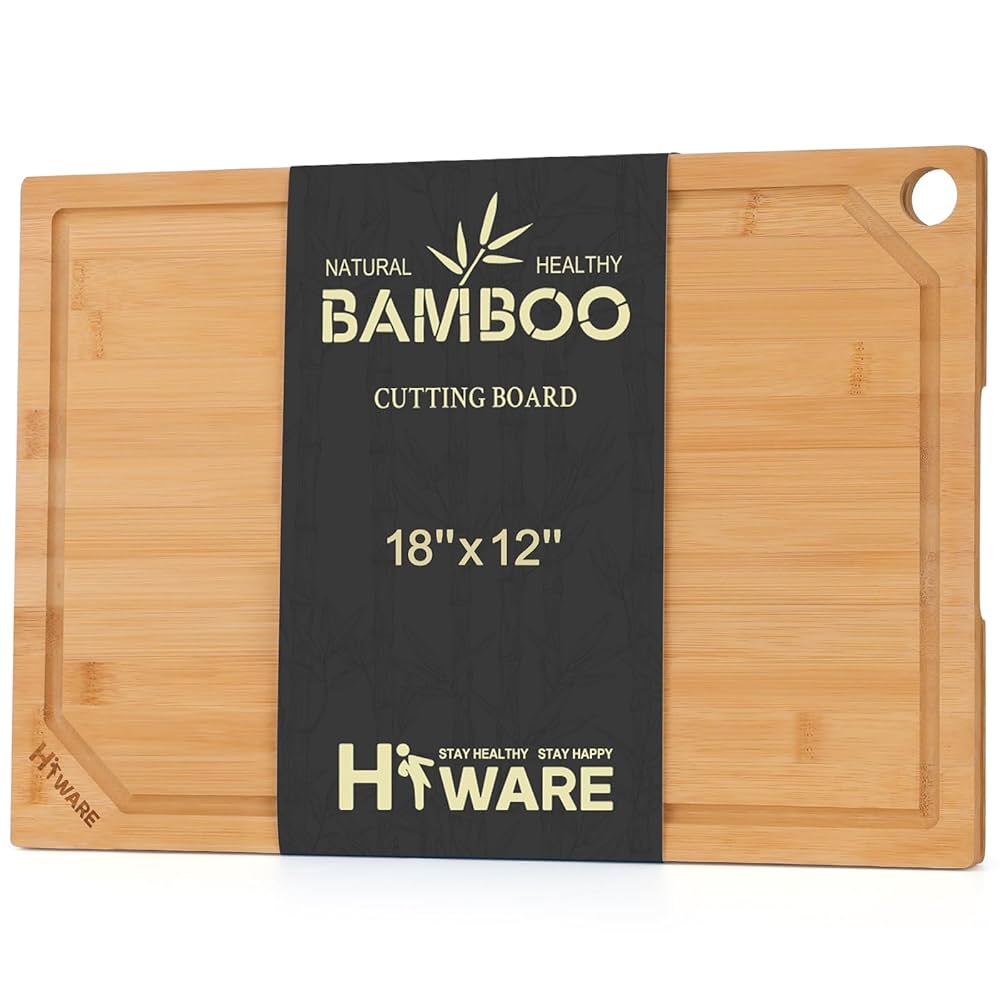
If you own a bamboo cutting board, you might wonder if it needs special care to stay in great shape. You’ve probably seen oiling recommended for wooden boards, but does the same apply to bamboo?
Taking care of your cutting board the right way can keep it looking fresh and lasting longer. You’ll discover why oiling matters, how it affects your bamboo board, and simple tips to keep your kitchen tool in top condition. Keep reading to learn how a little care can make a big difference for your bamboo cutting board.
Why Oil Matters For Bamboo Boards
Bamboo cutting boards are strong and eco-friendly. But they need care to last long.
Oiling bamboo boards helps keep them in good shape. It protects the wood and keeps it safe.
Protecting Against Cracks
Bamboo can dry out over time. When it does, cracks can form. Oiling stops the bamboo from drying.
The oil seals the surface and keeps moisture inside. This stops cracks and splits from happening.
Maintaining Appearance
Oiling bamboo keeps it looking fresh. The oil brings out the natural color and shine.
- Prevents dull, dry surfaces
- Keeps the board smooth to touch
- Enhances the natural grain pattern
- Reduces the look of scratches and stains
Preventing Bacterial Growth
Bamboo can trap water without oil. This wetness invites bacteria to grow.
| Without Oil | With Oil |
|---|---|
| Absorbs water easily | Repels water |
| Bacteria grow in wet spots | Less chance for bacteria |
| Board smells and stains | Stays clean and fresh |

Credit: forest-decor.com
Types Of Oils To Use
Bamboo cutting boards need oiling to stay strong and last long. Oiling stops the board from drying and cracking.
Choosing the right oil is key. Some oils keep the board safe for food, while others can cause harm.
Food-safe Mineral Oil
Food-safe mineral oil is popular for bamboo boards. It is clear, odorless, and safe to use with food.
This oil soaks into the bamboo, protecting it from water and stains. It also keeps the board smooth and shiny.
Natural Oils To Avoid
Some natural oils are bad for bamboo boards. Oils that can go rancid should be avoided.
Oils like olive oil, vegetable oil, and nut oils can turn sticky and smell bad over time.
- Olive oil
- Vegetable oil
- Walnut oil
- Canola oil
Benefits Of Specialized Board Oils
Specialized board oils mix mineral oil with beeswax or other safe waxes. This blend helps the board better.
These oils give extra protection by sealing the bamboo surface. They also help stop water from soaking in.
- Longer-lasting protection
- Water resistance
- Prevents cracks and warping
- Safe for food contact
How Often To Oil Your Board
Oiling a bamboo cutting board helps keep it strong and water-resistant. It stops the board from drying out and cracking. Knowing when to oil your board is important for its long life.
The frequency of oiling depends on how often you use your board and how you clean it. Check your board regularly for signs that it needs oil.
Signs Your Board Needs Oiling
Look for these signs to know when your bamboo board needs oiling. If you see any of these, it is time to apply oil to protect your board.
- The board looks dry or faded in color.
- Water droplets soak in quickly instead of beading up.
- There are small cracks or splits on the surface.
- The board feels rough or uneven to touch.
- Food stains or odors linger after cleaning.
Recommended Oiling Schedule
Follow this schedule to keep your bamboo cutting board in good condition. Regular oiling helps avoid damage and extends the board’s life.
| Usage Frequency | Oiling Frequency |
| Daily use | Once a week |
| Several times a week | Every two weeks |
| Occasional use | Once a month |
| Rare use | Every 3 months |
Step-by-step Oiling Process
Bamboo cutting boards can dry out over time. Oiling helps keep them strong and smooth. It also stops cracks and stains.
Follow these simple steps to oil your bamboo cutting board the right way. This will make it last longer and look better.
Cleaning Before Oiling
Start by cleaning the board well. Remove all food bits and dirt. Use warm water and mild soap to wash it.
Dry the board completely before oiling. A wet board will not absorb oil well.
- Use a soft sponge or cloth
- Rinse with warm water
- Dry with a clean towel
- Let it air dry fully
Applying The Oil
Choose food-safe mineral oil or bamboo board oil. Pour a small amount on the board’s surface. Spread it evenly using a clean cloth or paper towel.
Cover all sides, including edges. This protects the board from moisture and damage.
- Use a soft cloth or paper towel
- Apply oil in a circular motion
- Cover the entire surface
- Don’t forget the edges and sides
Allowing Oil To Absorb
Let the oil soak into the bamboo for a few hours. This helps the wood absorb moisture and stay healthy. For best results, leave it overnight.
Keep the board flat in a dry place during this time. Avoid using or washing it until the oil is fully absorbed.
- Place board on a flat surface
- Keep away from water and heat
- Wait at least 4 hours
- Overnight is better
Wiping Off Excess
After the oil has soaked in, wipe off any extra oil. Use a clean, dry cloth to remove the surface oil. This stops the board from feeling sticky or greasy.
Check the board for any dry spots. You can add more oil to those areas if needed and repeat the process.
- Use a clean, dry cloth
- Remove all excess oil
- Inspect for dry patches
- Reapply oil if needed
Additional Bamboo Care Tips
Bamboo cutting boards are strong and eco-friendly. Taking care of them keeps them useful for a long time.
Regular care prevents cracks and keeps the board looking nice. Simple habits help protect your bamboo board.
Proper Cleaning Methods
Clean your bamboo board after each use to stop germs. Use warm water and mild soap. Avoid harsh cleaners that can damage the surface.
After washing, rinse well and dry with a clean towel. Do not soak the board or put it in a dishwasher.
Avoiding Excess Moisture
Too much water can make bamboo crack or warp. Do not leave the board wet for long periods. Wipe off water quickly after use.
- Dry the board immediately after washing
- Do not soak the board in water
- Avoid dishwasher cleaning
- Keep the board away from steam or humid places
Storage Suggestions
Store bamboo boards in a dry, cool place. Keep them standing or flat with air around them. This stops moisture build-up and warping.
Avoid stacking heavy items on top of the board. Give it space to breathe to stay in good shape.

Credit: www.walmart.com
Common Mistakes To Avoid
Oiling your bamboo cutting board keeps it in good shape. But some mistakes can harm your board instead. Avoid these to make your board last longer.
Learn about the common errors in caring for bamboo boards. This guide covers using the wrong oils, over-oiling, and skipping maintenance.
Using The Wrong Oils
Not all oils are safe for bamboo cutting boards. Some oils can go rancid and smell bad. Others may leave a sticky surface that attracts dirt.
- Avoid vegetable oils like olive or canola. They spoil fast.
- Do not use mineral oil with additives or scents.
- Choose food-safe, non-toxic oils made for cutting boards.
- Pure mineral oil or specially made board oils work best.
Over-oiling Your Board
Adding too much oil can make your board sticky or soft. This damages the bamboo over time. It also can make the board hard to clean.
| Problem | Cause | Effect |
| Sticky surface | Excess oil not absorbed | Dirt and bacteria build-up |
| Soft wood | Oil breaks down fibers | Board warps or cracks |
| Long drying time | Too much oil applied | Hard to use board soon after oiling |
Neglecting Regular Maintenance
Oiling once is not enough. Bamboo boards need regular care to stay strong and clean. Skipping this will cause cracks and stains.
- Clean your board after each use.
- Oil your board every 3 to 4 weeks.
- Check for dry spots or cracks often.
- Store in a dry place away from heat.

Credit: cheesegrotto.com
Frequently Asked Questions
Does A Bamboo Cutting Board Need Oiling Regularly?
Yes, oiling a bamboo cutting board regularly keeps it hydrated and prevents cracking. Use food-safe mineral oil every few weeks. This maintains its durability and appearance, ensuring a longer lifespan for your board.
What Type Of Oil Is Best For Bamboo Boards?
Food-grade mineral oil is best for bamboo boards. It penetrates the wood without leaving harmful residues. Avoid vegetable or cooking oils as they can go rancid and damage the board.
How Often Should I Oil My Bamboo Cutting Board?
Oil your bamboo cutting board every 3 to 4 weeks. Frequent oiling prevents drying and cracking. Adjust frequency based on use and washing to keep the board in good condition.
Can I Use Olive Oil On Bamboo Cutting Boards?
No, avoid olive oil on bamboo boards. Olive oil can turn rancid and create sticky residues. Stick to food-safe mineral oil or specially formulated cutting board oils for best results.
Conclusion
Oiling your bamboo cutting board keeps it in good shape. It helps prevent cracks and warping. Regular oiling makes the board last longer. Use food-grade mineral oil for best results. Apply a thin layer and let it soak. Wipe off any extra oil.
Do this every few weeks. Your board will stay smooth and strong. A little care goes a long way. Enjoy using your bamboo board for years. Happy chopping!