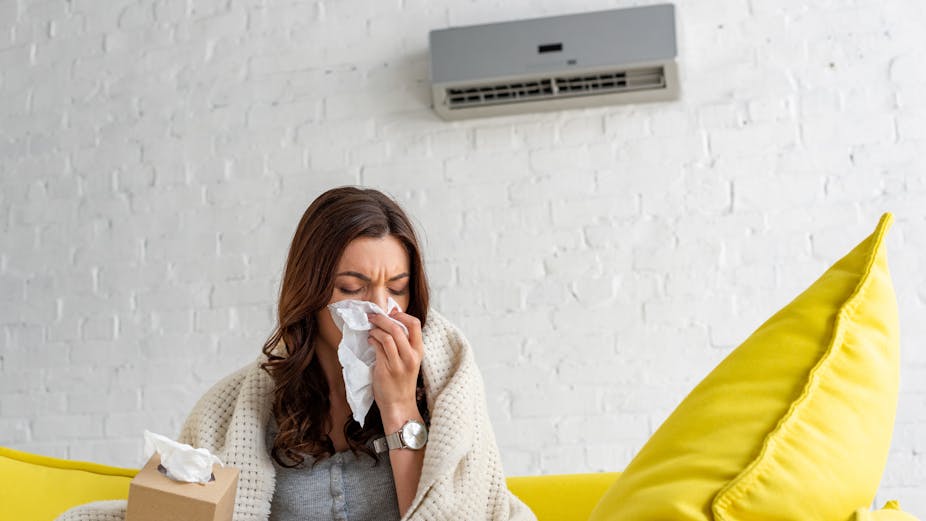
Have you ever wondered if your air conditioner could be making you sick? You rely on it to keep your home cool and comfortable, especially during hot days.
But what if the very thing designed to help you stay healthy is actually harming you? You’ll discover surprising facts about how your air conditioner can affect your health. By the end, you’ll know what to watch out for and how to protect yourself and your loved ones.
Keep reading—you might be shocked by what you learn!
How Air Conditioners Affect Health
Air conditionerscool the air but can also cause problems for the respiratory system. They can spread dust, mold, and bacteriaif not cleaned well. This may lead to coughing, sneezing, and breathing trouble. Cold air can also dry out the nose and throat, making it easier to catch colds or infections.
The immune responsemay weaken due to poor air quality indoors. Dust and germs in the air can overwork the immune system. This makes the body less able to fight off sickness. Staying in a room with an air conditioner for a long time might cause headaches and tirednesstoo.
Common Air Conditioner Related Illnesses
Air conditionerscan trap airborne allergenslike dust, pollen, and mold spores. These can cause allergic reactionsand worsen asthma symptoms.
Respiratory infectionscan happen if air conditioners are not cleaned well. Bacteria and viruses may grow inside, spreading illness through the air.
ACs remove moisture from the air, which can lead to dry skinand irritation. Dry eyes, throat, and nose are common complaints in air-conditioned rooms.
Factors That Increase Health Risks
Poor maintenanceand dirty filterscan cause many health problems. Dust, mold, and bacteria grow inside the AC. These germs spread in the air. It can cause allergies, coughing, and breathing issues. Changing or cleaning filters often is very important.
Improper temperature settingsalso affect health. Very cold air can cause stiff muscles and colds. Too warm air does not cool well and can make the room uncomfortable. Setting the right temperature helps avoid sickness.
Humidity levelsand ventilationmatter a lot. Low humidity dries out skin and nose. High humidity makes mold grow and raises allergy risks. Good ventilation brings fresh air, removing stale air and germs.

Credit: globalcoolair.com.au
Preventing Health Issues From Air Conditioning
Regular cleaning of air conditioner filters is important. Dust and dirt build up can cause allergiesand breathing problems. Maintenance helps the AC work better and last longer. Check and clean filters every month during heavy use.
Using humidifiers keeps the air from getting too dry. Dry air can cause skin irritationand coughing. Air purifiers remove dust, mold, and germs. This makes breathing easierand reduces sickness.
| Factor | Best Practice |
|---|---|
| Temperature | Keep between 72°F and 78°F (22°C to 26°C) |
| Humidity | Maintain 40% to 60% humidity to avoid dryness |
| Airflow | Ensure good ventilation to prevent stale air |
When To Seek Medical Advice
Recognizing symptomslinked to AC use can help prevent illness. Watch out for persistent headaches, dry throat, coughing,or skin irritation. These may signal poor air quality or too cold temperatures. Feeling tiredor dizzyafter using AC is also a warning sign.
People with certain chronic conditionsmight feel worse with AC. Asthma, allergies, or respiratory problems can get triggered. Cold air can cause muscle stiffnessor joint painin some cases.
| Chronic Condition | How AC Affects It |
|---|---|
| Asthma | Cold air may trigger attacks or breathing trouble. |
| Allergies | Dust and mold in AC can worsen symptoms. |
| Dry Skin | Air conditioning can make skin drier and irritated. |
| Muscle Pain | Chilly air might cause stiffness or aches. |

Credit: theconversation.com

Credit: www.1news.co.nz
Frequently Asked Questions
Can Air Conditioners Cause Respiratory Problems?
Yes, poorly maintained air conditioners can harbor bacteria and mold. These can cause allergies and respiratory issues, especially in sensitive individuals.
How Does Ac Affect Indoor Air Quality?
Air conditioners can reduce humidity and filter pollutants. However, dirty filters may circulate dust and allergens, degrading indoor air quality.
Can Cold Air From Ac Make You Sick?
Cold air alone doesn’t cause illness. However, sudden temperature changes can weaken immunity, making you more susceptible to infections.
How To Prevent Getting Sick From Ac Use?
Regularly clean and maintain your AC unit. Use high-quality filters and keep humidity levels balanced to prevent mold growth.
Conclusion
Air conditioners can affect your health if not used right. Dirty filters and poor maintenance cause germs and dust to spread. These can lead to allergies or breathing problems. Clean your AC regularly and keep your room ventilated. Use it at a comfortable temperature, not too cold.
Listen to your body and take breaks outside. Stay safe and enjoy cool air without worries.