Choosing the right size air conditioner can make all the difference between a cool, comfortable home and a high energy bill that leaves you frustrated. You might think bigger is better, but an oversized or undersized unit can cause problems you don’t want to deal with.
You’ll discover exactly how to find the perfect fit for your space. By the end, you’ll feel confident about your choice and enjoy a cooler, more efficient home without wasting money. Keep reading to learn what size air conditioner is just right for you.
Choosing The Right Ac Size
Choosing the right air conditioner sizeis very important. A unit too small will struggle to cool the room. This causes high energy billsand wear and tear. A unit too large will cool too fast. This leads to poor humidity controland short cycling. Both can make the room uncomfortable.
Wrong sizing can cause:
- Higher electricity costs
- Uneven cooling
- More repairs and maintenance
- Shorter air conditioner life
Credit: www.carrier.com
Calculating Cooling Needs
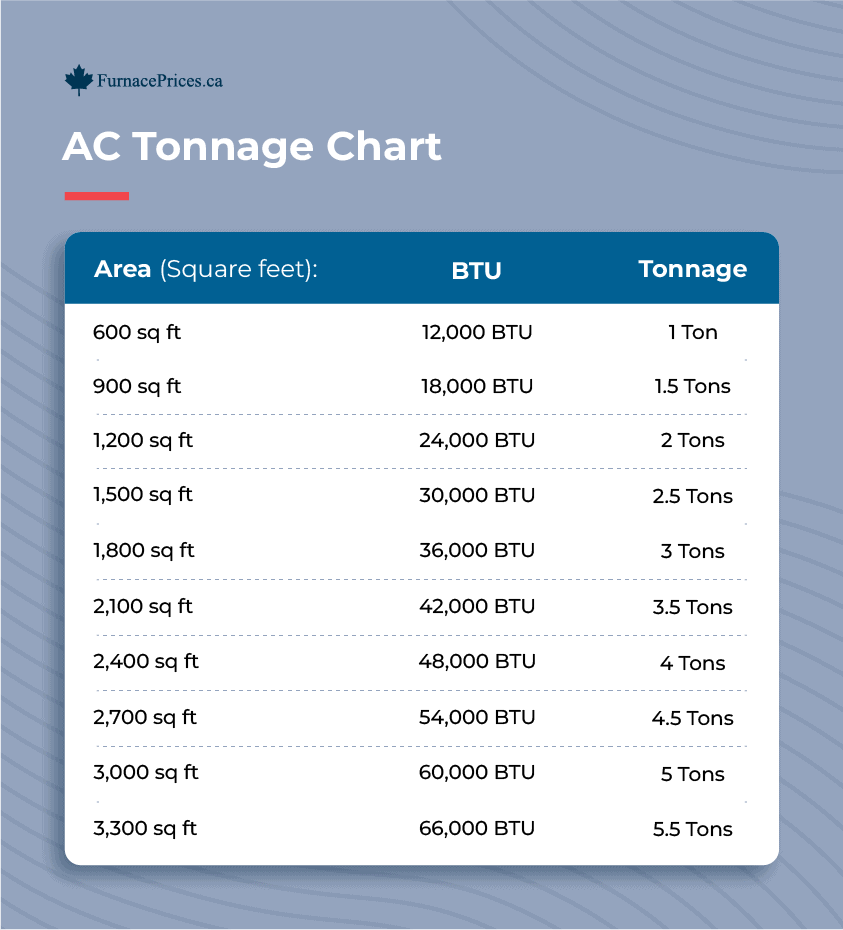
To find the right air conditioner size, start by measuring the room. Measure the length and width in feet. Multiply these numbers to get the area in square feet. This helps estimate the cooling power needed.
Sunlight affects room temperature a lot. Rooms with many windows or direct sunlight need a stronger unit. Good insulation keeps cool air inside and heat outside, so better insulation might mean a smaller unit.
Think about how many people usually stay in the room. More people add heat, so a bigger air conditioner may be required. Also, electrical devices and appliances produce heat, increasing cooling needs.
Btu Ratings Explained
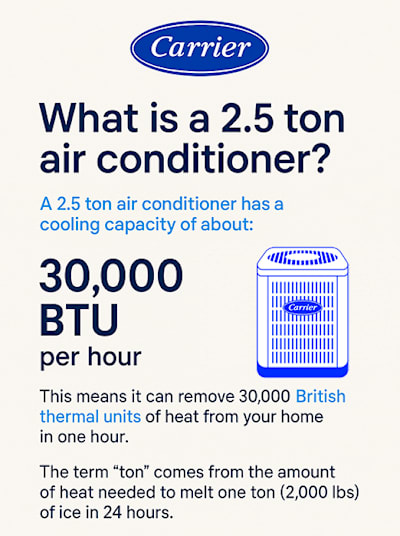
BTUstands for British Thermal Unit. It measures how much heat an air conditioner can remove from a room per hour. The higher the BTU, the larger the space it can cool.
Choosing the right BTU size is key. Too small, and the room stays hot. Too big, and the unit wastes energy and costs more.
| Room Size (sq ft) | Recommended BTU Range |
|---|---|
| 100 – 300 | 5,000 – 6,000 BTU |
| 300 – 500 | 7,000 – 8,000 BTU |
| 500 – 800 | 9,000 – 12,000 BTU |
| 800 – 1,200 | 14,000 – 18,000 BTU |
| 1,200 – 1,500 | 19,000 – 21,000 BTU |
Types Of Air Conditioners
Window unitsare small and fit into a window space. They cool one room well and are easy to install. These units are usually less expensive and good for small spaces.
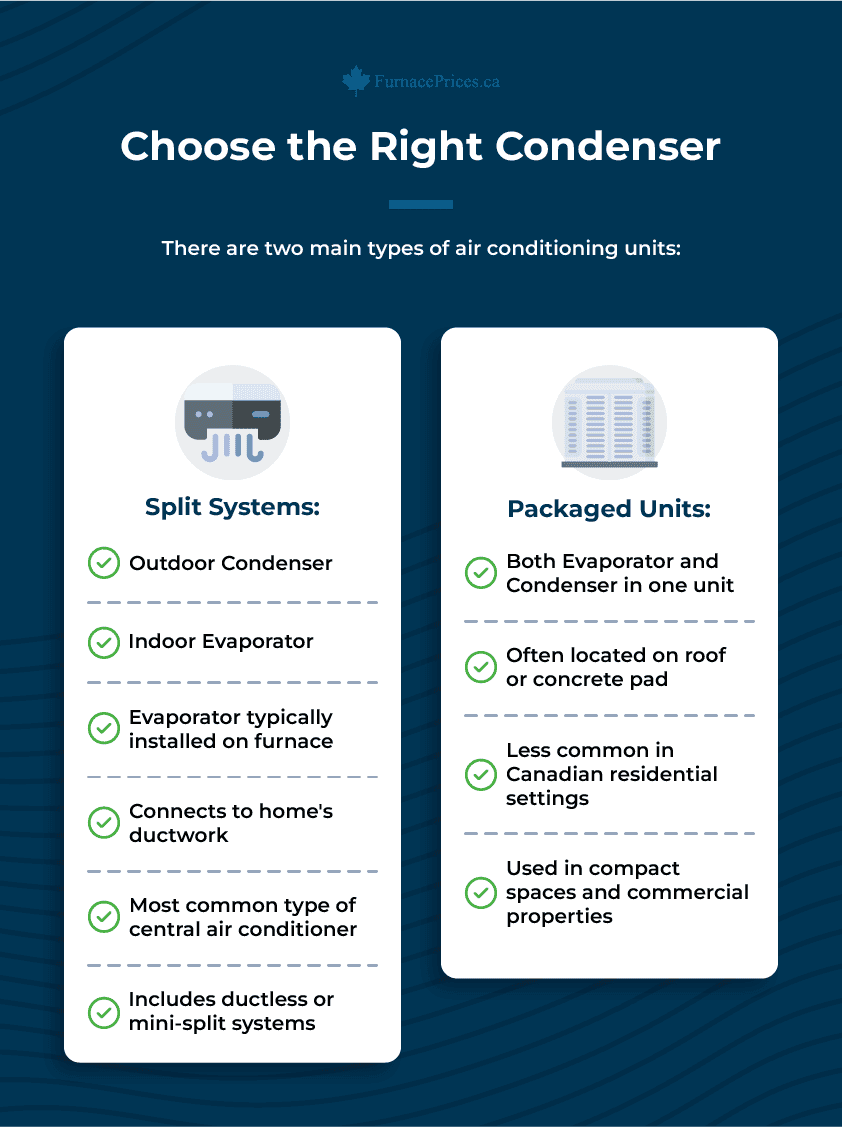
Split systemshave two parts: an indoor unit and an outdoor unit. They cool larger areas and run quietly inside. These systems save space indoors and are more efficient than window units.
Portable ACscan be moved from room to room. They do not need installation but require a window for venting hot air. Good for renters or temporary cooling.
Central air conditioningcools the whole house through ducts. It keeps temperature even in every room. This system is best for large homes but costs more to install.
Energy Efficiency And Sizing
SEER ratingsmeasure how well an air conditioner cools compared to the energy it uses. Higher SEER means better energy efficiency. Units with higher SEER use less electricity, helping to lower your energy bills.
Choosing the right size unit with a good SEER rating is key. A unit too big uses more energy and cools unevenly. A unit too small works too hard and wears out faster.
| SEER Rating | Energy Use | Impact on Bills |
|---|---|---|
| 13-14 (Low) | More energy | Higher bills |
| 15-17 (Medium) | Moderate energy | Moderate bills |
| 18+ (High) | Less energy | Lower bills |
Credit: lynnswinnipeg.ca
Installation Tips
Choose a spot with good airflow. Avoid areas near heat sources or direct sunlight. Make sure the wall or window can support the air conditioner’s weight. Leave space around the unit for easy maintenance and air circulation.
Professional installation ensures safety and proper setup. Experts know how to handle electrical wiring and refrigerant. They follow local codes and give a warranty on their work.
DIY installation can save money but needs careful reading of the manual. Tools like a level, drill, and screwdriver are needed. Mistakes can cause leaks or poor cooling.
Maintaining Optimal Performance
Regular cleaning helps your air conditioner work well and last longer. Dust and dirt can block the airflow. Clean the filters every few weeks to keep air fresh and cool.
Replacing filters is very important. Dirty filters make the AC use more energy. Change the filter every 1 to 3 months depending on use. This keeps your home healthy and saves money.
Seasonal checks prepare your AC for hot or cold weather. Check the coolant levels and clean the coils. Make sure the fan and thermostat work right. This stops big problems and keeps your home comfortable all year.
Credit: www.furnaceprices.ca
Frequently Asked Questions
What Size Air Conditioner Do I Need For 500 Sq Ft?
For 500 sq ft, a 12,000 BTU air conditioner is ideal. This size cools efficiently and saves energy. It balances comfort and cost for medium-sized rooms.
How To Calculate Air Conditioner Size For A Room?
Measure the room’s square footage and multiply by 20 BTU. Adjust for room height, sunlight, and occupancy. This gives a precise air conditioner size for efficient cooling.
Can A Too Large Air Conditioner Waste Energy?
Yes, oversized units cool quickly but cycle off often. This causes energy waste and humidity issues. Proper sizing ensures efficiency and comfort.
Does Ceiling Height Affect Air Conditioner Size?
Yes, higher ceilings require more cooling power. Standard calculations assume 8-foot ceilings. Adjust BTU upwards for taller rooms to maintain comfort.
Conclusion
Choosing the right air conditioner size saves energy and money. A unit too big cools quickly but wastes power. A unit too small runs constantly and still feels warm. Measure your room and consider sunlight and insulation. Think about how many people use the space.
A properly sized AC keeps you comfortable all day. Take time to find the best fit for your home. This helps your air conditioner work well and last longer. Comfort and efficiency go hand in hand with the right size.