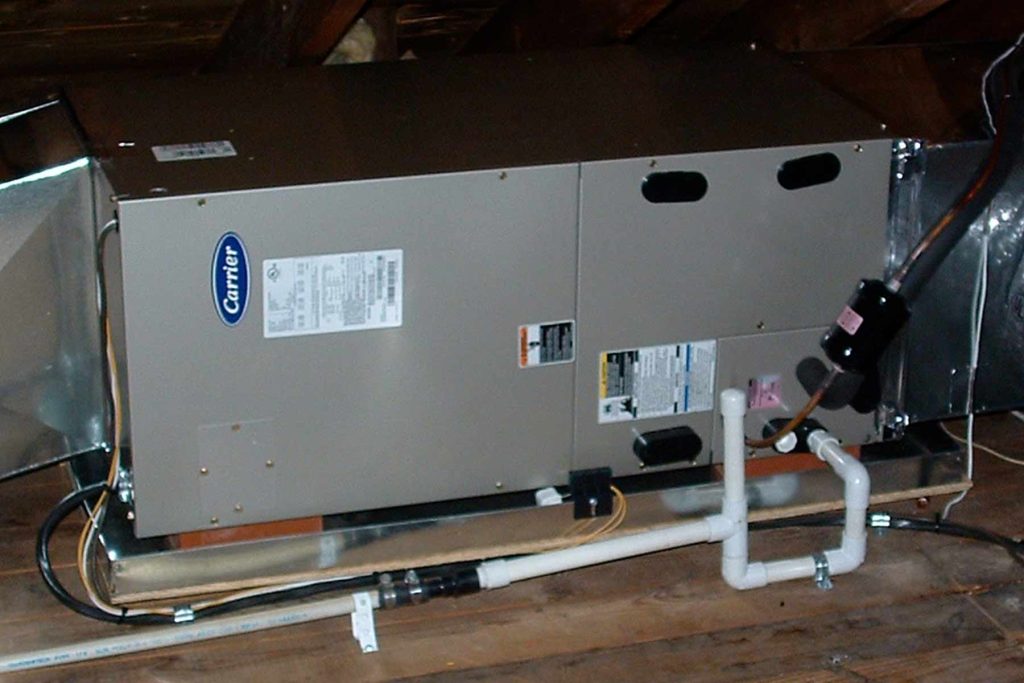
Have you ever wondered where the water from your air conditioner goes? If your AC is leaking or making unusual noises, the answer might lie in the drain pan.
Knowing where your air conditioner drain pan is and how it works can save you from costly repairs and keep your home comfortable. You’ll discover exactly where to find the drain pan, why it’s so important, and simple tips to keep it in good shape.
Keep reading—your AC will thank you!
Locating The Drain Pan
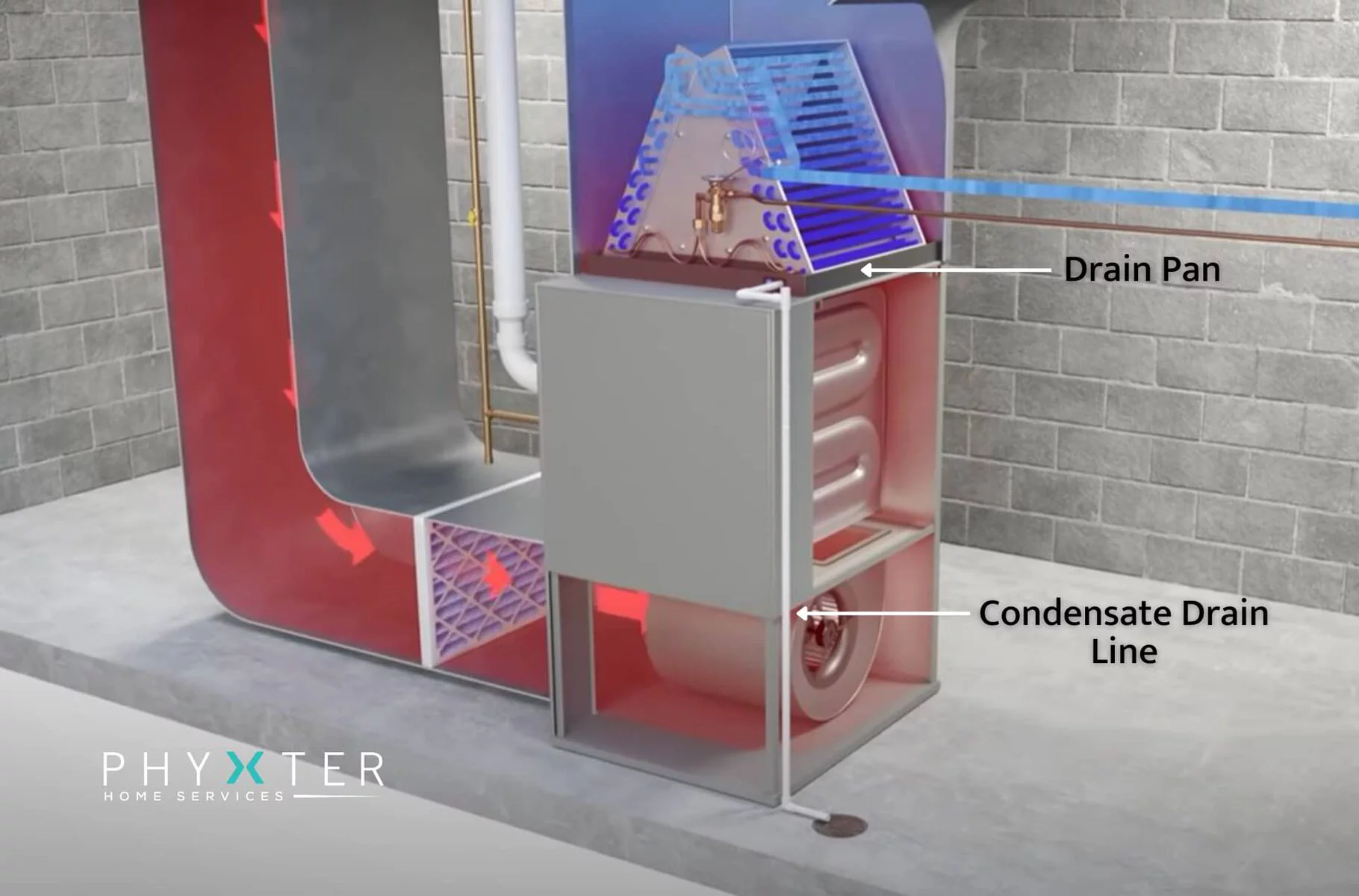
The drain panis a small tray that collects water from the air conditioner. It helps stop water from leaking inside your home. Usually, it is found under the indoor AC unit near the evaporator coil.
Indoor units have the drain pan inside the air handler or furnace. Outdoor units may have a small pan under the compressor to catch rain or condensation.
- Check below the evaporator coil inside the air handler to find the drain pan.
- Look for a small pan with a drain line attached to it.
- Access panels or removable covers on the unit help you inspect the pan.
- Make sure the drain line is clear to avoid clogs and water overflow.

Credit: onservicesllc.com
Function Of The Drain Pan
The drain panplays a key role in an air conditioner’s operation. It is designed for collecting condensationthat forms when the AC cools the air. This water drips into the pan to keep it from leaking inside the house.
The pan also helps in preventing water damage. Without it, water could drip onto walls or floors, causing stains or mold. The drain pan directs water safely to a drain line or outside.
- Collects water from condensation
- Prevents leaks inside the home
- Protects walls and floors from damage
- Helps maintain indoor air quality by avoiding mold
Signs Of Drain Pan Issues
Water leaksnear the air conditioner often mean the drain pan is full or damaged. This can cause water to drip inside your home, damaging floors or walls.
Unusual odorscoming from the AC may signal mold or mildew in the drain pan. The standing water creates a perfect place for bacteria to grow, leading to bad smells.
Ice formationon the AC unit can happen if the drain pan is clogged or cracked. Ice blocks the water from draining, causing it to build up and freeze on the coils.
Credit: vernonairconditioning.com
Cleaning And Maintenance Tips
To clean the air conditioner drain pan, gather these tools: a wet/dry vacuum, a small brush, mild detergent, a sponge, and a flashlight. Wearing gloves is helpful to keep hands clean.
Start by turning off the AC unit for safety. Use the flashlight to find the drain pan under the evaporator coil. Remove any standing water with the vacuum. Scrub the pan with the brush and detergent to clear dirt and mold. Rinse with a damp sponge and dry the area well before turning the unit back on.
Check the drain pan at least once every three months. Frequent checks help prevent water damage and mold. During humid months, inspect it more often to avoid clogs and overflow.
When To Replace The Drain Pan
The drain pancollects water from the air conditioner. Over time, material wear and tearcan cause damage. Plastic pans may become brittle and crack. Metal pans can rust and weaken.
Look for cracks and holesin the pan. These allow water to leak and cause damage. Small cracks can grow larger if not fixed. Leaks may lead to mold or ceiling stains.
A professional assessmenthelps decide if the pan needs replacement. Experts check for hidden damage and proper fit. They can recommend the best type of pan for your unit.
Credit: airaceheatingandcooling.com
Frequently Asked Questions
Where Is The Air Conditioner Drain Pan Located?
The drain pan is beneath the evaporator coil inside the indoor unit. It collects condensation from the cooling process. Its position allows water to drain safely and prevents leaks in your home.
Why Is The Ac Drain Pan Important?
The drain pan catches water from condensation to avoid leaks and water damage. It helps maintain indoor air quality by preventing mold growth. A clean, functional pan ensures efficient AC operation.
How Can I Find A Leaking Ac Drain Pan?
Look under the indoor AC unit for standing water or rust. Check if water is dripping or pooling near the unit. Regular inspection helps detect leaks early and prevents damage.
Can A Clogged Drain Pan Cause Ac Problems?
Yes, a clogged drain pan can cause water overflow and damage. It may lead to mold growth and reduce the AC’s efficiency. Regular cleaning of the drain pan prevents these issues.
Conclusion
The air conditioner drain pan plays a key role in your AC system. It collects water that the unit removes from the air. Knowing where it sits helps you check for leaks or blockages. Regular cleaning keeps your AC running well and prevents damage.
Take a moment to locate and inspect the drain pan often. Simple steps can save you from costly repairs later. Keep your home cool and dry by caring for this small but important part.