Have you ever wondered if your air conditioner runs on gas? It’s a question many people ask, especially when thinking about energy costs and environmental impact.
Understanding how your air conditioner works can help you make smarter choices for your home and wallet. You’ll discover the truth about what powers your AC and why it matters to you. Keep reading—you might be surprised by what you learn.

Credit: coastalhomeservicesinc.com
Types Of Air Conditioners
Electric air conditioners are the most common type. They use electricityto power a compressor and fan. These cool the air inside your home efficiently and quietly. They do not use gas for cooling but may use refrigerants.
Gas-powered air conditioners use natural gas or propaneto run the cooling system. These units are less common but can save energy in some areas. They often combine heating and cooling in one system.
Hybrid systems combine electric and gas power. They switch between the two for better energy savingsdepending on the weather. This makes them more flexible and cost-effective.
Credit: www.carrier.com
How Air Conditioners Work
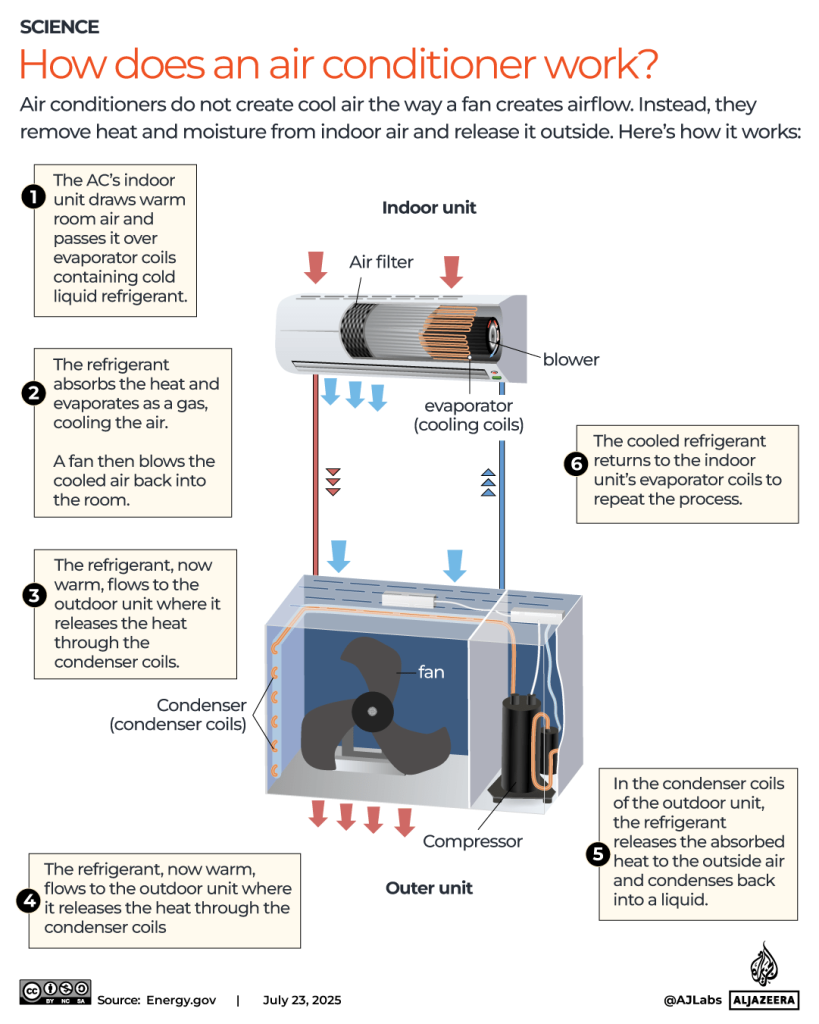
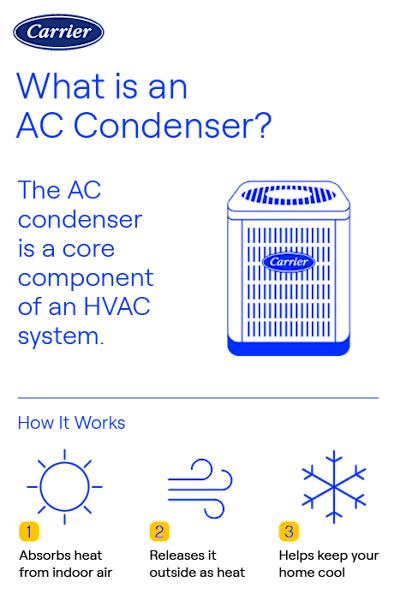
Air conditioners use a cooling cycleto lower indoor temperatures. This cycle moves heat from inside your home to the outside air. A key part of this process is the refrigerant, a special fluid that absorbs heat and changes from liquid to gas and back again.
The refrigerant flows through coils inside and outside the house. Inside, it absorbs heat and evaporates into a gas. Outside, the gas releases heat and turns back into a liquid. This cycle repeats to keep your home cool.
Air conditioners usually run on electricity. The electricity powers a compressor and fans that move the refrigerant and air. Some units use natural gas, but this is less common. The main point: the cooling happens through the refrigerant, not by burning gas.
Gas-powered Cooling Options
Gas-fired absorption cooling uses natural gasor propane to power air conditioning. It works by heating a liquid solution that creates a cooling effect. This process does not use traditional electric compressors.
Advantagesinclude:
- Lower electricity use, saving energy costs.
- Works well in places with limited electricity supply.
- Quiet operation with fewer moving parts.
Limitationsinclude:
- Higher initial cost compared to electric AC units.
- Requires a steady supply of gas fuel.
- Less common, so fewer repair options.
Common applicationsare:
- Large buildings like hospitals and schools.
- Industrial settings needing reliable cooling.
- Areas where electricity is expensive or unreliable.
Comparing Gas And Electric Ac Units
Gas AC unitsuse natural gas to cool air. They often have higher efficiencyin very cold places. Electric AC unitsuse electricity and work well in most climates. Electric models are easier to install and maintain.
Gas AC units produce lower carbon emissionsthan electric ones powered by coal. Electric AC units can be cleanerif the electricity comes from renewable sources. Gas units release less greenhouse gasdirectly, but natural gas extraction has environmental risks.
| Type | Initial Cost | Running Cost | Maintenance |
|---|---|---|---|
| Gas AC | Higher | Lower (in some areas) | More complex |
| Electric AC | Lower | Varies by electricity rates | Easier |
Future Of Air Conditioning Technology
Air conditioners usually run on electricity, not gas. Some models use gas for heating but cool with electric power. Future tech may explore cleaner energy sources for better cooling.
Emerging Gas Cooling Technologies
Some air conditioners use gases like refrigerants to cool air. New technologies focus on using safer gases. These gases lower harm to the environment. Cooling systems with gas can be more energy efficient. Scientists work to find better cooling gases. This helps reduce pollution and saves energy.
Trends In Energy Use
- Energy-efficient air conditioners save electricity.
- Smart systems adjust cooling based on need.
- Using less power helps lower energy bills.
- Solar-powered AC units are becoming popular.
Sustainability Efforts
Many companies focus on green cooling solutions. They design ACs to use less harmful gases. Recycling old air conditioners reduces waste. Using eco-friendly materials helps protect nature. These efforts aim to create cleaner, greener air conditioning.

Credit: www.kauffmangas.com
Frequently Asked Questions
Do Air Conditioners Use Gas Or Electricity?
Air conditioners primarily run on electricity, not gas. They use electrical power to operate compressors and fans. Gas is typically not used as a direct energy source in standard AC units.
What Type Of Gas Is Inside An Air Conditioner?
Air conditioners contain refrigerant gases like R-410A or R-22. These gases absorb and release heat to cool the air. They are sealed inside the AC system and do not fuel the machine.
Can Air Conditioners Run On Natural Gas?
Standard air conditioners do not run on natural gas. However, some specialized gas-powered cooling systems exist but are rare. Most homes use electric-powered air conditioning units for efficiency.
Why Do Some Air Conditioners Mention “gas”?
The term “gas” often refers to the refrigerant inside the AC. It does not mean the unit runs on gas fuel. Refrigerants are essential for the cooling process but are contained within the system.
Conclusion
Air conditioners do not run on gas like a stove or heater. They use electricity to cool your home. Gas may power some heating systems, but not the cooling part. Knowing this helps you understand your energy bills better. Choose the right system for your needs and budget.
Stay cool and save energy with the correct air conditioner. Simple facts make smart choices easier.