Have you ever wondered if running your air conditioner uses gas? It’s a question many people ask when they see their energy bills or try to understand how their cooling system works.
Knowing the answer can help you save money and make smarter choices for your home. You’ll discover the truth about air conditioners and gas usage. Keep reading to learn how your AC really works and what that means for your energy costs.

Credit: www.kauffmangas.com
How Air Conditioners Work
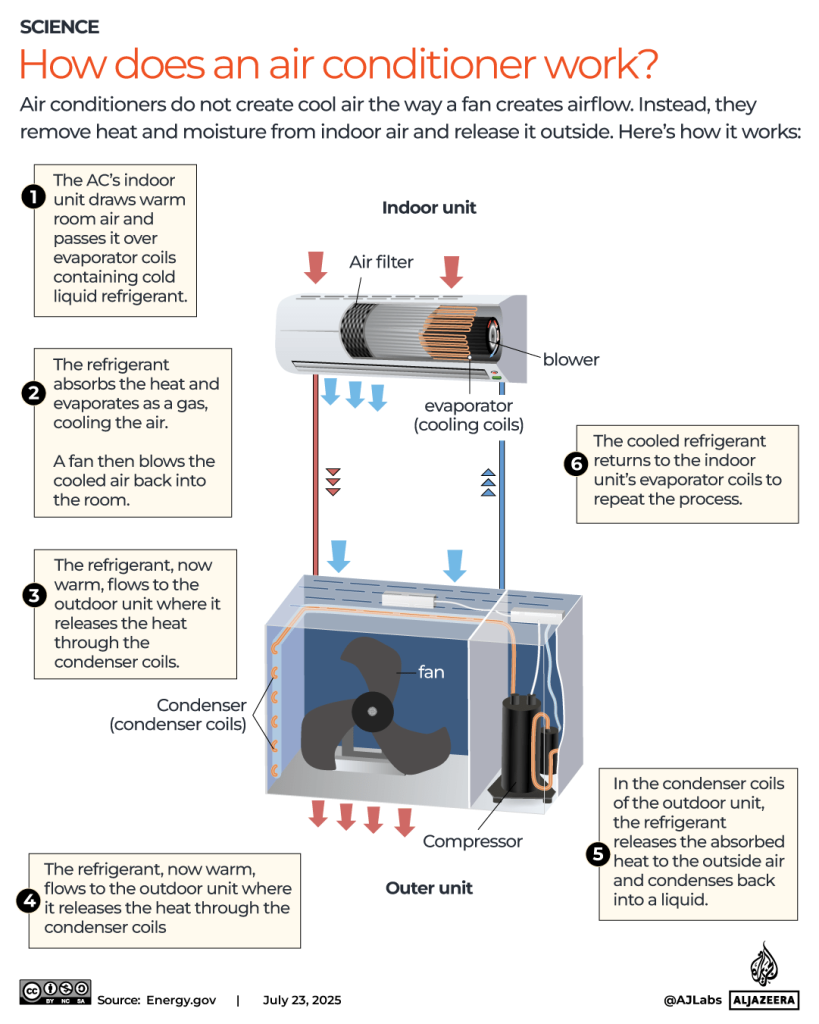
Air conditioners use a cooling cycleto lower indoor temperature. This cycle moves heat from inside to outside.
The refrigerantis a special fluid that absorbs heat. It changes from liquid to gas and back to liquid during the cycle. This process helps cool the air.
| Energy Type | Usage in Air Conditioner |
|---|---|
| Electricity | Runs the compressor and fans to move refrigerant and air |
| Gas | Not used as fuel, only refrigerants are gases inside the system |
Types Of Air Conditioning Systems
Central air conditionerscool entire buildings using a network of ducts. They use electric power to run compressors and fans. Cool air moves through vents to every room. These systems do not use gas for cooling but may use gas for heating parts.
Window unitsare compact and fit in a window frame. They cool single rooms and run on electricity only. These units do not use gas and are easy to install and remove.
Split systemshave two parts: one inside and one outside. The outside unit cools the air with electric compressors. The inside unit blows cool air into rooms. These systems also use electricity, not gas, for cooling.
Gas-powered air conditionersuse natural gas or propane to run. They are less common than electric ones. These systems use gas to power the compressor or for heating, but cooling still involves a refrigerant cycle.
Energy Sources For Air Conditioners
Most air conditioners use electricityas their main energy source. Electricity powers the compressor, fan, and other parts inside. This makes them easy to use in homes and offices. Electric air conditioners are common worldwide.
Some air conditioners use gasinstead. These gas-powered unitsoften run on natural gas or propane. They can be more efficient in places without cheap electricity. Gas-powered air conditioners are less common but useful in certain areas.
Hybrid systemscombine electricity and gas. They switch between power sources to save energy and cut costs. Hybrids work well in places with changing energy prices or supply issues. These systems give more flexibility and can reduce bills.
Common Misconceptions About Gas Use
Many think air conditioners use gasbecause of the word “air” in their name. Some confuse gas furnaceswith AC units since both control indoor air quality. Gas furnaces burn fuel to create heat, while air conditioners cool air using a refrigerant, not gas. AC units run on electricity, not natural gas.
Gas furnaces heat homes by burning natural gas or propane. Air conditioners use electric compressors and coolant to cool air. This key difference causes confusion. People often mix up heating and cooling systems.
| Gas Furnace | Air Conditioner |
|---|---|
| Burns natural gas or propane | Uses electric compressor |
| Heats indoor air | Cools indoor air |
| Produces heat by combustion | Circulates refrigerant to cool air |
| Needs gas supply | Needs electricity |
Environmental Impact Of Air Conditioning
Air conditioners use a lot of electricity. This high energy consumptionleads to more carbon emissions. Carbon emissions harm the environmentand contribute to global warming.
Different refrigerantsare used inside air conditioners. Some refrigerants have a high global warming potential (GWP). Using these can increase the greenhouse effect. Newer refrigerants are less harmful but still have some impact.
| System Type | Energy Source | Environmental Impact |
|---|---|---|
| Gas Air Conditioners | Natural gas | Lower electricity use but emits CO2directly |
| Electric Air Conditioners | Electricity | Higher electricity use; emissions depend on power source |
Choosing energy-efficientmodels and better refrigerants helps reduce harm. Saving energy means less pollution and a cleaner planet.
Credit: carfromjapan.com
Improving Air Conditioner Efficiency
Regular maintenancekeeps your air conditioner working well. Change or clean filters every month during use. Dirt blocks airflow and lowers efficiency. Clean the coils and fins gently to remove dust. Check the drain channels to avoid water damage. Tighten electrical connections to prevent issues. A well-maintained unit saves energy and cools better.
Look for energy-saving featureslike programmable thermostats. These devices adjust temperature automatically. Using timers can reduce running time. Choose units with a high SEER rating for better efficiency. Energy Star models use less power and cost less to run.
Alternative cooling methodscan reduce air conditioner use. Fans help circulate air and cool rooms. Close curtains or blinds to block sunlight. Use natural ventilation during cooler parts of the day. Planting trees near windows can provide shade and lower indoor temperature.

Credit: coastalhomeservicesinc.com
Frequently Asked Questions
Does Running An Air Conditioner Consume Gas?
No, standard air conditioners run on electricity, not gas. They use electrical energy to power compressors and fans, cooling the air efficiently without burning gas.
What Type Of Energy Do Air Conditioners Use?
Air conditioners primarily use electrical energy to operate compressors, fans, and other components. They do not rely on natural gas or propane for cooling.
Can An Air Conditioner Run On Natural Gas?
Most residential air conditioners do not run on natural gas. However, some specialized gas-powered cooling systems exist but are uncommon in typical homes.
How Does An Air Conditioner Cool Without Gas?
Air conditioners use refrigerants, not gas, to absorb and release heat. The refrigerant cycles through the system to remove heat from indoor air.
Conclusion
Running an air conditioner does not use gas directly. It mostly uses electricity to cool your home. The cooling happens through a special refrigerant inside the unit. This refrigerant moves heat from inside to outside your house. Knowing this helps you understand your energy bills better.
You can focus on saving electricity instead of worrying about gas. Keep your air conditioner clean and well maintained. This keeps it working efficiently and lowers your costs. Simple steps make a big difference in energy use. Stay cool without extra gas expenses.