Is your window air conditioner not cooling like it used to? You might be low on Freon, the key refrigerant that keeps your room chilly and comfortable.
Adding Freon isn’t as complicated as it sounds, and you don’t have to call a professional right away. In this guide, you’ll learn exactly how to put Freon in your window air conditioner safely and effectively. Keep reading, and by the end, you’ll know how to bring back that refreshing cool breeze—without breaking the bank or wasting time.

Credit: thelenmechanical.com
Signs Your Ac Needs Freon
Reduced cooling efficiencymeans your AC is not cooling the room well. It may take longer to reach the set temperature. The air might feel warm or less cold than usual. This can happen if the Freon level is low.
Ice formation on coilsis a clear sign of low Freon. The coils may have frost or ice build-up. This stops the AC from working properly and can damage the unit. Ice means the system is struggling to cool.
Unusual noiseslike hissing or bubbling sounds can come from the AC. These noises may indicate a Freon leak. The AC might also make louder sounds than normal during operation. Such sounds suggest a problem inside the unit.
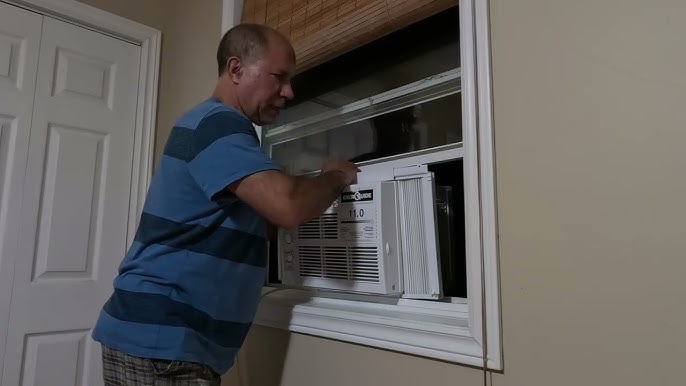
Credit: m.youtube.com
Safety Precautions
Wear protective gearsuch as gloves and safety glasses. Freon can cause frostbite or eye injury. Clothing that covers your skin is important to avoid contact.
Work in a well-ventilated areato prevent inhaling harmful fumes. Open windows or use fans to keep air flowing. Avoid confined spaces to stay safe.
- Avoid overchargingthe air conditioner with Freon.
- Too much Freon can damage the unit.
- Follow the manufacturer’s instructions carefully.
- Use proper tools to measure the correct amount.
Tools And Materials Required
Freon Type and Quantitymust match your air conditioner’s specifications. Check the label on the unit or the user manual for the exact type, usually R-22 or R-410A. Use the correct amount only; too much or too little can harm the system.
Recharge Kit Componentsusually include a can of Freon, a hose with a valve, and instructions. Make sure the kit fits your AC model. A good-quality kit helps you work safely and easily.
Pressure Gaugeis essential for measuring the Freon pressure inside the air conditioner. It helps avoid overfilling or underfilling. Read the gauge instructions carefully. Proper pressure ensures the AC works well and lasts longer.
Preparing The Air Conditioner
Always turn offand unplugthe air conditioner before starting. This stops any risk of electric shock and protects you.
Find the service valveon the unit. This valve controls the flow of Freon gas. It is usually near the compressor or on the side panel.
Remove the access panelcarefully. This panel covers the service valve and other important parts. Use a screwdriver if needed. Keep screws safe for later.
Checking Refrigerant Levels
Attach the pressure gauge to the air conditioner’s service valve. This valve is usually located near the compressor. Make sure the gauge fits snugly to avoid leaks.
Read the pressure gauge carefully. The readings tell you if the refrigerant level is too low or too high.
| Pressure Reading (PSI) | Condition | Action Needed |
|---|---|---|
| Below 30 | Low refrigerant | Add more Freon |
| 30 – 50 | Normal range | No action needed |
| Above 50 | Too much refrigerant | Release some Freon |
Adding Freon To The Unit
Start by connecting the recharge hoseto the air conditioner’s service port. Make sure the connection is secureto avoid leaks. Check the hose for any damage before use.
Slowly release the refrigerantinto the system. Open the valve on the canister carefully. Let the Freon flow gradually to prevent overcharging.
Watch the pressure levelsusing the gauge on the recharge hose. Keep the pressure within the recommended rangefor your unit. Stop adding Freon once the correct level is reached.
Final Steps
Secure the access panelback onto the unit tightly. Make sure all screws or clips are fastened properly. This prevents air leaks and keeps the system safe.
Plug in the air conditioner and turn it on. Listen for normal sounds and check if the fan runs smoothly. This step confirms the unit is working after adding Freon.
Feel the air coming out of the vent. It should be cool and refreshing. If the air is warm or weak, there might be a problem with the Freon level or the system.
- Check the temperature difference between the vent and room air.
- Look for any strange noises or leaks.
- Ensure the unit runs without turning off quickly.
Common Mistakes To Avoid
Overcharging the systemcan cause serious damage. Too much Freon makes the air conditioner work harder. This leads to poor cooling and higher energy bills. It may also cause the compressor to fail.
Using the wrong Freon typeis a common mistake. Different air conditioners need specific Freon types. Using the wrong one can harm the system and reduce efficiency. Always check the label or manual for the correct type.
Ignoring leaksis risky. Leaks lower Freon levels and make the AC less effective. They also release harmful chemicals into the air. Always check for leaks before adding Freon and fix them promptly.
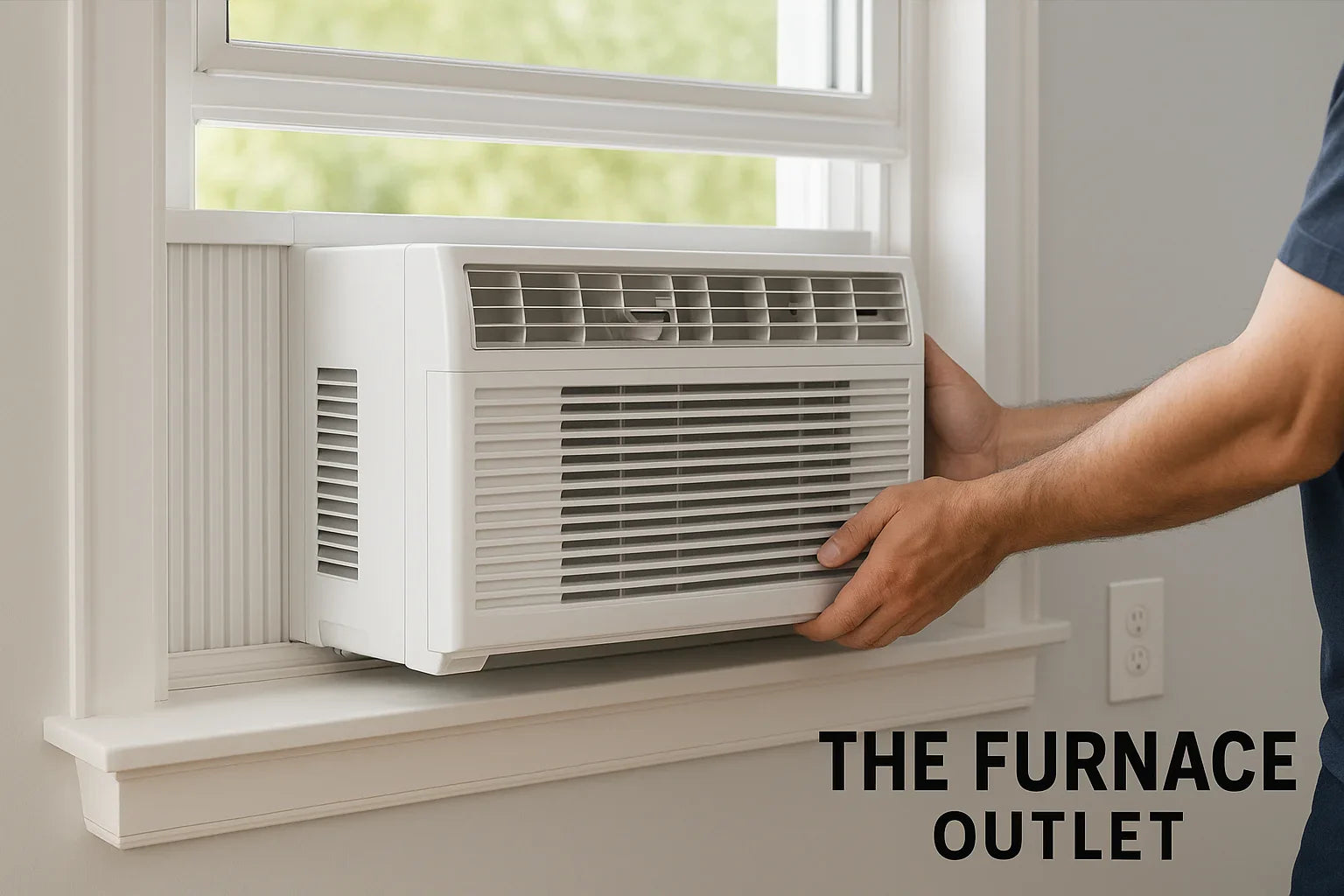
Credit: thefurnaceoutlet.com
Frequently Asked Questions
How Do I Know If My Window Ac Needs Freon?
Check if your AC is blowing warm air or cooling less. Low Freon causes poor cooling and ice buildup on coils. If these signs appear, your unit likely needs a Freon recharge.
Can I Add Freon To My Window Air Conditioner Myself?
Yes, you can add Freon yourself if you follow safety steps and use the right tools. However, handling refrigerants requires care and proper equipment to avoid leaks or injury.
What Type Of Freon Does A Window Ac Use?
Most window AC units use R-22 or R-410A refrigerants. Check your unit’s label or manual to confirm the exact type needed before purchasing Freon.
How Much Freon Should I Add To My Ac Unit?
Refer to your AC’s specifications for the correct Freon amount. Overcharging can damage the system, so add refrigerant gradually and monitor cooling performance.
Conclusion
Putting Freon in a window air conditioner is a careful task. Follow each step to avoid mistakes. Use the right tools and safety measures. Check for leaks before adding Freon. Keep the area well-ventilated. Proper Freon levels help the unit cool better.
Regular maintenance keeps your air conditioner working well. Small efforts save money and extend the unit’s life. Stay patient and take your time. This guide helps you handle the process safely and effectively.