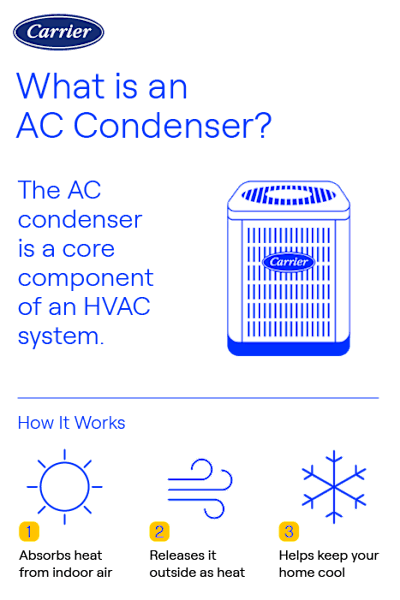
Have you ever wondered how your air conditioner keeps your home cool and comfortable? One of the key parts making this possible is the air conditioner condenser.
Understanding what an air conditioner condenser is and how it works can help you take better care of your cooling system. You’ll discover the essential role this component plays and why it’s so important for your comfort during hot days.
Keep reading to unlock the secrets behind your AC’s cooling power and learn tips that can save you money on repairs.
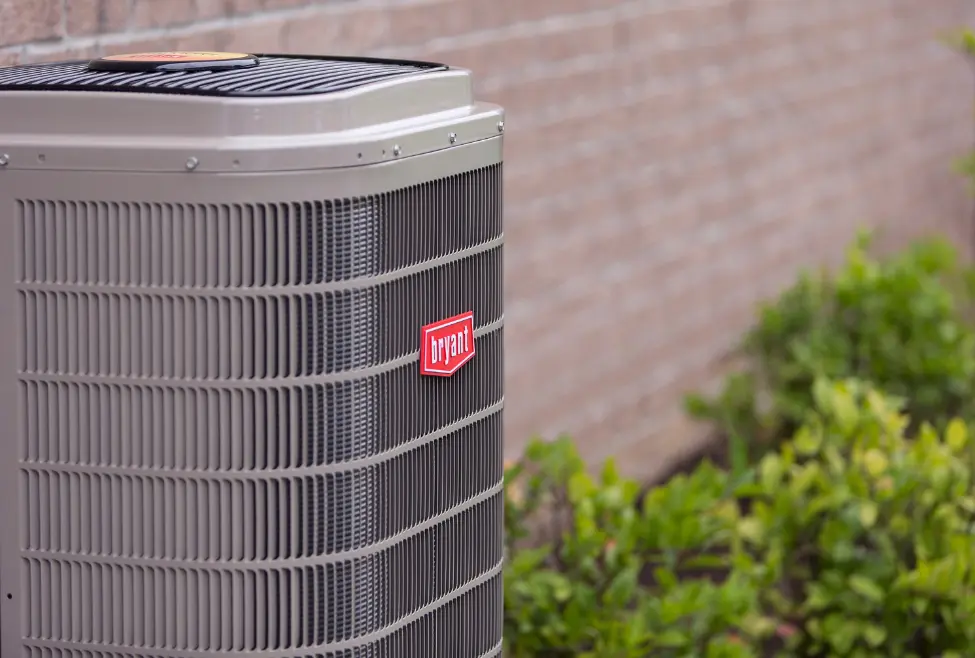
Credit: www.lochardplumbingheatingandcooling.com
Role Of The Condenser
The condenseris a key part of an air conditioner. It sits outside the building and helps cool the hot gas from inside.
It works with other parts like the compressor and evaporator. The compressor sends hot gas to the condenser. The condenser cools the gas down and turns it into a liquid. This liquid then moves to the evaporator inside.
This cycle keeps the air inside cool and fresh. Without the condenser, the air conditioner cannot remove heat properly.
| Part | Role |
|---|---|
| Compressor | Compresses and sends hot gas to the condenser |
| Condenser | Cools hot gas and changes it to liquid |
| Evaporator | Absorbs heat from inside air, cooling the room |
- The condenser releases heat outside.
- Fan blows air over condenser coils.
- Heat moves from gas to outside air.
- Gas cools and changes to liquid.
Key Components
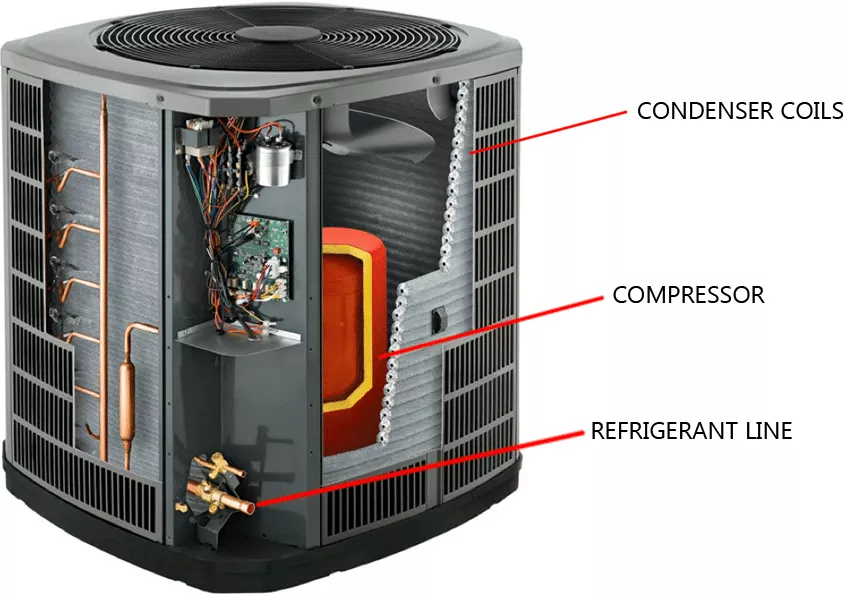
The compressoris the heart of the condenser. It squeezes the refrigerant, turning it into a hot gas. This high pressure gas moves to the condenser coil.
The condenser coilcools the hot gas. It changes the gas into liquid by releasing heat outside. This coil is made of metal to help heat move fast.
The fanblows air over the condenser coil. This air carries heat away from the coil. It keeps the coil cool and helps the cooling process.
Types Of Condensers
Air-Cooled Condensersuse air to cool the refrigerant. Fans blow air over coils to remove heat. They are common in homes and small buildings. These condensers are easy to install and maintain. They work best in places with good airflow and mild weather.
Water-Cooled Condensersuse water to cool the refrigerant. Water flows through pipes next to the coils. This method cools more efficiently than air-cooled types. Often found in large buildings and industrial plants. They need a water source and more maintenance.
Evaporative Condenserscombine air and water cooling. Water is sprayed on coils while fans blow air. This helps remove heat faster than air-cooled condensers. Used in places with limited water or space. They save energy but need regular cleaning.
Credit: kayplumbing.com
Common Issues
Clogged coilsstop the condenser from cooling properly. Dirt and debris block airflow. This makes the AC work harder and use more energy. Cleaning the coils helps the system run smoothly.
Refrigerant leakslower the cooling power. Leaks cause the system to lose refrigerant, making it less effective. Low refrigerant can damage the compressor and raise bills.
Fan problemsaffect the airflow needed to cool the condenser. Broken or slow fans cause the unit to overheat. Fans must be checked and fixed quickly to avoid bigger issues.
Maintenance Tips
Cleaning the coilshelps the condenser work better. Dirt and dust block airflow and reduce cooling. Use a soft brush or hose to gently clean the coils. Avoid using strong water pressure to prevent damage. Cleaning should happen at least once a year.
Checking refrigerant levelsis important for cooling performance. Low refrigerant means the air conditioner cools less. A certified technician can check and refill refrigerant safely. Never try to add refrigerant yourself.
Inspecting the fankeeps the condenser running smoothly. The fan moves air through the coils to cool the refrigerant. Check for bent blades or dirt buildup. Make sure the fan motor runs quietly without noise or vibration.
Energy Efficiency
Energy efficiencydepends a lot on the condition of the condenser. A dirty or damaged condenser makes the air conditioner work harder. This leads to higher electricity useand increased bills. Cleaning and maintaining the condenser keeps the system running smoothly.
Choosing to upgrade to newer, efficient condenser modelscan save energy. Modern condensers use less powerand cool faster. This helps reduce carbon footprintand lower energy costs. Many models come with features that improve airflow and heat exchange, making them more effective.
| Condenser Condition | Energy Use | Cooling Efficiency |
|---|---|---|
| Clean and Well-Maintained | Low | High |
| Dirty or Damaged | High | Low |
| New Efficient Model | Lowest | Highest |

Credit: thelenmechanical.com
Frequently Asked Questions
What Is The Function Of An Air Conditioner Condenser?
An air conditioner condenser releases heat from the refrigerant to the outside air. It cools the refrigerant by converting it from gas to liquid, enabling the cooling cycle inside your home.
Where Is The Condenser Located In An Air Conditioner?
The condenser is typically located outside the building. It houses the coil, fan, and compressor, working together to expel heat absorbed from indoor air.
How Does The Condenser Affect Air Conditioner Efficiency?
A clean and well-maintained condenser improves cooling efficiency. It ensures proper heat dissipation, reducing energy consumption and enhancing overall air conditioner performance.
What Are Common Signs Of A Faulty Condenser?
Signs include reduced cooling, unusual noises, and higher energy bills. These indicate the condenser may be clogged, damaged, or failing to release heat properly.
Conclusion
The air conditioner condenser plays a key role in cooling your home. It pushes heat from inside to outside. Without it, your air conditioner cannot work well. Knowing how it works helps you keep it clean and efficient. Regular care can extend its life and save energy.
Simple steps prevent breakdowns and costly repairs. Understanding this part makes you a smarter homeowner. It keeps your space cool and comfortable. A small part, but very important.