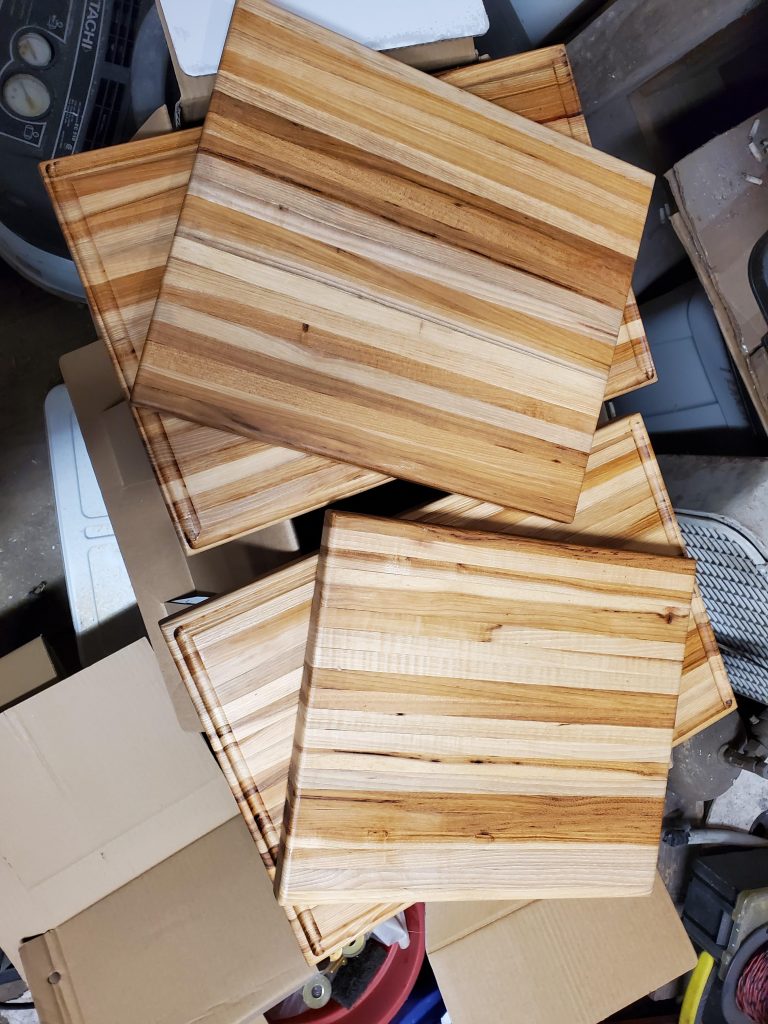
When it comes to choosing the perfect cutting board, you want something that lasts longer and keeps your knives sharp. Have you ever wondered why many chefs prefer end grain cutting boards over others?
The secret lies in how they handle your daily chopping, slicing, and dicing. If you want a cutting board that protects your knives and stays beautiful for years, understanding the benefits of end grain boards is a must. Keep reading, and you’ll discover why this choice could change the way you cook forever.

Credit: www.reddit.com
End Grain Vs. Edge Grain
Cutting boards come in different types based on wood grain. Two common types are end grain and edge grain. Each type has unique features and uses.
Understanding the difference helps you choose the best cutting board for your kitchen.
Grain Orientation Explained
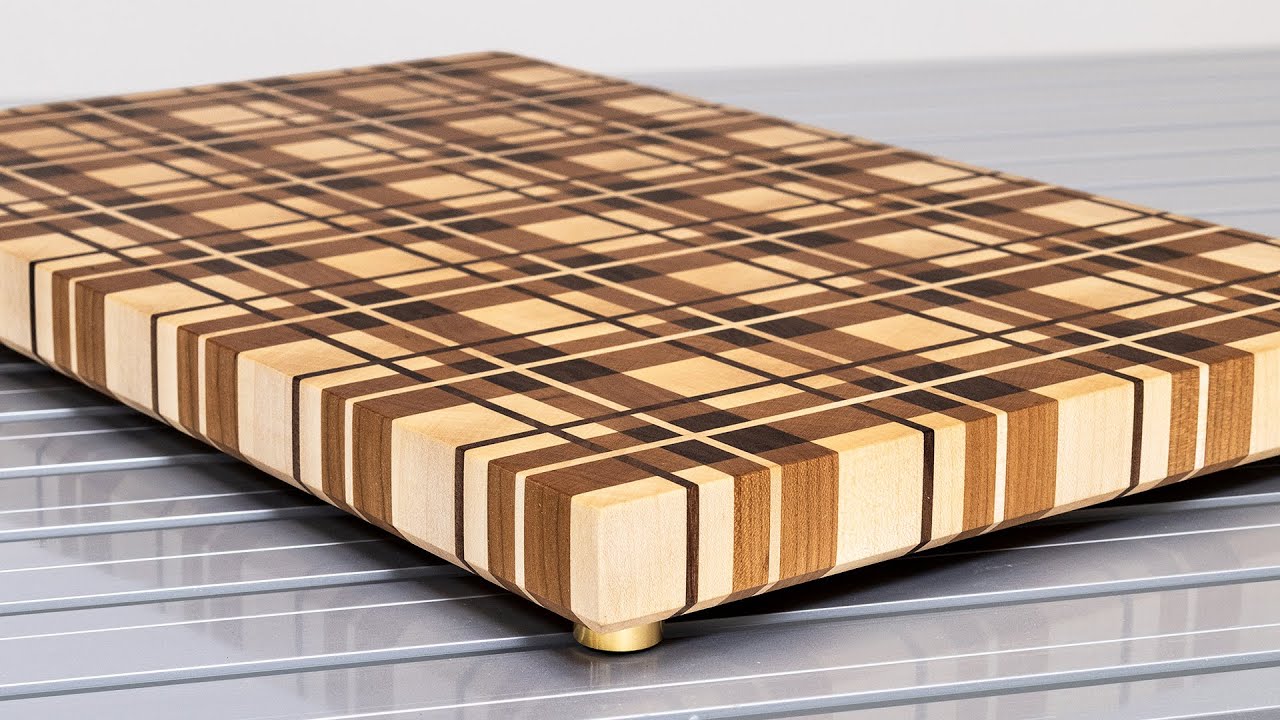
End grain boards show the wood fibers’ ends on the surface. The cutting surface looks like many small squares. The knife cuts between the fibers.
Edge grain boards show long wood fibers running along the surface. The knife cuts across the fibers. The board’s surface looks like long wood strips.
- End grain: fibers stand upright, like cutting into tree rings
- Edge grain: fibers lie flat, like cutting along the wood
Durability Differences
End grain boards last longer than edge grain boards. The fibers can absorb knife cuts without damage. The knife blade stays sharper longer.
Edge grain boards show knife marks sooner. The surface can wear down faster. The knife cuts across the fibers, causing more damage.
- End grain boards self-heal better from cuts
- Edge grain boards are less resistant to deep cuts
- End grain protects knives by giving way to the blade
- Edge grain is usually thinner and lighter but less durable
Benefits Of End Grain Boards
End grain cutting boards are popular for many reasons. They offer a surface that protects your knives and lasts a long time.
These boards are made by arranging wood pieces so the grain faces up. This design gives them special qualities.
Knife Friendly Surface
End grain boards are gentle on knives. The wood fibers absorb the blade’s impact, reducing dullness.
- Less damage to knife edges
- Knives stay sharper for longer
- Safer cutting experience
Self-healing Properties
The wood fibers in end grain boards can close up after cuts. This means scratches and marks fade over time.
| Feature | End Grain Board | Other Boards |
|---|---|---|
| Self-Healing | Yes | No |
| Visible Knife Marks | Minimal | High |
| Maintenance Needed | Low | Higher |
Long-lasting Appearance
End grain boards keep their look for years. They resist deep cuts and stains better than other types.
- Durable surface
- Resists warping and cracking
- Easy to clean and maintain
Maintenance And Care
End grain cutting boards need proper care to last long and stay safe. Good maintenance keeps the wood healthy and food-safe.
Cleaning, oiling, and careful use help protect your board from damage and wear.
Cleaning Tips
Clean your end grain board right after use. Avoid soaking it in water or using harsh chemicals.
- Use warm water and mild soap with a soft sponge
- Rinse quickly and dry with a clean towel
- Stand the board upright to air dry fully
- Do not put it in a dishwasher
Oiling And Conditioning
Regular oiling keeps the wood from drying out and cracking. Use food-safe mineral oil or board conditioner.
| Frequency | What to Use | How to Apply |
| Monthly | Mineral Oil | Rub oil evenly, let absorb for hours |
| Every 3 Months | Beeswax Conditioner | Apply a thin coat, buff with cloth |
| As Needed | Food-Safe Conditioner | Use if board feels dry or rough |
Avoiding Damage
Protect your board by avoiding rough use and harmful conditions. This keeps it strong and smooth.
- Do not cut with very sharp or serrated knives aggressively
- Avoid dropping or banging the board on hard surfaces
- Keep it away from extreme heat or direct sunlight
- Do not leave wet or soaked for long periods
Credit: www.youtube.com
Common Uses And Suitability
End grain cutting boards are popular in many kitchens. They are made by arranging wood so the grain faces upward.
This design helps protect knives and keeps the board strong. It fits well for different kitchen tasks.
Ideal Cutting Tasks
End grain boards work best for chopping and slicing. The wood fibers absorb the knife’s impact, which keeps blades sharper.
They handle heavy use well and are gentle on knives. This makes them suitable for cutting vegetables, fruits, and meats.
- Chopping herbs and vegetables
- Slicing fruits and cheese
- Cutting raw and cooked meats
- Preparing dough and bread
Kitchen Compatibility
These boards fit well in both home and professional kitchens. Their durability suits busy cooking environments.
End grain boards need regular oiling to stay in good shape. They match well with wooden and stainless steel kitchen tools.
- Works well with sharp knives
- Suitable for heavy chopping tasks
- Needs maintenance with mineral oil
- Matches wooden and metal kitchen tools
Choosing The Right End Grain Board
End grain cutting boards are a popular choice for many kitchens. They offer durability and protect your knives better than other boards.
Choosing the right end grain board means looking at several factors. These include material, size, thickness, and price.
Material Options
End grain boards come in different wood types. Each wood has its own benefits and look.
Hardwoods like maple and walnut are common. They resist cuts and last a long time.
- Maple: light color, very durable
- Walnut: dark color, elegant appearance
- Cherry: reddish tone, smooth finish
- Bamboo: eco-friendly, lightweight
Size And Thickness
Size matters for your cutting board. A larger board offers more space for food prep.
Thickness affects durability. Thicker boards can handle heavy use and last longer.
- Small boards (12×18 inches) fit small kitchens
- Medium boards (18×24 inches) suit most tasks
- Large boards (24×36 inches) give extra prep space
- Thickness usually ranges from 1.5 to 2.5 inches
Price Considerations
End grain boards can be costly. Price depends on wood type, size, and craftsmanship.
Investing in a quality board saves money over time. Cheap boards wear out faster and may need replacing.
- Hardwoods like walnut cost more than maple
- Larger and thicker boards have higher prices
- Handmade boards often cost more than machine-made
- Look for a board that fits your budget and needs

Credit: www.reddit.com
Frequently Asked Questions
What Makes End Grain Cutting Boards Better Than Others?
End grain boards show the wood’s grain vertically, making them gentler on knives. They self-heal small cuts and last longer. This design reduces wear on blades and keeps the board looking new.
Are End Grain Cutting Boards More Durable?
Yes, end grain boards are highly durable. Their vertical grain absorbs knife impacts better. This reduces deep cuts and prolongs the board’s life, making them a smart investment for heavy kitchen use.
Do End Grain Cutting Boards Protect Knives Better?
End grain boards protect knives by allowing blades to slide between wood fibers. This minimizes dulling compared to other boards. As a result, knives stay sharper longer with less frequent sharpening needed.
How Do You Maintain An End Grain Cutting Board?
Maintain end grain boards by regularly oiling them with food-safe mineral oil. Clean with mild soap and water, then dry immediately. Avoid soaking or harsh chemicals to prevent warping and cracking.
Conclusion
End grain cutting boards last longer and stay sharper. They protect knives better than other types. The wood fibers close after each cut, keeping the board smooth. These boards resist deep cuts and stains well. They also look nice in any kitchen.
Choosing an end grain board means investing in quality and durability. Easy to clean and maintain, they fit daily cooking needs. A smart choice for anyone who cooks often. Simple care helps them stay useful for years.