Have you ever wondered if liquid measurements are the same as dry ones? If you’ve ever followed a recipe and hesitated at the measuring step, you’re not alone.
Using the wrong type of measurement can change the outcome of your dish, leaving you frustrated and confused. Understanding the difference between liquid and dry measurements can save you time and improve your cooking results. Keep reading to discover simple tips that will make your kitchen tasks easier and your meals tastier.
Credit: www.recipesandplaces.com
Differences Between Liquid And Dry Measurements
Liquid and dry measurements are not the same. Each type uses different techniques and tools. Knowing the differences helps in cooking and baking.
Using the right measurement method ensures the recipe turns out well. It also prevents mistakes in the kitchen.
Measurement Techniques
Liquid measurements use a container to hold the fluid. You read the level at eye height. This helps get an accurate amount.
Dry measurements involve scooping or spooning ingredients into a cup. Then level off the top with a flat edge. This avoids packing the ingredient.
Common Units Used
Liquids are measured in cups, fluid ounces, and milliliters. These units show volume of the liquid.
Dry ingredients use cups, tablespoons, teaspoons, and grams. Weight is often used for dry ingredients for accuracy.
- Liquid: cups, fluid ounces, milliliters
- Dry: cups, tablespoons, teaspoons, grams
Tools For Measuring
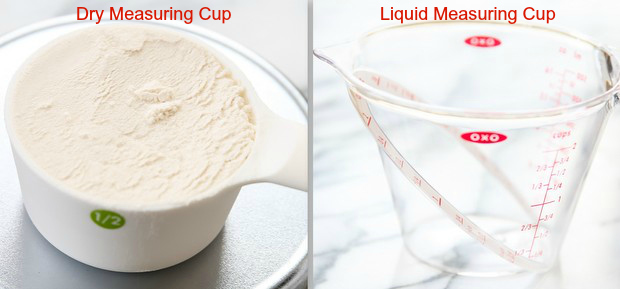
Liquid measuring cups have a spout and clear markings. They are usually made of glass or plastic.
Dry measuring cups are solid and meant to be filled to the top. Kitchen scales are also useful for dry ingredients.
- Liquid measuring cup
- Dry measuring cups
- Kitchen scale
Impact On Cooking And Baking
Liquid and dry measurements are not the same. Using the wrong type can change the recipe’s outcome. This matters for both cooking and baking.
Measuring liquids with dry cups or dry ingredients with liquid cups can cause errors. These errors affect texture, taste, and appearance.
How Accuracy Affects Recipes
Accurate measurements help recipes turn out as expected. Baking is more sensitive to mistakes than cooking. Small changes can make big differences.
Using the right measurement tools keeps ingredient amounts correct. This helps maintain balance between wet and dry parts of a recipe.
Examples Of Measurement Mistakes
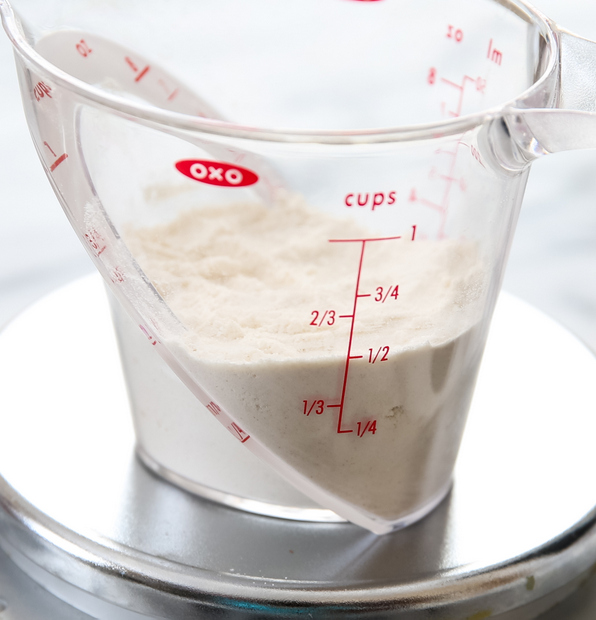
Measuring flour in a liquid cup can pack it too tightly. This adds too much flour and makes baked goods dry or tough.
Using a dry cup for liquids can cause spills and inaccurate amounts. This can make sauces too thin or thick.
- Filling a liquid cup over the line causes too much liquid
- Leveling dry ingredients incorrectly adds extra flour or sugar
- Not using a liquid measuring cup for liquids leads to guesswork
Adjusting Recipes For Different Measurements
Know how to convert between liquid and dry measurements. Use weight measurements for best accuracy. This avoids confusion.
Adjust recipes by using measuring cups correctly. Use liquid cups for wet items and dry cups for dry items. Check measurement marks carefully.
- Use a kitchen scale to measure ingredients by grams or ounces
- Pour liquids into a clear liquid measuring cup on a flat surface
- Spoon dry ingredients into a dry cup and level with a knife
Converting Between Liquid And Dry Measurements
Liquid and dry measurements are not always the same. This can make cooking and baking confusing. Knowing how to convert between them is useful in the kitchen.
Understanding the differences helps you measure ingredients correctly. This improves the taste and texture of your recipes.
When Conversion Is Necessary
You need to convert when a recipe uses a different type of measurement than you have. For example, if it lists cups for liquid but you only have a dry measuring cup.
Also, some ingredients are sold by weight, but the recipe uses volume. This is common with flour, sugar, and liquids like milk or oil.
Standard Conversion Ratios
Dry and liquid ingredients have different densities. This means 1 cup of flour does not weigh the same as 1 cup of water. Here are some common conversions:
| Ingredient | 1 Cup (Volume) | Approximate Weight |
|---|---|---|
| Water (liquid) | 1 cup | 8 fluid ounces |
| Flour (dry) | 1 cup | 4.5 ounces (about 125 grams) |
| Sugar (dry) | 1 cup | 7 ounces (about 200 grams) |
| Milk (liquid) | 1 cup | 8.6 fluid ounces |
Use these ratios as a guide when converting. Note that weights are more accurate than volume.
Tips For Accurate Conversion
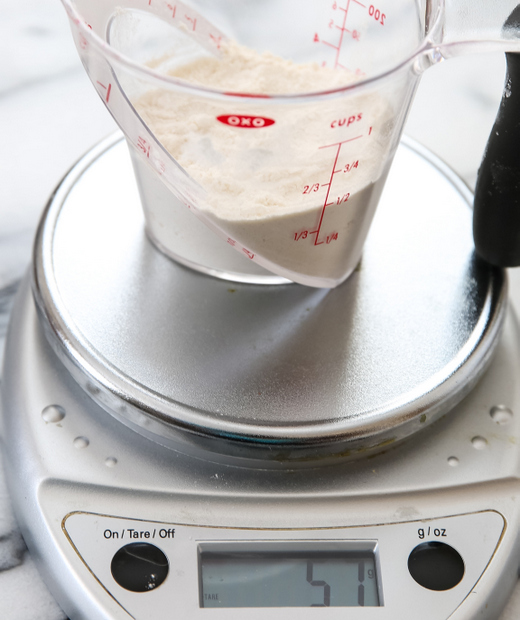
Use a kitchen scale for best results. Weigh ingredients instead of relying on cups or spoons. This reduces errors.
Use the right measuring tools. Liquid cups have a spout and space above the measurement line. Dry cups are flat on top for leveling.
- Level dry ingredients with a knife for accuracy
- Pour liquids on a flat surface and check at eye level
- Write down conversions you use often
- Adjust recipes slowly when trying new conversions
Common Misconceptions About Measurements
Many people think liquid and dry measurements are the same. This causes confusion in cooking and baking. Understanding the difference helps get better results.
Measuring ingredients correctly is important. Different tools and methods can change the amount you use. This guide explains common mistakes about measurements.
Why Volume And Weight Differ
Volume measures space an ingredient takes up. Weight measures how heavy it is. These two are not the same.
For example, a cup of flour and a cup of sugar fill the same space. But sugar weighs more because it is denser.
- Volume is about space (cups, teaspoons).
- Weight is about mass (grams, ounces).
- Different ingredients have different densities.
Myths About Measuring Cups
Many think all measuring cups are the same. Liquid and dry measuring cups are made differently for a reason.
Dry measuring cups are meant to be filled and leveled off. Liquid cups have space to prevent spills and usually have a spout.
- Dry cups are solid and meant to be packed or leveled.
- Liquid cups have space above the mark for easy pouring.
- Using the wrong cup can cause wrong amounts.
How Ingredient Density Affects Measurements
Density is how much mass fits in a given volume. Ingredients with high density weigh more in the same space.
This means a cup of one ingredient can weigh very different from a cup of another. This affects recipes that use volume instead of weight.
| Ingredient | Density | Example: Weight per 1 Cup |
|---|---|---|
| Flour | Low | 120 grams |
| Sugar | Medium | 200 grams |
| Butter | High | 227 grams |
Best Practices For Measuring Ingredients
Measuring ingredients correctly affects the outcome of your recipes. Using the right methods helps you cook and bake with confidence.
This guide explains how to measure liquids and dry ingredients the right way. It also shows which tools to use for best results.
Using The Right Tools
Choosing proper measuring tools is important. Use tools made for liquids and others made for dry ingredients to avoid mistakes.
- Use liquid measuring cups with a spout for pouring liquids.
- Use dry measuring cups that you can level off for dry ingredients.
- Use measuring spoons for small amounts of both liquid and dry items.
- A digital kitchen scale can improve accuracy for all ingredients.
Techniques For Liquid Ingredients
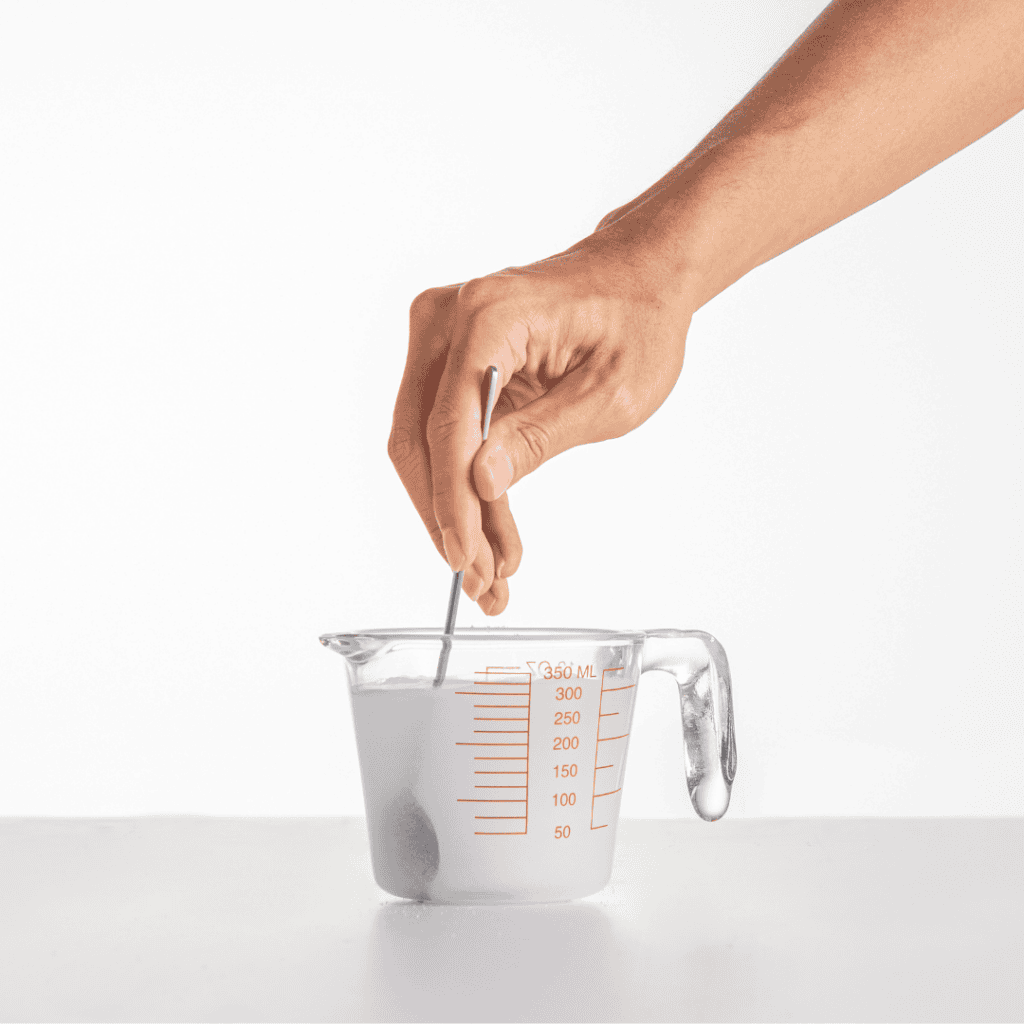
Pour liquids into a clear measuring cup placed on a flat surface. Check the measurement at eye level to get an accurate amount.
- Fill the cup to the desired mark without spilling.
- Use a steady hand to avoid shaking the cup.
- For sticky liquids like honey, lightly oil the measuring cup first.
Techniques For Dry Ingredients
Use dry measuring cups and fill them properly. Level off the excess with a flat edge for exact measurement.
| Ingredient | How to Measure |
| Flour | Spoon into cup, then level off with a knife |
| Sugar | Scoop and level off with a flat edge |
| Cocoa Powder | Sift first, then scoop and level |
Credit: kirbiecravings.com
Credit: kirbiecravings.com
Frequently Asked Questions
Are Liquid And Dry Measurements The Same?
No, liquid and dry measurements differ. Liquids are measured by volume using cups or milliliters. Dry ingredients are measured by weight or volume with different tools. Using the wrong measurement can affect recipe accuracy and final results.
Why Can’t Liquid Cups Measure Dry Ingredients?
Liquid measuring cups have spouts for pouring and are transparent. Dry measuring cups are meant to be filled and leveled off. Using liquid cups for dry ingredients can cause inaccurate measurements and impact recipe success.
How To Convert Dry To Liquid Measurements?
To convert dry to liquid, know the ingredient’s density. For example, 1 cup of flour weighs about 120 grams, which equals 0. 5 cups liquid volume. Conversion charts help ensure precise measurements between dry and liquid forms.
Does Liquid Measurement Affect Baking Results?
Yes, precise liquid measurement is crucial in baking. Too much or too little liquid changes batter consistency and texture. Using correct measuring tools ensures consistent and successful baking outcomes every time.
Conclusion
Liquid and dry measurements are not the same. Liquids fill a cup differently than dry ingredients. Using the right tool helps your recipe turn out well. Measuring cups for liquids usually have a spout. Dry measuring cups let you level off ingredients.
Mixing these up can change the taste or texture. Take your time to measure carefully. This small step makes cooking and baking easier. Understanding this difference improves your kitchen skills. Give it a try, and see the difference yourself.