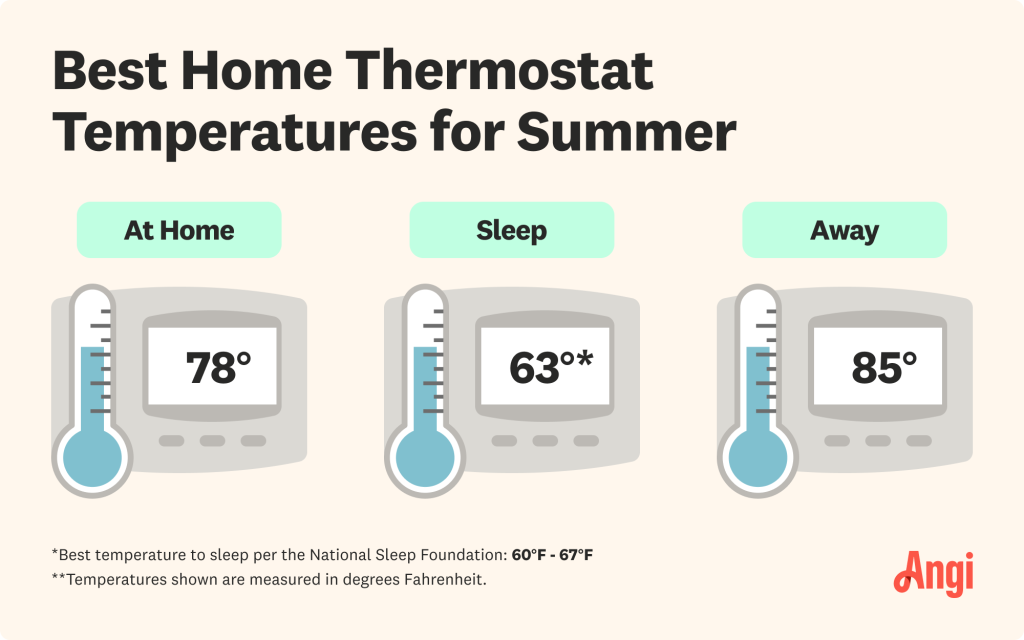
Are you tired of constantly adjusting your air conditioner, unsure if you’re setting it just right? Finding the best temperature to set your AC can save you money, keep you comfortable, and even help the environment.
But what exactly is the ideal setting for your home or office? You’ll discover simple, practical tips to get the perfect balance between cool comfort and energy efficiency. Keep reading, and you’ll never have to guess the best temp for your air conditioner again.
Credit: heatable.co.uk
Ideal Temperature Settings
Setting the air conditioner to the ideal temperaturebalances comfortand energy use. For most people, around 78°F (25-26°C)is comfortable and saves power. Lower temperatures cool faster but use more energy. Higher settings use less energy but might feel warm.
Seasonal adjustmentshelp too. In summer, keep the AC cooler to fight heat. In spring or fall, a higher setting can work well since outside temperatures are mild. Adjusting the temperature with the season keeps your home comfy and your bills low.
- Set temperature near 78°F for best comfort and savings.
- Avoid very low settings to save energy.
- Raise temperature a bit in cooler months.
- Use a programmable thermostat for easy changes.
Energy Saving Tips
Setting your air conditioner to 78°F (26°C)helps save energy and keeps you comfortable. This temperature balances coolness and cost. Using fans with AC spreads cool air better, so you can feel cooler without lowering the thermostat too much.
Fans use less power than air conditioners. Running ceiling or portable fans with AC lets you set the thermostat higher without losing comfort. This reduces electricity use and lowers bills.
- Set thermostat to 78°F when you are home and active.
- Increase temperature a few degrees when away or sleeping.
- Use fans to improve air circulation and comfort.
- Turn off fans when no one is in the room.
Health Considerations
Setting your air conditioner too cold can cause health problems. Cold air can make you feel stiffor cause headaches. It might also increase the risk of coldsor flu.
Keeping the temperature moderate helps your body stay comfortableand healthy. Avoid setting the AC below 72°F (22°C) to prevent extreme cold inside your home.
- Humidity controlis key for health and comfort.
- Too much humidity can cause moldand allergies.
- Too little humidity may lead to dry skinand irritated eyes.
- A good AC helps keep humidity around 40-60%.
- This balance stops germs and keeps air fresh.
Smart Thermostats
Smart thermostatsmake controlling your air conditioner easy. They can adjust temperatures automatically, saving energy and money. These devices learn your daily routine and change settings to fit your needs without you doing anything.
Automation helps keep your home comfortable at all times. It can turn the AC off when no one is home. This stops wasting power and lowers bills. You get a cool house when you return.
Learning your preferences means the thermostat remembers what you like. It knows if you prefer cooler air at night or warmer during the day. This makes your home feel just right, all day long.
Impact On Ac Lifespan
Proper maintenance helps your air conditionerlast longer. Clean or replace filters often to keep airflow smooth. Check for leaks or damage to avoid strain. Regular servicing ensures parts work well and saves energy.
Avoiding overuse keeps the AC from breaking down. Setting the temperature too low makes the system work harder. Running the AC constantly wears out parts faster. Turn it off or raise the temp when no one is home. This reduces stresson the unit and extends its lifespan.
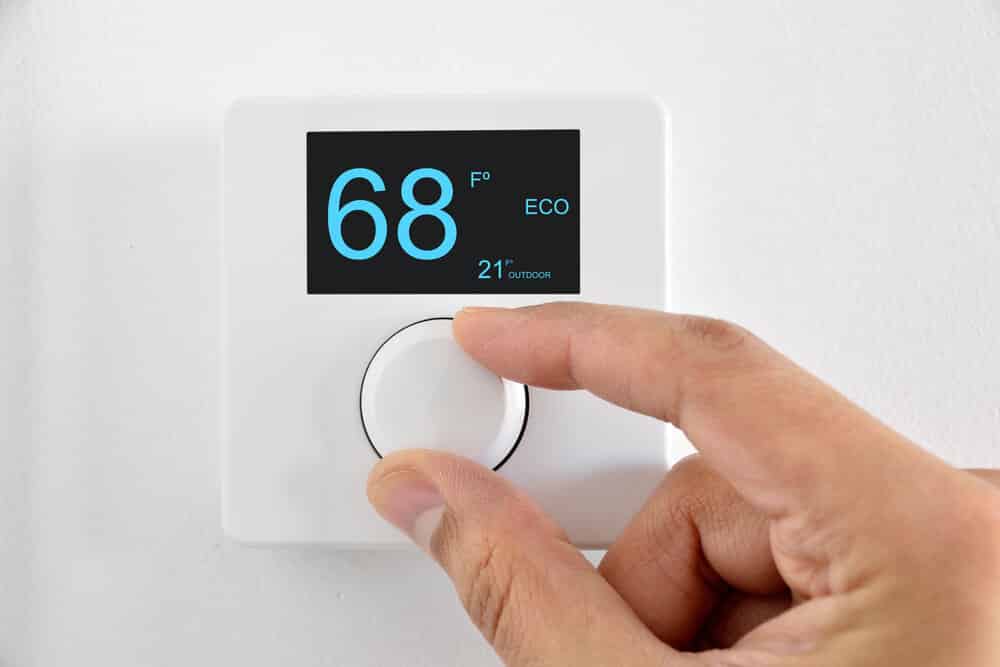
Credit: fischerheating.com

Credit: www.healthkart.com
Frequently Asked Questions
What Is The Ideal Temperature To Set An Air Conditioner?
The ideal temperature for an air conditioner is typically between 72°F and 78°F. This range balances comfort and energy efficiency. Setting it around 75°F helps maintain coolness without high electricity bills.
How Does Temperature Affect Ac Energy Consumption?
Lower temperatures make your AC work harder, increasing energy use. Setting the thermostat closer to 78°F reduces power consumption. This saves money and extends your unit’s lifespan.
Can Setting Ac Too Low Cause Problems?
Yes, setting your AC too low can cause high energy bills and strain the system. It may also lead to uneven cooling and potential breakdowns over time.
What Temperature Saves The Most Energy With Ac?
Setting your AC to 78°F when home saves the most energy. Raising the temperature when away by 7-10°F can further cut energy costs.
Conclusion
Setting your air conditioner to the right temperature saves energy and money. Aim for a balance between comfort and efficiency. Around 78°F (25-26°C) works well for most people in summer. Adjust a bit if you feel too hot or cold.
Using a fan can help spread cool air better. Remember, small changes make a big difference. Stay cool without wasting power. Your AC will last longer, and your bills stay lower. Simple steps lead to smarter cooling every day.