Is your car’s air conditioner not blowing cold air like it used to? The problem might be with your air conditioner compressor.
Knowing how to test your car’s AC compressor can save you time and money by pinpointing the issue before you visit a mechanic. You’ll learn simple, step-by-step methods to check if your compressor is working properly. By the end, you’ll feel confident handling this important part of your car’s cooling system—and keep your rides cool all year round.
Keep reading to find out how!
Signs Of A Faulty Compressor
Unusual noiseslike grinding or squealing often signal a bad compressor. Strange sounds mean parts inside may be broken or worn out. These noises usually get louder when the AC runs.
Ineffective coolinghappens when the compressor cannot push cold air well. The car might feel warm even when the AC is on. This shows the compressor is failing to keep the air cold.
Leaking refrigerantcauses poor cooling and can damage the AC system. Look for oily spots or wet areas near the compressor. Leaks lower the pressure inside, making the AC less effective.
Credit: www.rycompressors.com
Tools Needed For Testing
Multimeterhelps check electrical parts in the compressor. It measures voltage, current, and resistance. This tool shows if wires and coils work well or not.
Manifold Gauge Setmeasures pressure in the air conditioning system. It helps find out if the compressor pumps refrigerant correctly. This tool shows high and low pressure readings for the system.
UV Leak Detectorfinds leaks in the AC system. Special dye is added, and UV light shows where gas escapes. This tool helps spot leaks that cause poor cooling.
Visual Inspection Steps
Check the compressor for any cracks, dents, or rust. These signs show physical damage. Make sure the compressor body is clean and dry.
Inspect all electrical connections. Wires should be secure and free of corrosion. Look for any loose or broken wires that could cause problems.
- Look around the compressor for oil stains, which may show refrigerant leaks.
- Check hoses and fittings for any wet spots or bubbles.
- Listen for hissing sounds that could mean a leak.

Credit: www.hi-speedtyres.co.uk
Electrical Testing Procedures
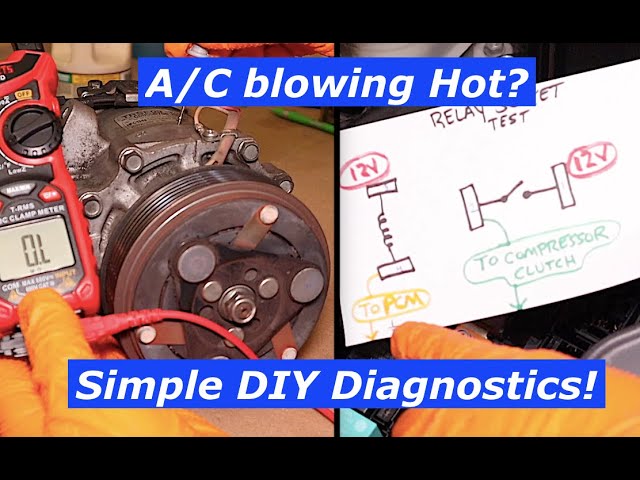
Testing the clutch coilinvolves checking its resistance with a multimeter. The coil should have a specific resistance value, usually between 3 to 5 ohms. A very high or zero reading means the coil is damagedor broken.
Checking voltage and continuityhelps confirm the coil gets power and the circuit is complete. Use a multimeter to test voltage at the coil connector when the AC is on. There should be around 12 volts. For continuity, test the wiring from the fuse box to the coil.
| Component | What to Check | Expected Result |
|---|---|---|
| Relay | Listen for clicking sound when AC is switched on | Click indicates relay works properly |
| Fuse | Check fuse for damage or burn marks | Fuse should be intact and unbroken |
Pressure Testing Methods
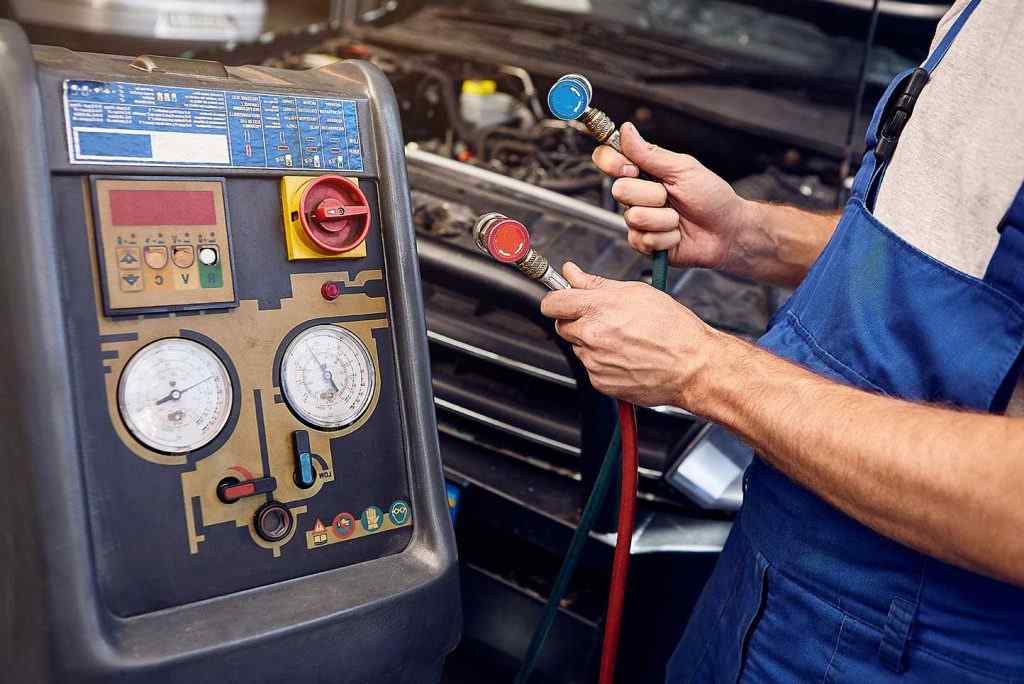
Manifold gauges connect to the car’s air conditioner ports. The high-pressure hoseattaches to the high side port. The low-pressure hoseattaches to the low side port. These gauges measure the pressure inside the system.
Readings show the pressure on each side of the compressor. The low side pressureusually ranges between 25 and 45 psi. The high side pressureis often between 200 and 250 psi, but this varies with temperature.
| Pressure Side | Normal Range (psi) | What It Means |
|---|---|---|
| Low Side | 25 – 45 | Shows refrigerant entering compressor |
| High Side | 200 – 250 | Shows refrigerant leaving compressor |
Low pressure too low means possible refrigerant leakor blockage. High pressure too high suggests compressor issuesor overcharge. Balanced readings mean the compressor works well.
Credit: www.lamborghini-talk.com
Clutch Engagement Verification
Turn on the car’s AC system to test the compressor clutch. Set the temperature to the coldest and fan speed to high. The clutch should engage within a few seconds.
Watch the clutch at the front of the compressor. It should spin smoothlyand engage quickly. A clicking sound often means the clutch is working.
- If the clutch does not engage, check the fuseand relay.
- Look for loose wiresor damaged connectors.
- Test the pressure switchto ensure correct readings.
- Inspect the compressor beltfor wear or looseness.
Safety Tips During Testing
Wear protective glovesand safety glasses to protect your skin and eyes.
Clothing that covers arms and legs helps prevent injuries.
Handle refrigerants with care. They can cause frostbite and harm your lungs.
Always work in a well-ventilated area to avoid inhaling fumes.
Keep refrigerants away from open flames or heat sources.
Turn off the car engineand disconnect the battery before testing.
Check for exposed wires or damaged insulation to avoid shocks.
Use insulated tools and avoid touching electrical parts directly.
Test in dry conditions to reduce the risk of electrical hazards.
When To Seek Professional Help
Complex electrical problems with your car’s air conditioner compressor need expert care. These issues involve wiring, fuses, or relays. Professionals have the right tools to diagnose and fix them safely.
Severe refrigerant leaks can cause the AC to stop cooling properly. Handling refrigerant requires special equipment and knowledge. A technician can locate the leak and recharge the system correctly.
Compressor replacement is a big job. It needs special tools and skills to remove and install the part. Experts ensure the new compressor fits well and works efficiently.
- Electrical issues: wiring, fuses, relays
- Refrigerant leaks: detection and recharge
- Compressor replacement: proper removal and installation
Frequently Asked Questions
How Do I Check If My Car Ac Compressor Works?
Start the engine and turn on the AC. Listen for a clicking sound from the compressor clutch engaging. Check if cold air blows from vents. If the clutch doesn’t engage or air isn’t cold, the compressor might be faulty and needs testing or replacement.
What Tools Are Needed To Test Ac Compressor?
You need a multimeter to check electrical continuity, a pressure gauge to measure refrigerant pressure, and a wrench set. These tools help diagnose compressor clutch function, electrical issues, and refrigerant levels accurately, ensuring a proper AC compressor test.
Can I Test Car Ac Compressor Without Removing It?
Yes, you can perform basic tests without removal. Check the compressor clutch engagement, electrical continuity, and system pressure with gauges. However, detailed internal inspections require removal. Initial tests help identify if compressor replacement or repair is necessary.
Why Is My Car Ac Compressor Clutch Not Engaging?
Common causes include low refrigerant, electrical faults, or a worn-out clutch coil. Check refrigerant levels and fuses first. If those are fine, test the clutch coil resistance with a multimeter. Repair or replace faulty components to restore compressor clutch function.
Conclusion
Testing your car’s AC compressor keeps your ride cool and comfortable. Check the compressor carefully for any signs of damage or failure. Use simple tools and follow clear steps to avoid mistakes. Regular testing helps find problems early and saves money.
Keep your car’s cooling system working well all year. Stay safe and take your time while testing. A little effort now prevents bigger issues later. Your car will thank you with cool air on hot days.