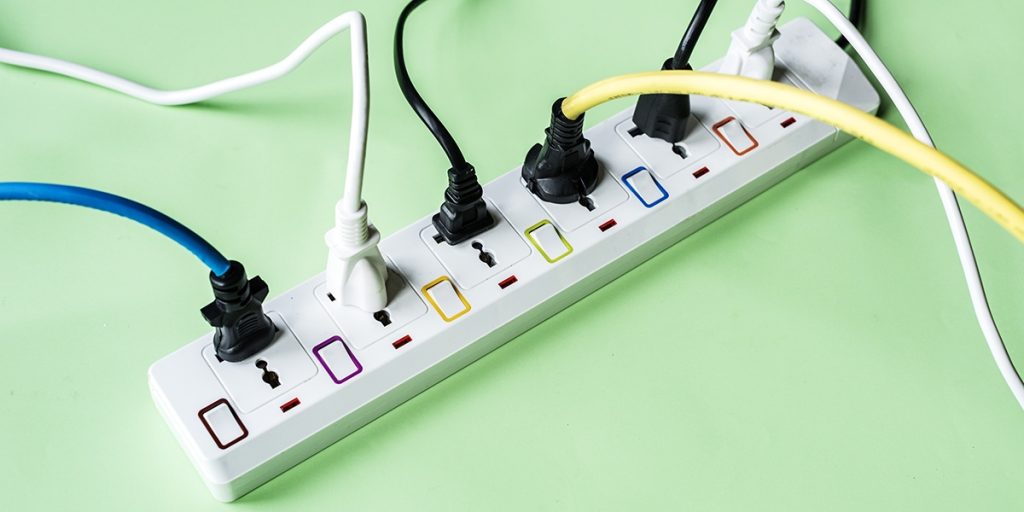
Are you wondering if it’s safe to plug your air conditioner into an extension cord? It’s a question many people ask, especially when they want to cool a room quickly but don’t have an outlet nearby.
Using the wrong setup can cause serious problems — from tripped breakers to damaged appliances or even fire hazards. Before you grab that extension cord, you need to know what’s safe and what’s not. Keep reading, because you’ll discover exactly why plugging your air conditioner into an extension cord might be risky and what you can do instead to stay cool and safe.

Credit: www.reddit.com
Air Conditioner Power Needs
Air conditioners need a lot of power to work properly. The typical wattageof a small window unit is around 500 to 1500 watts. Larger units can use even more power. The amperageusually ranges from 5 to 15 ampsdepending on the size.
The start-up surge currentis much higher than the running current. This surge can be 2 to 3 timesthe normal power draw. It lasts only a few seconds but needs special care.
| Unit Size | Typical Wattage | Typical Amperage | Start-Up Surge |
|---|---|---|---|
| Small Window Unit | 500 – 1500 W | 5 – 10 A | 2 – 3 times running current |
| Large Unit | 1500 – 3000 W | 10 – 15 A | 2 – 3 times running current |
Extension Cord Basics
An extension cord must match the power needsof the air conditioner. Cords come in different types and ratings. The rating tells how much electricity the cord can handle safely.
Length and thickness of the cord are key. A longer cordcan cause power loss. Thicker wires carry more current. The wire thickness is called the gauge. A lower gauge number means a thicker wire.
| Gauge | Max Length (feet) | Best For |
|---|---|---|
| 12 | 50 | Large appliances like AC units |
| 14 | 25 | Medium power tools and devices |
| 16 | 15 | Small electronics and lamps |
Choose the right gauge and lengthto avoid overheating or damage. Using a cord that is too thin or too long can be dangerous.
Risks Of Using Extension Cords
Using extension cords with air conditionerscan cause serious risks. The main problem is overheating. Extension cords may not handle the high power the air conditioner needs. This can cause the cord to get very hot and start a fire.
Voltage dropshappen when the air conditioner gets less power than it needs. This can make the unit work poorly or stop working. The air conditioner may also use more energy and wear out faster.
- Extension cords can get hot and cause fires.
- Voltage drops lower air conditioner performance.
- Air conditioners need a direct power source.
- Use a heavy-duty cord only if approved by the manufacturer.

Credit: www.reddit.com
Safe Practices For Ac Connections
Extension cords for air conditioners must have the right power rating. Use cords with heavy gauge wiresto handle high current. Avoid thin or light cords that can overheatand cause fires. Length matters too; shorter cords reduce power lossand risk.
Place cords where they won’t be pinched, tripped over,or damaged. Keep cords away from water, heat,and sharp edges. Secure cords along walls or under rugs carefully.
- Check cords for cuts, frays,or exposed wires before use.
- Do not use cords with loose plugsor damaged ends.
- Replace any cord showing wear or damage.
- Unplug cords by pulling the plug, not the cord.
Alternatives To Extension Cords
Dedicated circuitsprovide safe and stable power for air conditioners. They prevent overloads and reduce fire risks. These circuits are made just for big appliances.
Power strips with surge protectionhelp guard devices from sudden voltage spikes. But they are not always good for air conditioners. Use only heavy-duty strips designed for high power needs.
Professional installationensures the air conditioner is connected correctly. Electricians can add dedicated circuits or upgrade wiring. This keeps your home safe and your appliance running well.

Credit: northnjhvac.com
Legal And Manufacturer Guidelines
Using an extension cord with an air conditionermay void its warranty. Many manufacturers state that the unit must be plugged directlyinto a wall outlet. This is to prevent electrical issues or damage caused by improper power supply.
Local electrical codes often have specific rules about using extension cords for high-power appliances. These codes aim to keep homes safe and reduce fire risks. Some areas may ban extension cordsfor air conditioners altogether.
| Aspect | Details |
|---|---|
| Warranty | Usually voided if extension cords are used |
| Manufacturer Guidelines | Direct plug into a wall outlet recommended |
| Local Electrical Codes | May restrict or forbid extension cords for AC units |
| Safety | Extension cords can cause overheating and fire hazards |
Frequently Asked Questions
Can I Safely Use An Extension Cord For My Air Conditioner?
Using an extension cord for an air conditioner is generally unsafe. Most units require a direct outlet due to high power needs. Extension cords can overheat, causing fire risks. Always check the manufacturer’s guidelines and use heavy-duty cords if necessary.
What Type Of Extension Cord Suits An Air Conditioner?
Choose a heavy-duty, grounded extension cord rated for high amperage. It should have a thick gauge wire, usually 12 or 14 gauge. Avoid thin or light-duty cords to prevent overheating and electrical hazards. Always verify the air conditioner’s power requirements before buying.
How Long Can An Extension Cord Be For An Ac Unit?
Extension cords for air conditioners should be as short as possible, ideally under 25 feet. Longer cords may cause voltage drops and reduce efficiency. Using longer cords increases the risk of overheating and potential damage to your air conditioner.
Can Using An Extension Cord Void My Ac Warranty?
Yes, using an improper extension cord can void your AC’s warranty. Manufacturers often require direct wall outlet connections. Using unauthorized cords may lead to electrical issues not covered under warranty. Always follow the user manual to maintain warranty protection.
Conclusion
Plugging an air conditioner into an extension cord is not safe. Air conditioners need a lot of power. Extension cords may overheat or cause electrical problems. Always use a proper outlet for your air conditioner. This keeps your home and family safe.
Check the cord and outlet before use. Stay cautious to avoid accidents or damage. Safety should always come first with electrical appliances. Choose the right power source every time. This simple step protects your device and your home.