Have you ever wondered if turning your air conditioner on and off actually costs you more money? You might think keeping it running constantly uses more power, or that switching it on and off wastes energy.
The truth isn’t as simple as you think. Understanding how your AC uses electricity can help you save money and stay cool without guilt. Keep reading to discover the surprising facts that will change how you use your air conditioner—and your energy bill.

Credit: www.bhg.com
How Air Conditioners Use Energy
Air conditioners use more energy when they start up. The compressor and fan motors need a burst of power to turn on. This burst lasts only a few seconds, but it is stronger than the energy used during regular running.
Once the air conditioner is running, it uses a steady amount of energy. The unit works to keep the room cool by cycling the compressor and fan on and off. This cycling uses less power than the startup surge.
| Energy Use Phase | Description | Energy Level |
|---|---|---|
| Startup | Initial burst to power compressor and fans | High (few seconds) |
| Continuous Operation | Maintains cooling by cycling compressor and fans | Moderate (longer duration) |

Credit: blairsair.com
Myth About Frequent Switching
Many people think turning the air conditioner on and off often wastes more electricity. This is not entirely true. The main cost comes from how long the AC runs, not from switching it on or off. Frequent switching can actually save energy if you are not in the room.
Older AC models might use a bit more power at startup, but modern ones are designed to be efficient. Leaving the AC running all day uses more energy than turning it off when not needed. The key is to use the AC smartly to control your electricity bills.
| Common Misconceptions | Reality |
|---|---|
| Turning AC on and off uses more power | Energy use depends on total run time, not switching |
| Leaving AC on saves energy | Turning off when not needed saves more energy |
| Startup uses large power spikes | Modern AC units have low startup power |
Factors Affecting Energy Costs
Thermostat settingsimpact energy use greatly. Setting the thermostat too low makes the AC work harder. Setting it higher saves energy but might feel warm. Using a programmable thermostat helps keep costs down.
Room insulation and sizematter a lot. Bigger rooms need more cooling power. Poor insulation lets cold air escape, so the AC runs longer. Good insulation keeps the room cool with less energy.
| AC Unit Efficiency | Impact on Energy Costs |
|---|---|
| High SEER Rating | Uses less electricity, lowers bills |
| Old or Poorly Maintained | Consumes more power, raises costs |
| Proper Sizing | Runs efficiently, saves energy |
| Incorrect Size | Short cycles or long runs waste energy |
Credit: www.angi.com
Best Practices For Efficient Ac Use
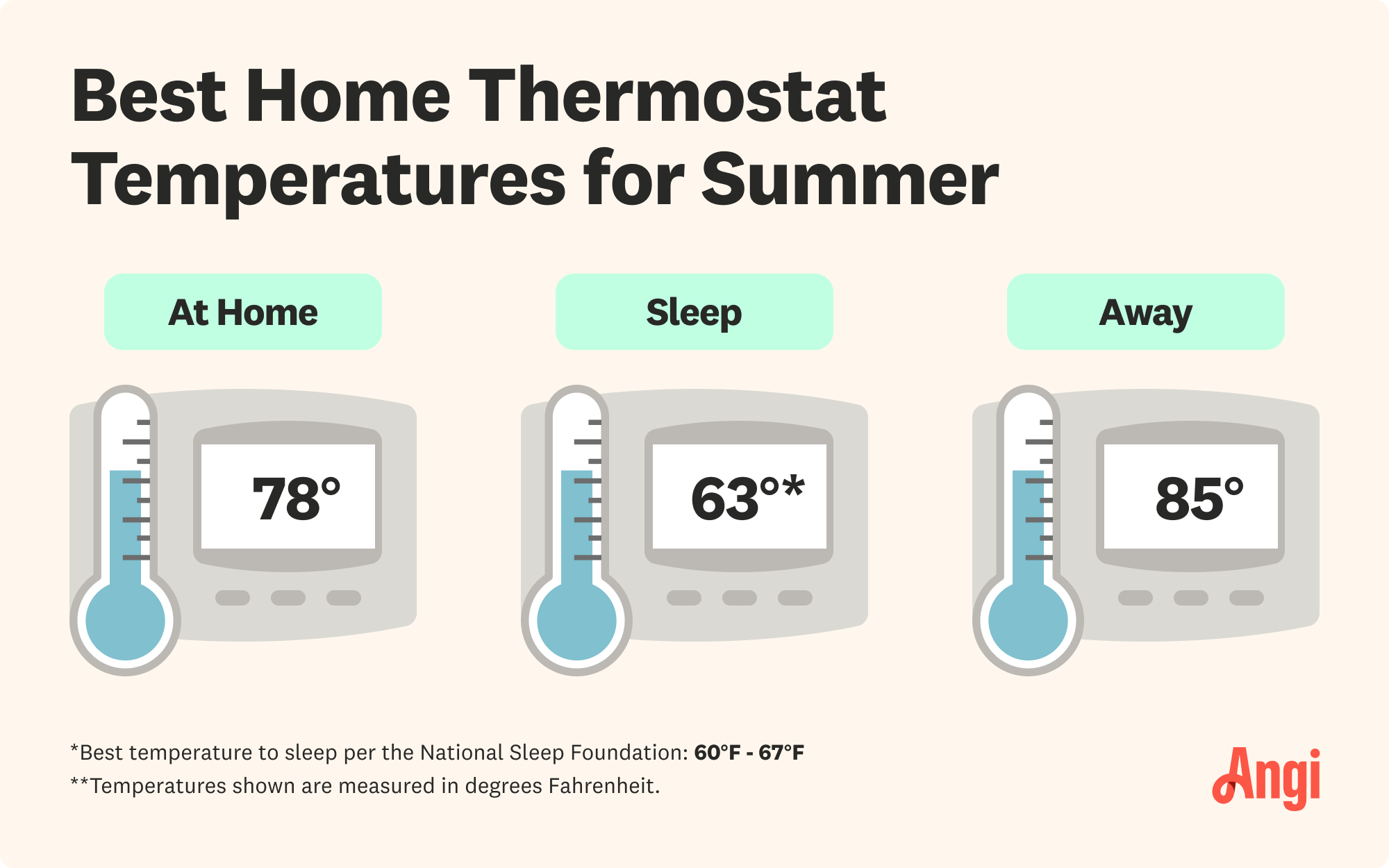
Setting your AC to an optimal temperaturebetween 24°C and 26°C helps save energy. Too low or too high settings make the unit work harder and use more power.
Using timersand programmable thermostatscontrols the AC better. It turns off automatically when not needed, reducing electricity bills. You can schedule it for cool rooms before you arrive home.
- Clean or replace air filters every 1-2 months.
- Check and clear the outdoor unit from debris.
- Keep vents and ducts clean for good airflow.
- Get professional maintenance once a year.
Proper maintenancekeeps your AC running efficiently and extends its life. Dirty filters or blocked airflow make the system work harder and increase costs.
Comparing Continuous Vs Intermittent Use
Turning an air conditioner on and off can affect energy use. Running it continuously keeps the room at a steady temperature but may use more energy overall. Switching it on and off can save energy if the breaks are long enough for the room to warm up.
Energy savings depend on several factors like room size, insulation, and outdoor temperature. Modern AC units with energy-saving featuresuse less power when restarting. Older units might use more power at startup.
Comfort and air quality also matter. Continuous use keeps the air fresh and cool. Turning the AC off for long periods may cause humidity to rise and air to feel stale. This can affect comfort and even health.
Frequently Asked Questions
Does Turning Ac On And Off Waste Electricity?
No, turning your AC on and off does not waste electricity. Modern units use energy efficiently during startup. Running the AC only when needed actually saves power compared to continuous operation.
Is It Cheaper To Leave Ac Running Continuously?
No, leaving your AC running continuously uses more electricity. It cools unnecessarily when you’re not home. Using a thermostat to control cycles is more cost-effective.
How Does Ac Cycling Affect Energy Consumption?
AC cycling helps maintain the desired temperature efficiently. Short cycles use less energy than constant running. Proper thermostat settings optimize energy use and reduce costs.
Does Frequent Ac Switching Reduce Unit Lifespan?
No, frequently turning your AC on and off does not significantly reduce its lifespan. Modern ACs are designed to handle regular cycling without damage when used properly.
Conclusion
Turning your air conditioner on and off does not cost extra. The brief surge in energy when starting is small. Running the AC continuously can use more power overall. It is best to use a thermostat for control. This keeps your home comfortable and saves energy.
Avoid leaving the AC on when no one is home. Smart use helps lower your electricity bills. Small habits make a big difference in energy costs. Stay cool and save money with simple steps.