Have you ever wondered what makes your air conditioner cool your home so effectively? One key part behind the scenes is the coil.
Understanding what a coil for an air conditioner is can help you take better care of your unit and avoid costly repairs. You’ll discover exactly how the coil works, why it’s essential, and what signs to watch for when it’s not doing its job.
Keep reading to unlock the secret to a cooler, more comfortable space.
Role Of The Coil In Air Conditioning
The coilin an air conditioner helps move heat out of your home. It is a key part of the cooling system. The coil changes hot air into cool air by moving heat from inside to outside.
The cooling processdepends on the coil’s ability to absorb heat. The coil holds a liquid called refrigerant. This refrigerant changes from liquid to gas, taking heat with it. Cooler air then blows into the room.
| Type of Coil | Description |
|---|---|
| Evaporator Coil | Absorbs heat from inside air to cool your home. |
| Condenser Coil | Releases heat outside to keep the system working. |
| Heat Exchanger Coil | Used in some systems to transfer heat efficiently. |
Evaporator Coil Functions
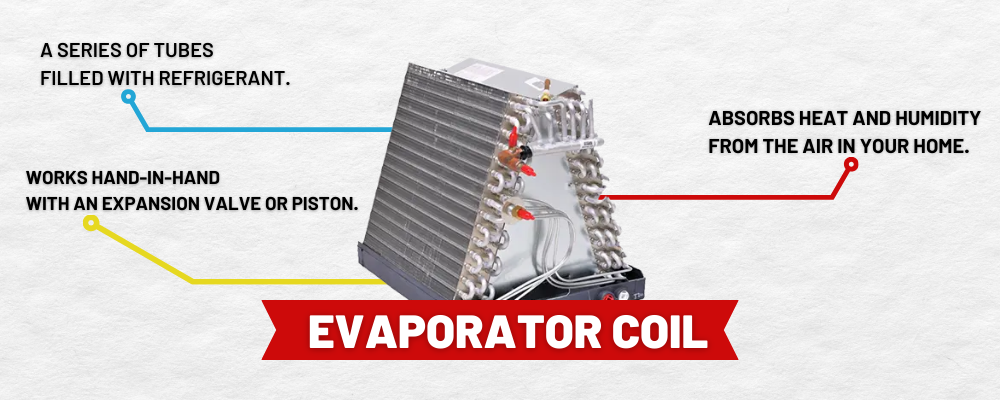
The evaporator coilhelps cool the air inside a room. It absorbs heatfrom the warm air that passes over it. The coil contains a cold refrigerantthat changes from liquid to gas as it takes heat. This process removes heat and moisture, making the air cooler and less humid.
The coil’s design is very important. It is usually made from copper or aluminumbecause these metals conduct heat well. The shape can be serpentine or finnedto increase the surface area. More surface area means better heat absorption and faster cooling.
| Material | Reason | Design | Purpose |
|---|---|---|---|
| Copper | Good heat conductor | Serpentine or finned | Maximize heat absorption |
| Aluminum | Light and heat efficient | Finned coils | Increase surface area |
Condenser Coil Functions
The heat release mechanismin an air conditioner’s condenser coil is very important. The coil helps to remove heatfrom the refrigerant. As hot refrigerant gas passes through the coil, it cools down and changes into liquid.
The coil works by transferring heatfrom the refrigerant to the outside air. This helps to keep your home cool and comfortable.
Placement in the AC system is key. The condenser coil is located outside the building. It is usually part of the outdoor unit. This position allows it to easily release heat into the open air.
Credit: icebergcooling.com
Factors Affecting Coil Efficiency
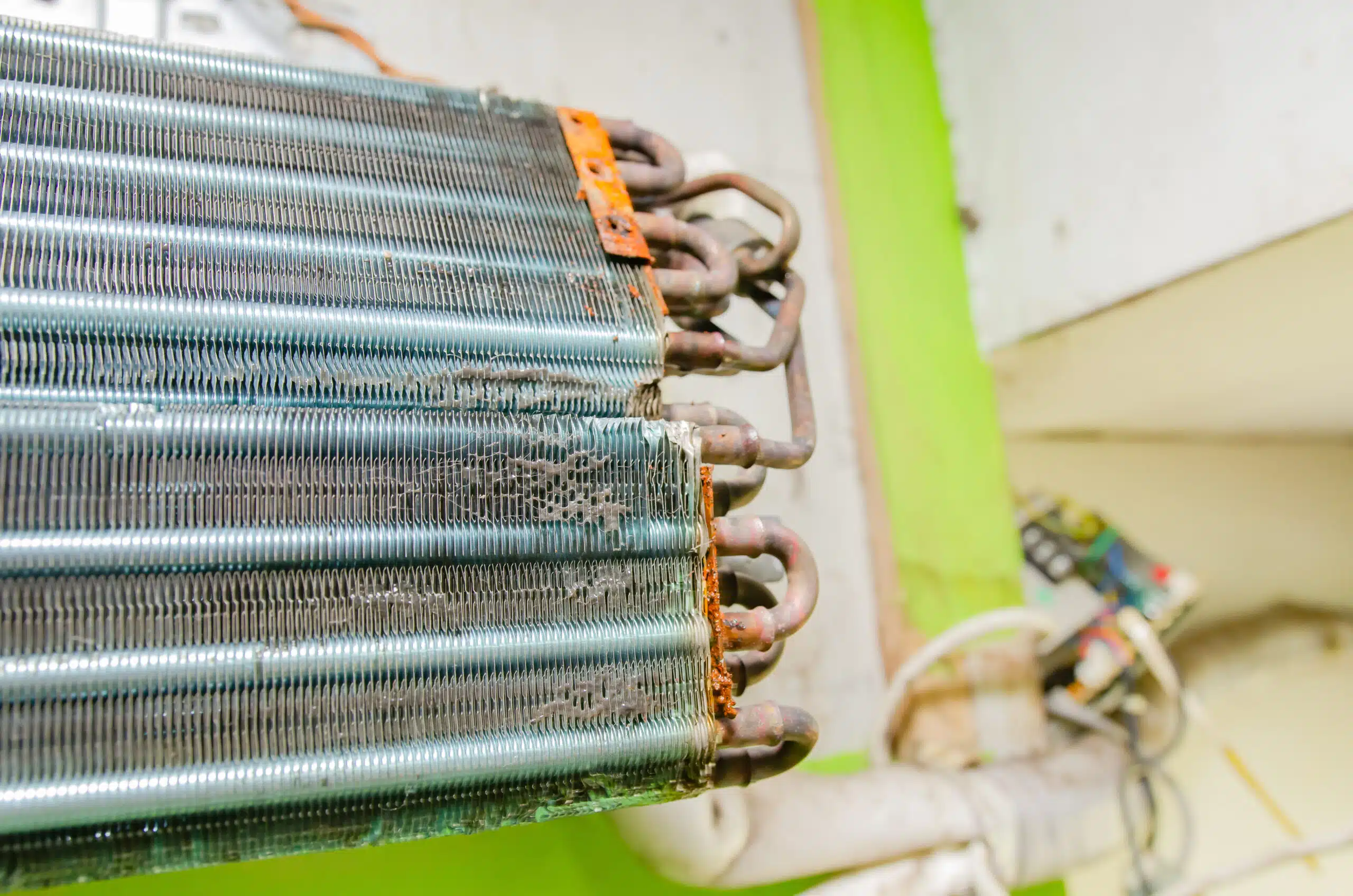
Dirt and debrison coils block airflow. This makes the air conditioner work harder. Dirt lowers the coil’s ability to cool the air. Regular cleaning removes dust and leaves the coil clear. Clear coils help the AC use less energy and cool better.
Corrosion and wearhappen when coils get old or face moisture. Rust can form on metal parts. This weakens the coil and makes it less efficient. Worn coils may cause leaks in refrigerant. Protecting coils from moisture helps stop corrosion.
Proper maintenancekeeps coils in good shape. This includes:
- Cleaning coils regularly
- Checking for rust or damage
- Replacing worn parts
- Ensuring good airflow around the unit
Good care helps the coil last longer and work better. It saves energy and lowers repair costs.
Signs Of Coil Problems
Reduced cooling performanceis a clear sign of coil issues. The air conditioner may not cool the room well. This happens because the coil is dirty or damaged. Dirt blocks airflow and heat transfer. The unit works harder but cools less.
Unusual noises or leaksoften point to coil problems. Strange sounds like hissing or rattling can mean the coil is leaking refrigerant. Leaks reduce cooling power and can harm the system. Moisture around the coil area may also appear.
Increased energy consumptioncan occur due to coil troubles. The AC uses more power to cool the space. A dirty or damaged coil forces the system to run longer. This raises electricity bills and wears out the unit faster.
Improving Coil Performance
Keeping the coil cleanhelps the air conditioner work well. Dirt and dust stop the coil from cooling the air properly. Use a soft brush or a vacuum to remove dirt carefully. Avoid harsh chemicals that can damage the coil’s surface.
Regular professional checksfind problems early. Experts clean hard-to-reach parts and check for leaks or damage. This stops bigger issues and saves money on repairs.
Upgrading to high-efficiency coilscan improve cooling and save energy. These coils cool better with less power. They are made with materials that resist rust and dirt buildup, lasting longer.
Choosing The Right Coil For Your Ac
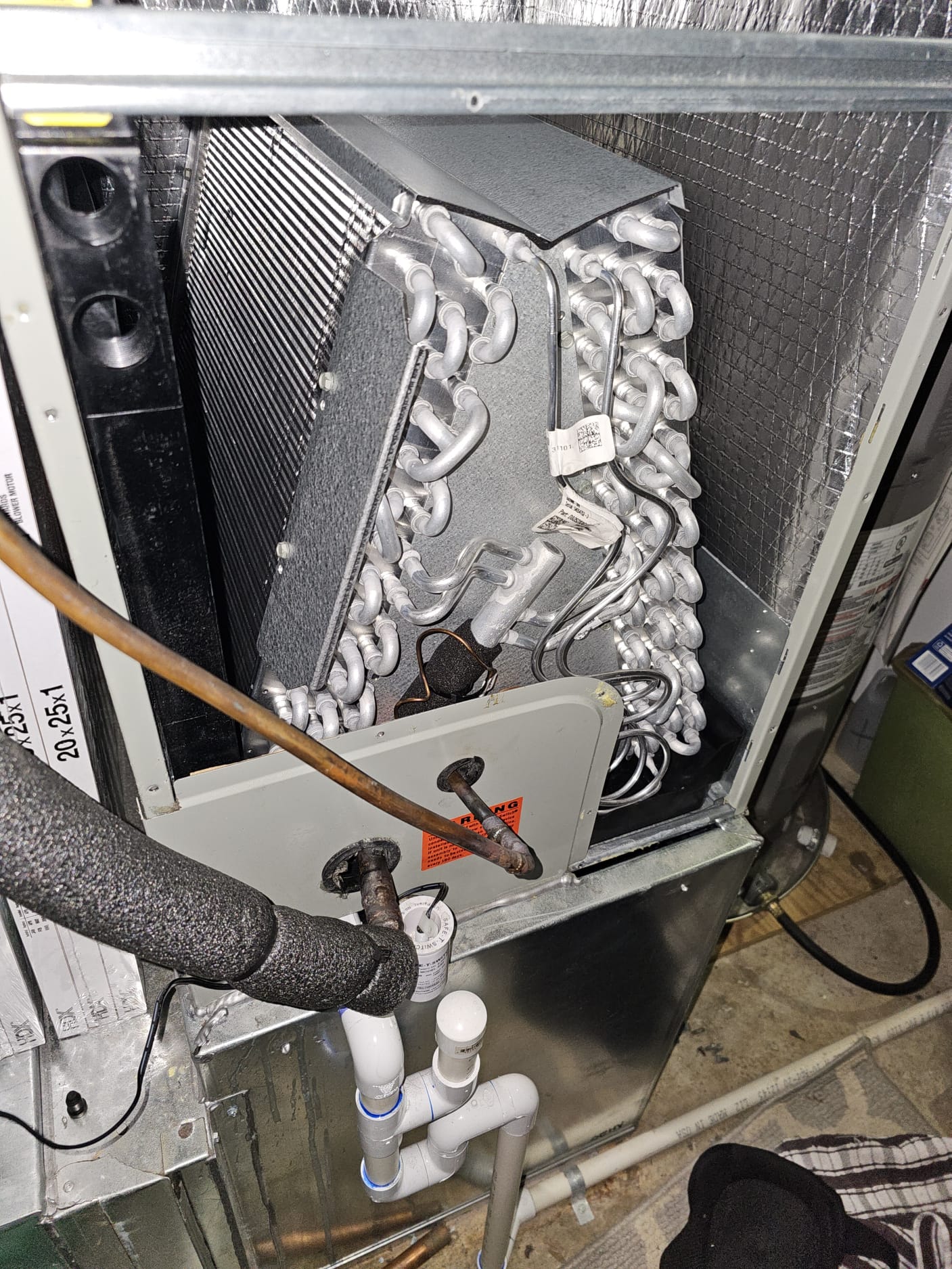
Choosing the right coil is key for your air conditioner’s performance. The coil sizemust match the AC unit’s cooling capacity. A coil too small or too large can cause poor cooling or energy waste.
Coils come in different materials, like copper and aluminum. Copper coils last longer and conduct heat better. Aluminum coils are lighter and often cheaper. Pick the material that fits your budget and needs.
Check if the coil is compatiblewith your current AC system. Some coils fit specific models or brands. A wrong match can cause installation issues or damage.
Credit: www.logan-inc.com

Credit: apexelectricmechanical.ca
Frequently Asked Questions
What Is The Function Of A Coil In An Air Conditioner?
A coil in an air conditioner helps transfer heat. It absorbs heat from indoor air and releases it outside. This process cools the air inside your home efficiently.
How Does The Evaporator Coil Work In Ac Units?
The evaporator coil absorbs heat and moisture from indoor air. It contains refrigerant that evaporates, cooling the air before it circulates back indoors. This coil is essential for effective air conditioning.
Why Is The Condenser Coil Important In Air Conditioners?
The condenser coil releases heat absorbed from inside the home. It cools down the refrigerant by transferring heat to the outside air. This coil keeps the AC system running smoothly.
How Often Should Ac Coils Be Cleaned?
AC coils should be cleaned at least once a year. Regular cleaning improves efficiency and prevents system breakdowns. Dirty coils reduce cooling performance and increase energy costs.
Conclusion
Understanding air conditioner coils is essential for efficient cooling. Coils play a vital role in heat exchange. Regular maintenance keeps them functioning well. Clean coils improve your air conditioner’s performance. Dirty coils can increase energy use. They might also shorten your unit’s lifespan.
Always consult a professional for coil issues. Proper care can save you money in the long run. Keep your home cool and comfortable with well-maintained coils. An efficient air conditioner enhances your living environment. Stay proactive with coil maintenance for optimal comfort.
A little attention goes a long way.