Have you ever wondered what makes your air conditioner cool the air so effectively? The secret lies in a small but powerful part called the air conditioner coil.
Understanding this component can help you keep your AC running smoothly and avoid costly repairs. You’ll discover exactly what an air conditioner coil is, how it works, and why it’s crucial for your comfort. Keep reading—you’ll soon see your AC in a whole new light.
Credit: www.logan-inc.com
Air Conditioner Coil Basics
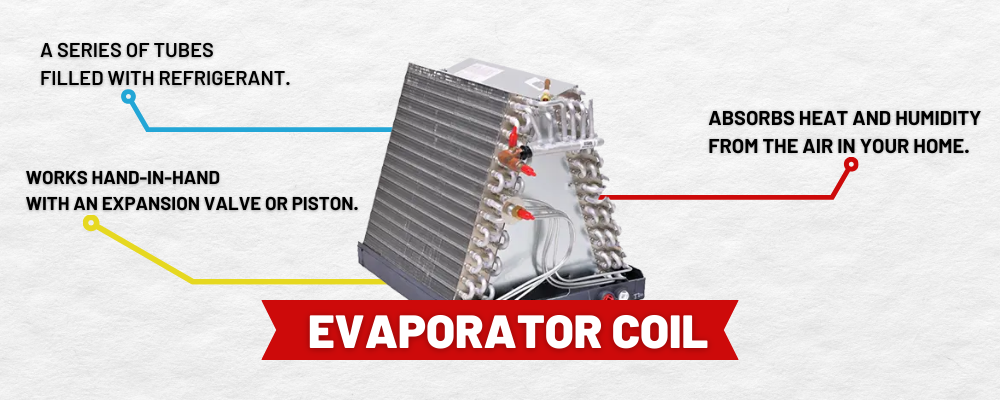
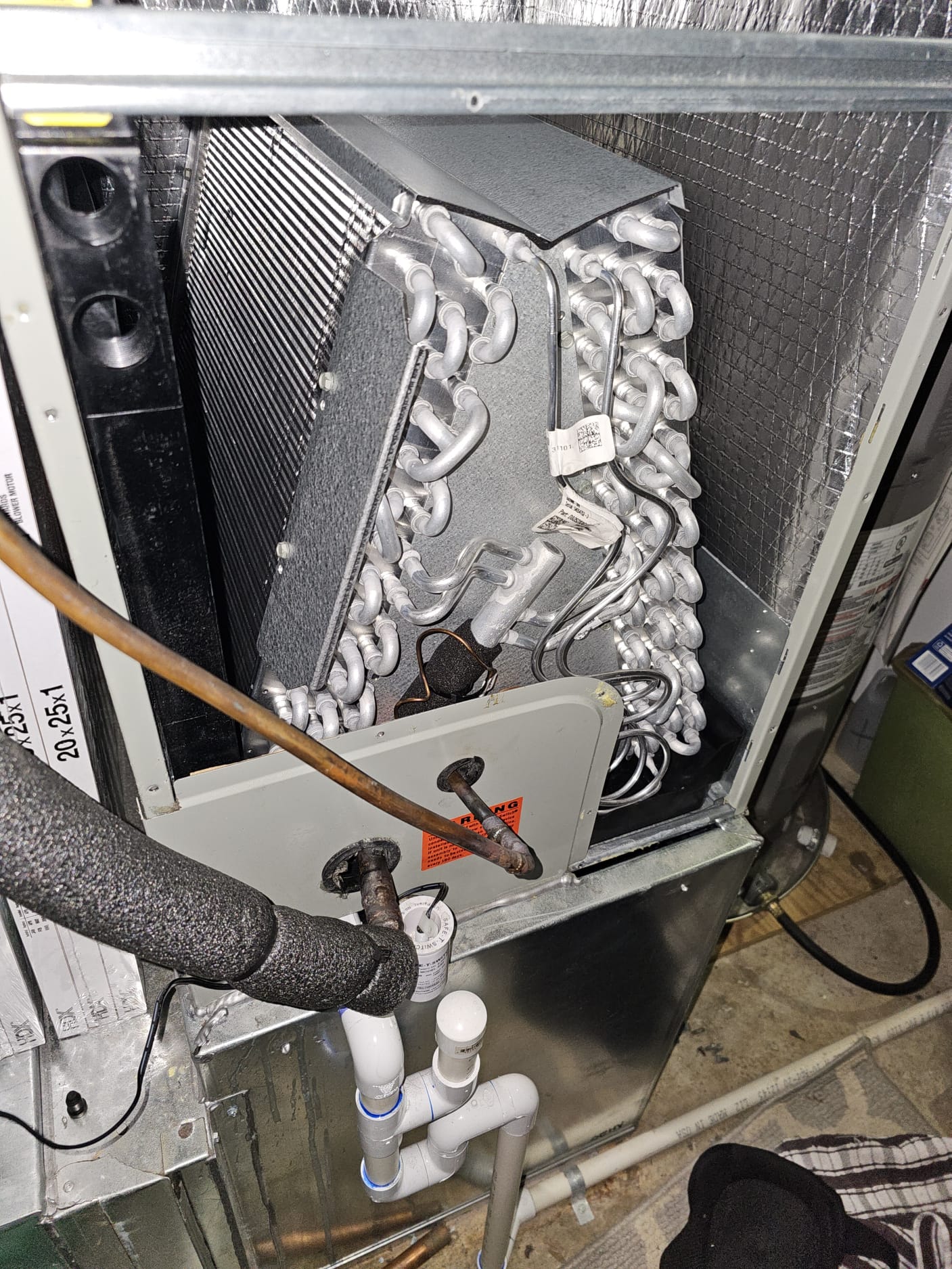
An air conditioner coilhelps cool the air inside buildings. It moves heat from inside to outside. Two main types exist: evaporator coilsand condenser coils. The evaporator coil absorbs heat from indoor air. The condenser coil releases this heat outside.
Key parts include the tubes, fins, and headers. Tubes carry refrigerant. Fins increase surface area for better heat exchange. Headers connect tubes and guide refrigerant flow.
| Component | Function |
|---|---|
| Tubes | Carry refrigerant inside the coil |
| Fins | Help air pass and cool the coil faster |
| Headers | Connect tubes and control refrigerant flow |
Coils usually use copperor aluminum. Copper is good for heat transfer and durable. Aluminum is lighter and less costly. Both metals help the coil work well and last long.

Credit: howardair.com
How Ac Coils Work
The heat exchange processis key to how AC coils work. The coil absorbs heat from the indoor air. This heat moves into the refrigerant inside the coil. The refrigerant then carries the heat outside. This helps cool the air inside the room.
The role in the cooling cycleis to transfer heat from inside to outside. The coil works with other parts like the compressor and fan. Together, they keep the air cool and fresh. The coil’s surface area helps it absorb heat faster. This makes the cooling process efficient and quick.
Factors Affecting Coil Efficiency
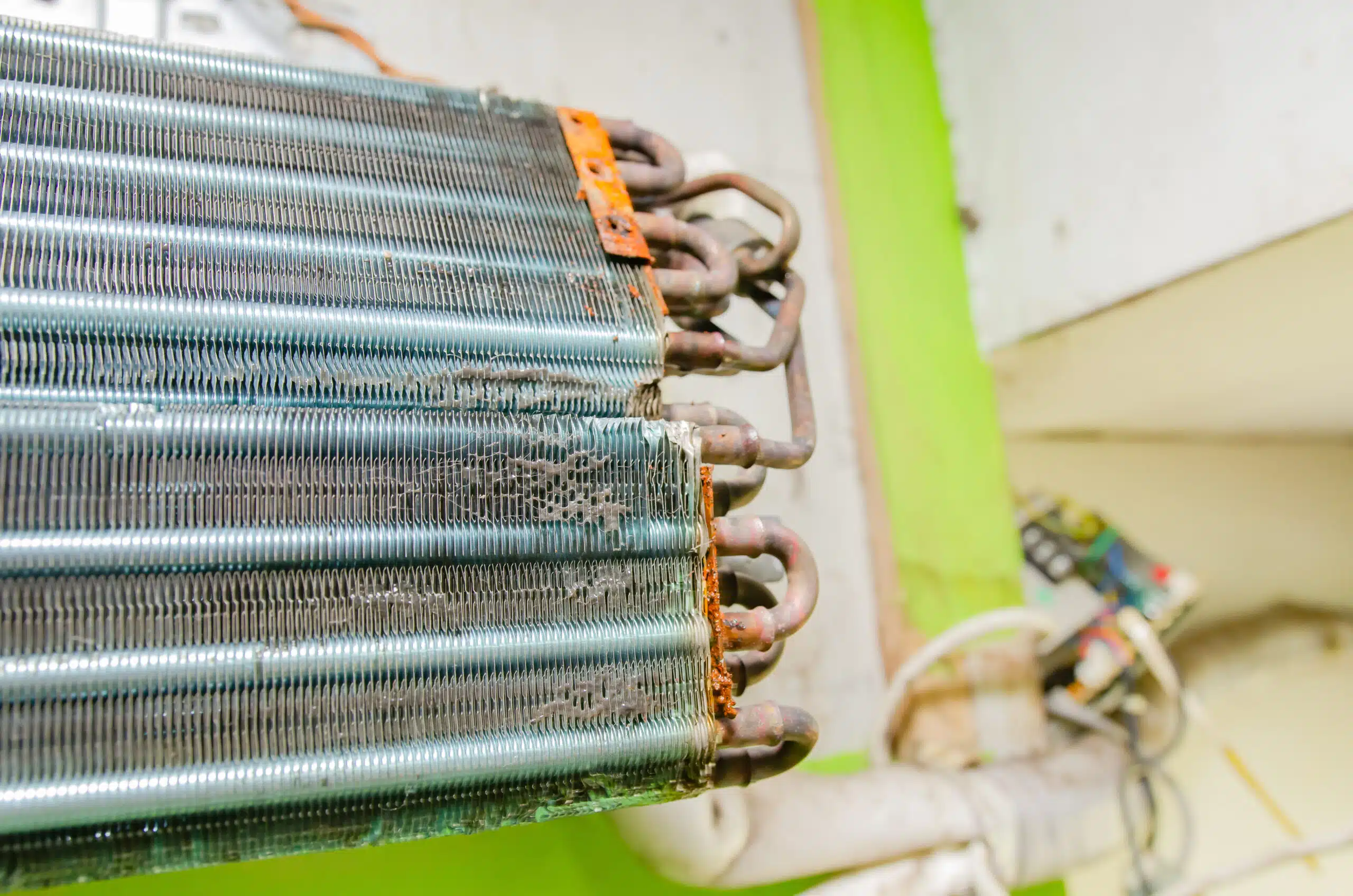
Dirt and debris buildupon the coil blocks airflow. This makes the air conditioner work harder. Dirt reduces the coil’s ability to absorb heat. Cleaning the coil regularly keeps it efficient.
Corrosion and weardamage the coil’s surface. Rust weakens the metal and causes leaks. It lowers cooling performance and may lead to breakdowns. Protecting the coil from moisture helps prevent corrosion.
Improper maintenancecauses many problems. Skipping regular checks lets issues grow. Poor care leads to dirt, corrosion, and damage. Scheduling routine maintenance keeps the coil working well and saves energy.
Maintenance Tips For Ac Coils
Regular cleaningkeeps AC coils working well. Use a soft brush or vacuum to remove dust and dirt. Clean coils at least twice a year to avoid buildup. Avoid harsh chemicals that can damage the coil surface.
Preventive measureshelp extend coil life. Keep the area around the AC unit clear of leaves and debris. Change air filters regularly to stop dirt from reaching the coils. Check for signs of rust or corrosion often.
| When to Replace Coils | Signs to Watch For |
|---|---|
| Leaks in the coil | Visible wet spots or refrigerant smell |
| Severe corrosion | Rust covering large coil areas |
| Reduced cooling performance | AC runs longer but cools less |
| Frequent breakdowns | Higher repair costs and downtime |
Improving Cooling Performance
Using
Good airflowis key for cool air to spread. Clean coils help air pass easily. Fans can be adjusted to move air smoothly. Small changes make a big difference.
Coil coatingsprotect from rust and dirt. They keep coils clean longer. This means better cooling and less repair. Some coatings also stop mold growth.
Credit: icebergcooling.com
Frequently Asked Questions
What Is The Function Of An Ac Coil?
An air conditioner coil transfers heat from inside your home to the outside. It plays a crucial role in cooling the air. The coil contains refrigerant, which absorbs heat and cools the air. Proper maintenance ensures efficiency and longevity.
How Often Should Ac Coils Be Cleaned?
AC coils should be cleaned at least once a year. Regular cleaning prevents dirt buildup, ensuring efficient performance. Dirty coils can increase energy consumption and reduce cooling efficiency. Professional cleaning is recommended for best results.
What Are The Types Of Ac Coils?
There are two main types: evaporator and condenser coils. Evaporator coils absorb heat from the indoor air. Condenser coils release heat to the outside. Both are essential for efficient cooling and system performance.
Why Do Ac Coils Freeze Up?
AC coils can freeze due to restricted airflow or low refrigerant levels. Dirty filters or blocked vents can cause airflow issues. Low refrigerant can result from leaks. Regular maintenance helps prevent freezing and ensures optimal performance.
Conclusion
An air conditioner coil plays a key role in cooling your home. It helps move heat out of the air, making your space comfortable. Keeping the coil clean ensures your AC works well and uses less energy. Understanding this part helps you take better care of your system.
Regular checks can prevent costly repairs later. Knowing how the coil works makes cooling easier to understand. A well-maintained coil means a cooler, fresher home all year long. Simple care makes a big difference in your AC’s performance.