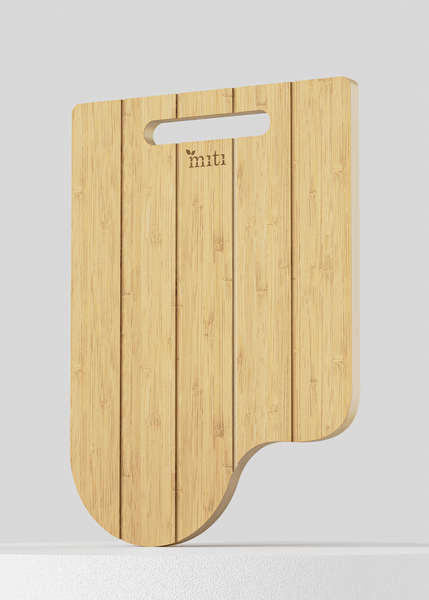
Your bamboo cutting board is more than just a kitchen tool—it’s a natural surface that needs care to stay strong and looking great. If you want to keep your board from cracking, drying out, or absorbing unwanted odors, knowing how to treat it properly is key.
You’ll discover simple, effective steps to protect your bamboo cutting board so it lasts longer and stays safe for your food. Ready to give your board the care it deserves? Keep reading to learn exactly what to do.
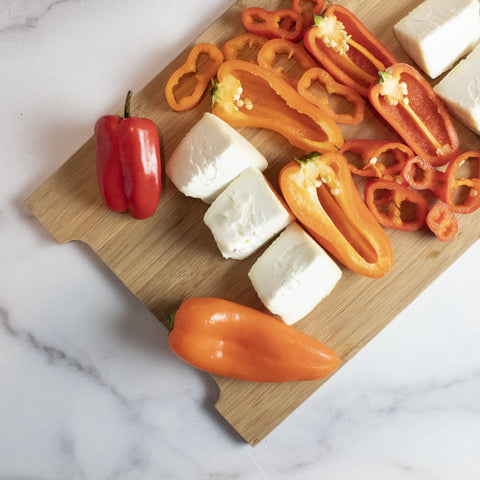
Credit: cheesegrotto.com
Preparing The Board
Taking care of a bamboo cutting board starts with proper preparation. This helps the board last longer and stay safe for food.
Before treating the board, make sure it is clean and smooth. This will help the treatment soak in better.
Cleaning Before Treatment
Clean the bamboo board to remove dirt and oils. Use warm water and mild soap. Avoid soaking the board.
Rinse well and dry with a clean towel. Let the board air dry fully before starting treatment.
- Wash with mild soap and warm water
- Do not soak the board in water
- Dry with a clean towel
- Let air dry completely
Sanding Rough Surfaces
Check the board for rough or splintered spots. Sand these areas to make the surface smooth.
Use fine-grit sandpaper and sand gently along the grain. Wipe away dust with a damp cloth after sanding.
- Find rough or splintered spots
- Use fine-grit sandpaper
- Sand along the bamboo grain
- Remove dust with a damp cloth

Credit: www.amazon.com
Choosing The Right Oil
Taking care of a bamboo cutting board keeps it strong and safe. Using the right oil helps protect the board from cracking and drying out.
Some oils work better than others because they do not spoil or leave harmful residues. Let’s look at the best options to keep your bamboo board in top shape.
Food-safe Oils To Consider
Choose oils that are safe for food contact and do not go rancid. These oils help seal the bamboo and keep it from absorbing water and stains.
- Mineral Oil: A popular choice because it does not spoil and is safe to use.
- Coconut Oil: Use refined coconut oil, which resists going rancid and smells mild.
- Walnut Oil: Good for cutting boards, but avoid if you have nut allergies.
- Beeswax Blend: Often mixed with mineral oil for extra protection and shine.
Avoiding Harmful Products
Some oils can harm your bamboo board or may not be safe for food use. Avoid these to keep your board safe and long-lasting.
| Oil Type | Reason to Avoid |
| Vegetable Oil | Can go rancid and smell bad |
| Olive Oil | Dries sticky and can spoil |
| Cooking Spray | Contains additives that harm wood |
| Untreated Nut Oils | May cause allergies or spoil |
Applying Oil Correctly
Oiling a bamboo cutting board keeps it strong and safe. It stops the board from drying out and cracking.
Using the right oil and applying it well helps your board last longer. Learn how to oil your board the right way.
Step-by-step Oiling Process
Start by cleaning your board with warm water and soap. Let it dry completely before oiling.
Put a small amount of food-safe mineral oil on a clean cloth. Rub the oil onto the board’s surface evenly.
- Cover the entire surface, including edges.
- Use circular motions to spread the oil well.
- Apply a thin, even layer of oil.
- Let the oil soak in for at least 20 minutes.
- Wipe off any extra oil with a dry cloth.
If the board looks dry, repeat the oiling process. This keeps the bamboo protected and shiny.
How Often To Oil
Oil your bamboo cutting board regularly to keep it healthy. The frequency depends on how often you use it.
- For daily use, oil the board once a week.
- For light use, oil it once a month.
- If the board looks dry or faded, add oil sooner.
Regular oiling prevents cracks and keeps your board smooth and safe for food.
Maintaining Your Board
Taking care of your bamboo cutting board helps it last longer. Proper maintenance keeps it clean and safe for food use.
This guide covers easy ways to clean your board and remove stains or odors.
Regular Cleaning Tips
Wash your bamboo board soon after use to prevent bacteria buildup. Avoid soaking the board in water to stop warping or cracking.
- Use warm water and mild dish soap for cleaning.
- Scrub gently with a soft sponge or cloth.
- Rinse well to remove all soap residue.
- Dry the board immediately with a clean towel.
- Let the board air dry standing up to allow both sides to dry evenly.
Dealing With Stains And Odors
Sometimes, stains and smells can stick to bamboo boards. Use natural methods to clean and refresh your board safely.
| Problem | Solution |
| Stains from fruits or vegetables | Rub with lemon juice and salt, then rinse. |
| Strong odors like garlic or onion | Sprinkle baking soda, scrub, and rinse well. |
| Persistent odors | Wipe with vinegar and water mix, then air dry. |
Repairing Damage
Bamboo cutting boards can get cracks and wear from daily use. Fixing these problems helps keep the board safe and clean.
Simple repairs can make your bamboo board last longer. Use gentle methods to protect the wood.
Fixing Cracks And Splits
Small cracks can be filled to prevent dirt and bacteria buildup. Use food-safe wood glue or mineral oil to treat the damage.
- Clean the cracked area with warm water and mild soap.
- Dry the board completely before repair.
- Apply food-safe wood glue into the cracks.
- Press the area firmly and let it dry for 24 hours.
- Sand the repaired spot smooth after drying.
- Apply mineral oil to seal the wood and prevent drying.
Sanding And Refinishing
Sanding removes rough spots and old finish. Refinishing protects the bamboo from moisture and stains.
| Material | Purpose | Notes |
| Fine-grit sandpaper (220) | Smooth rough or damaged areas | Sand gently to avoid removing too much wood |
| Mineral oil | Protect and hydrate bamboo | Food-safe and easy to apply |
| Beeswax (optional) | Add extra water resistance | Mix with mineral oil for best results |
After sanding, wipe the board clean. Apply mineral oil evenly and let it soak overnight. Use beeswax for extra protection.
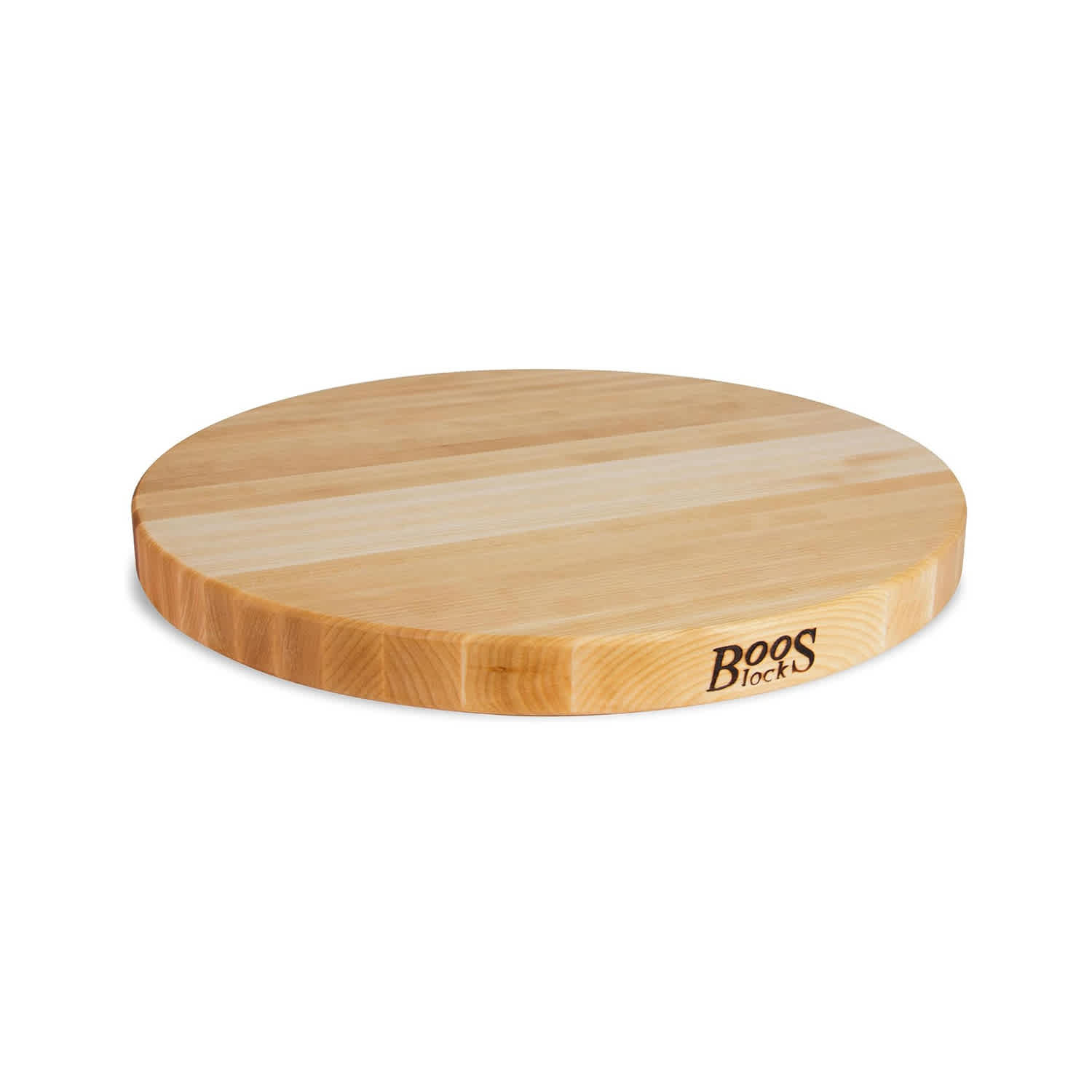
Credit: www.thekitchn.com
Storage And Usage Tips
Bamboo cutting boards need care to last long. Proper storage and use keep them strong and safe.
Follow simple tips to avoid damage. Treat your board well for better kitchen results.
Preventing Warping
Warping happens when bamboo gets wet or dry unevenly. Avoid this by keeping your board dry and flat.
- Do not soak your board in water
- Dry the board quickly after washing
- Store it standing up or flat in a dry place
- Avoid placing near heat sources like stoves
- Use both sides to cut to balance wear
Best Practices For Longevity
Careful use and cleaning keep your bamboo board in good shape. Oil it regularly to protect the wood.
| Practice | Reason |
| Hand wash only | Prevents cracking and damage |
| Apply mineral oil monthly | Keeps bamboo from drying out |
| Use gentle soap | Protects natural fibers |
| Avoid dishwasher | High heat warps the board |
| Cut with sharp knives | Reduces deep cuts and grooves |
Frequently Asked Questions
How Often Should I Oil A Bamboo Cutting Board?
You should oil your bamboo cutting board once a month. This keeps it hydrated and prevents cracking. Use food-grade mineral oil or bamboo board oil for best results.
Can I Use Soap To Clean Bamboo Cutting Boards?
Yes, mild dish soap and warm water work well. Avoid soaking the board to prevent warping. Dry immediately after washing to maintain its durability.
Is Bamboo Cutting Board Dishwasher Safe?
No, bamboo cutting boards are not dishwasher safe. High heat and water can cause warping and cracking. Hand wash only with soap and water for longevity.
How Do I Remove Stains From Bamboo Cutting Boards?
Use a paste of baking soda and water to scrub stains. Let it sit for a few minutes, then rinse and dry. This method is gentle and effective.
Conclusion
Treating your bamboo cutting board keeps it strong and long-lasting. Clean it well after each use to stop germs. Apply oil regularly to prevent cracks and dryness. Avoid soaking it in water or putting it in the dishwasher. Store it in a dry place to stop warping.
Small steps make a big difference in care. Your board will stay beautiful and useful for years. Simple habits protect your kitchen tool every day. Keep your bamboo cutting board in top shape with care.