
Have you ever wondered where the filter for your air conditioner is hidden? Knowing the exact spot can save you time, money, and keep your home’s air fresh and clean.
If your AC isn’t cooling as well or you notice dust building up, it’s often because the filter needs attention. You’ll discover where to find the filter quickly and how to maintain it easily. Keep reading to unlock simple tips that will make your air conditioner work better and last longer.
Air Conditioner Filter Basics
The air conditioner filtercleans dust and dirt from the air. It helps keep the air inside fresh and healthy. The filter also protects the AC unit from damage by trapping debris. Dirty filters can make the AC work harder, using more energy.
There are different types of air filtersused in air conditioners:
- Fiberglass filters:Cheap and basic, they catch large dust particles.
- Pleated filters:Made with folded fabric, they trap smaller particles.
- HEPA filters:Very fine filters that catch tiny allergens and dust.
- Electrostatic filters:Use static electricity to attract dust and dirt.
Choosing the right filter helps improve air quality and AC performance.

Credit: smockhvac.com
Common Filter Locations
Window air conditionersusually have filters located behind the front grille. You can slide or pop open this grille to access the filter. The filter is often a thin mesh that traps dust and dirt.
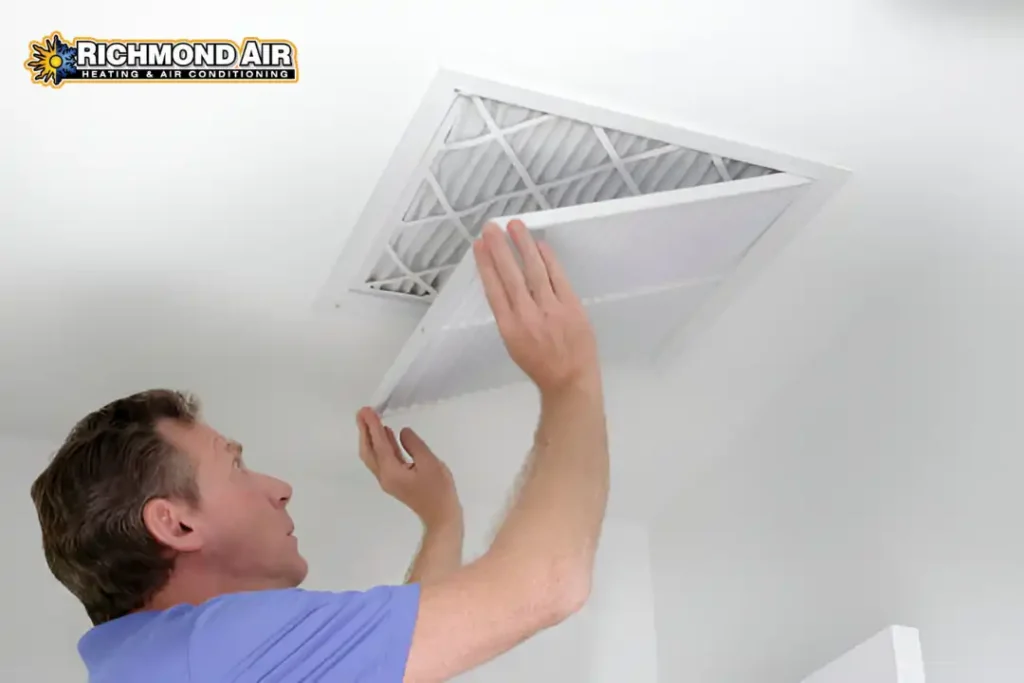
Central air systemshave filters placed in the return air duct or near the air handler unit. These filters are larger and need regular checking to keep air clean throughout the home.
Portable air conditionershave filters inside the unit, usually behind a panel on the back or side. The filter can be removed easily for cleaning or replacement.
How To Access The Filter
Most air conditioner filters sit behind the front panel. Gently pull or push the panel to open it. Some panels use clips or small screws. Check for these before removing.
The filter usually slides outeasily. Hold the edges and pull it straight out. Clean or replace it as needed. Avoid touching the filter surface too much.
Some units have hidden compartmentsfor filters. Look around the sides or bottom. These compartments may have small covers or locks. Open them carefully to access the filter.
Credit: richmondair.us
Filter Maintenance Tips
Regular cleaningkeeps the air conditioner filter working well. Check the filter every month. Clean it more often in dusty places or during heavy use. A dirty filter can block air and lower cooling power.
Use a vacuum cleaner or wash with warm water and mild soap. Let the filter dry completely before putting it back. Avoid harsh chemicals that can damage the filter.
| When to Replace Filters | Signs to Watch For |
|---|---|
| Every 3 to 6 months | Filter looks torn or damaged |
| After heavy use or allergies | Airflow is weak or smells bad |
| If filter is non-washable | Cannot be cleaned well |
Signs Of A Dirty Or Clogged Filter
Reduced airflowis a clear sign of a dirty air conditioner filter. The air feels weaker coming from vents. It takes longer to cool the room. This happens because dust blocks the filter’s holes.
Unusual odorsmay come from the AC. A clogged filter traps dirt and mold. These cause a bad, musty smell in the air. The smell often gets stronger when the AC runs.
Increased energy billscan happen too. A dirty filter forces the AC to work harder. This uses more electricity. Bills rise without any other changes in usage.

Credit: www.yellowpages.com.au
Choosing The Right Replacement Filter
Choosing the right replacement filter means knowing the correct size. Filters come in many sizes. Check your air conditioner’s manual or the old filter for dimensions. Using the wrong size can cause poor air flow and damage.
| Filter Size | Common Use |
|---|---|
| 16x20x1 | Standard home AC units |
| 20x25x1 | Larger home systems |
| 14x20x1 | Smaller window units |
Filter ratingsshow how well the filter cleans the air. Higher ratings catch smaller dust and allergens. Common ratings include MERV 8 to MERV 13. Choose a rating that fits your needs and system.
- MERV 8:Basic dust and pollen
- MERV 11:Better for allergies
- MERV 13:High filtration for sensitive people
Material options affect filter life and performance. Fiberglass is cheap but less effective. Pleated filters trap more dirt and last longer. Some filters have activated carbon to reduce odors.
Troubleshooting Filter Issues
Filter not fitting properlycan cause gaps or block air flow. Check the filter size and shape carefully. Clean the slot where the filter fits. Sometimes, dust or debris stops the filter from sliding in easily. Make sure the filter is the right model for your air conditioner.
Filter causing noisemay mean it is loose or damaged. Tighten the filter frame or replace broken parts. A loose filter can rattle or buzz when the unit runs. Cleaning the filter regularly helps reduce noise by removing dirt build-up.
Filter affecting cooling performanceshows signs of clogging or dirt. A dirty filter blocks air and lowers cooling power. Replace or wash the filter often to keep air flowing well. Clean filters help the air conditioner work better and save energy.
Frequently Asked Questions
Where Is The Air Conditioner Filter Located?
The air conditioner filter is usually behind the front grille or inside the return air duct. Check near the indoor unit or air handler. It’s designed for easy removal and cleaning or replacement.
How Do I Access My Ac Filter?
To access the AC filter, turn off the unit first. Open the front panel or grille carefully. Slide out the filter for inspection, cleaning, or replacement.
How Often Should I Clean Or Replace The Filter?
Clean or replace your air conditioner filter every 1 to 3 months. This depends on usage, air quality, and filter type. Regular maintenance improves efficiency and air quality.
Can A Dirty Filter Affect Ac Performance?
Yes, a dirty filter blocks airflow and reduces cooling efficiency. It causes the unit to work harder, increasing energy consumption and wear. Clean filters ensure optimal performance.
Conclusion
Finding the air conditioner filter is simple and important. It usually sits behind the front panel or inside the unit. Cleaning or changing it keeps air fresh and cool. A clean filter helps your AC work well and saves energy.
Remember to check it every month or two. Taking care of the filter means better air quality and comfort at home. Small effort, big difference.