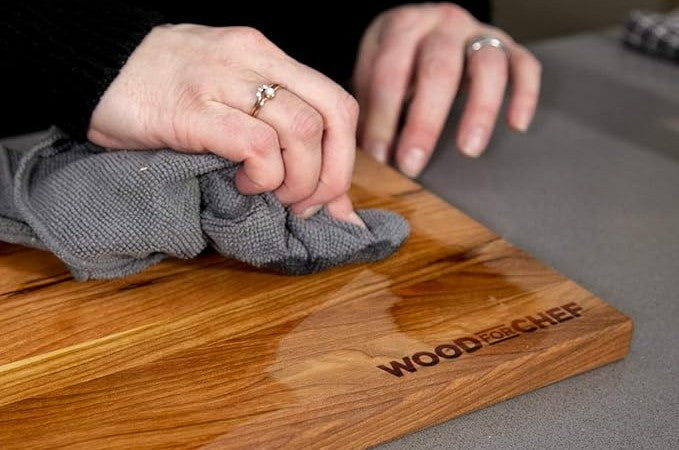
Your cutting board is more than just a kitchen tool—it’s where you prepare your meals, chop fresh ingredients, and create delicious dishes. But did you know that without proper care, your cutting board can crack, warp, or even harbor bacteria?
Oiling your cutting board is a simple step that keeps it looking great and lasting longer. You’ll learn exactly how to oil your cutting board the right way, so it stays smooth, safe, and ready for every meal. Keep reading to discover easy tips that will protect your board and make your kitchen tasks easier.

Credit: www.youtube.com
Choosing The Right Oil
Oiling your cutting board keeps it safe and lasts longer. The right oil protects the wood from drying and cracking.
Pick an oil that is safe for food and easy to apply. This helps keep your board clean and healthy.
Food-safe Oils To Use
Use oils that do not spoil or turn sticky. These oils soak into wood and keep it strong.
- Mineral oil: Clear and odorless, it lasts long and is safe.
- Walnut oil: Natural and food-safe, but watch for nut allergies.
- Beeswax blends: Often mixed with oil for extra protection.
- Fractionated coconut oil: Stays liquid and resists spoiling.
Oils To Avoid
Do not use oils that turn rancid or feel sticky. These can harm your board and food safety.
- Olive oil: It can go bad and leave a sticky surface.
- Vegetable oils: These oils spoil quickly and smell bad.
- Nut oils not labeled food-safe: May cause allergies or spoil.
- Cooking oils used for frying: Not made for wood care.
Preparing The Cutting Board
Oiling your cutting board keeps it safe and lasts longer. Preparing it well helps the oil soak in better.
Start by making sure the board is clean and dry. This stops dirt and water from trapping under the oil.
Cleaning Before Oiling
Wash the cutting board with warm water and soap. Remove all food bits and stains carefully.
Do not soak the board in water. It can cause the wood to crack or warp.
- Use a sponge or soft cloth
- Rinse with clean water
- Dry with a clean towel before air drying
Drying Properly
Dry the cutting board fully before oiling. Any moisture can stop the oil from soaking in well.
Place the board in a well-ventilated area. Let it air dry standing up or flat on a clean surface.
- Avoid direct sunlight to prevent cracking
- Wait several hours or overnight
- Make sure both sides are dry
Applying Oil Correctly
Oiling your cutting board keeps it smooth and protects it from cracking. Applying oil the right way helps the wood last longer.
Use the correct amount and spread the oil evenly. This guide shows you how to do it well.
Amount Of Oil Needed
Too much oil can make the board sticky. Too little oil will not protect it well.
- Use about 1 to 2 tablespoons for a small board.
- For larger boards, use 3 to 4 tablespoons.
- Apply more oil if the board looks dry or faded.
Techniques For Even Coverage
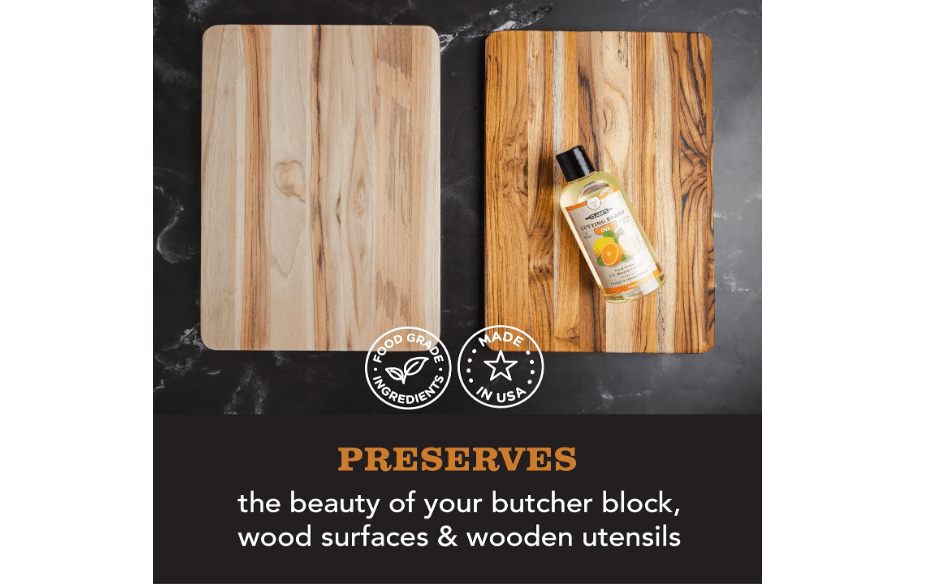
Spreading oil evenly is key to good protection. Use clean tools and work slowly.
| Tool | How to Use |
|---|---|
| Clean Cloth | Rub oil in a circular motion until absorbed. |
| Brush | Apply thin layers, covering all sides and edges. |
| Paper Towel | Spread oil gently, then wipe off excess after 10 minutes. |
Credit: treecarezone.com
Frequency Of Oiling
Oiling your cutting board keeps it in good shape. It stops the wood from drying out and cracking.
Knowing how often to oil your board helps it last longer. It also keeps your board safe for food use.
Signs Your Board Needs Oil
Look for dry spots or light color changes on the wood. These show your board is thirsty for oil.
Cracks or rough patches on the surface mean it is time to oil. The wood absorbs moisture better after oiling.
- The board feels dry or rough to touch
- Wood color looks lighter or faded
- Small cracks or splits appear
- Water drops soak in quickly
Recommended Oiling Schedule
Oiling depends on how often you use your cutting board. Heavy use needs more frequent oiling.
For most boards, oil once a month. If you use your board daily, oil it every two weeks.
- Daily use: oil every 2 weeks
- Weekly use: oil every month
- Rare use: oil every 3 months
Additional Care Tips
Oiling your cutting board keeps it strong and looking good. Regular care helps it last longer.
Besides oiling, there are other ways to protect your board. Follow these tips to avoid damage.
Avoiding Water Damage
Water can make your cutting board crack or warp. Do not soak it in water or put it in the dishwasher.
- Wash with warm, soapy water and rinse quickly.
- Dry the board immediately with a towel.
- Stand the board upright to air dry fully.
- Do not leave the board in a wet sink or on a wet surface.
Storing Your Cutting Board
Proper storage keeps your cutting board safe from moisture and damage.
| Storage Tip | Why It Helps |
| Store upright | Allows air to circulate and dry the board |
| Keep in a dry place | Prevents mold and warping |
| Avoid stacking | Stops pressure marks and scratches |
| Use a board stand | Keeps the board stable and clean |

Credit: www.oldyankeecuttingboards.com
Frequently Asked Questions
How Often Should I Oil My Cutting Board?
You should oil your cutting board every 3 to 4 weeks. Regular oiling prevents drying and cracking. It keeps the board smooth and sanitary for food preparation.
What Type Of Oil Is Best For Cutting Boards?
Food-grade mineral oil is ideal for cutting boards. It’s safe, odorless, and won’t go rancid. Avoid vegetable or cooking oils as they can spoil.
How Do I Apply Oil To A Wooden Cutting Board?
Apply oil evenly with a clean cloth or paper towel. Rub it in circular motions until fully absorbed. Let it sit for a few hours or overnight before wiping off excess.
Can I Use Olive Oil On My Cutting Board?
No, olive oil is not recommended. It can become sticky and rancid over time. Use mineral oil for a longer-lasting, safe finish.
Conclusion
Oiling your cutting board keeps it strong and clean. It stops cracks and warping over time. Regular care helps your board last for years. Use food-safe oil to protect the wood. Apply oil evenly and let it soak in well.
Dry your board before using it again. A little effort goes a long way. Keep your kitchen tools working their best. Simple steps make a big difference. Enjoy cooking with a well-oiled cutting board every day.