Are you thinking about using cedar for your next cutting board? Cedar wood has a beautiful look and a pleasant aroma, but is it really a good choice for something you use every day in the kitchen?
You want a cutting board that is safe, durable, and easy to clean. Choosing the right wood can make a big difference in how long your board lasts and how it affects your food. Keep reading to find out if cedar meets these important needs and whether it’s the best option for your kitchen.
Credit: www.etsy.com
Properties Of Cedar Wood
Cedar wood is often used for many projects, including furniture and outdoor structures. Its properties affect how well it works as a cutting board.
Understanding cedar’s qualities helps decide if it is a good choice for kitchen use.
Grain And Texture
Cedar has a straight, even grain that looks smooth and clean. The texture is soft and fine, making it easy to work with.
This wood does not have many knots, which helps create a flat surface for cutting.
Durability And Hardness
Cedar is a soft wood compared to hardwoods like maple or walnut. It can get dents or scratches from knives.
The wood is durable against weather but may not last long with heavy cutting use.
- Soft wood, prone to dents
- Resists moisture well
- Less durable for heavy chopping
Aromatic Qualities
Cedar gives off a fresh, pleasant smell. This natural aroma can keep bugs away and add a nice scent to your kitchen.
The scent may fade over time, especially with frequent washing and use.
Suitability For Cutting Boards
Cedar is a softwood often used in woodworking. Many wonder if it suits cutting boards. This article looks at cedar’s qualities for kitchen use.
We will cover food safety, bacteria resistance, and effects on knife blades. These points help decide if cedar is right for your board.
Food Safety Concerns
Cedar contains natural oils and resins. These can affect food safety in different ways. Some people may find the scent strong for kitchen use.
Its softness means cedar can absorb liquids and stains easily. This can lead to food particles staying inside the board. Proper cleaning is important.
Resistance To Bacteria
- Cedar has natural antimicrobial properties.
- These properties reduce bacteria growth but do not stop it completely.
- Boards need regular washing and drying to stay safe.
- Soft wood can develop cuts where bacteria hide.
- Sealing the surface helps protect against germs.
Impact On Knife Blades
| Wood Type | Hardness Level | Effect on Knives |
|---|---|---|
| Cedar | Soft | Less wear on blades, but dents easily |
| Maple | Hard | Good blade support, resists dents |
| Bamboo | Medium | Moderate wear, durable surface |
Cedar’s softness means knives stay sharp longer. But the board can get deep cuts fast. This shortens the board’s life and can trap food.
Benefits Of Cedar Cutting Boards
Cedar cutting boards offer many advantages for kitchen use. They bring natural features that help with food safety and handling.
These boards are also visually attractive and easy to manage. Let’s explore the main benefits of cedar cutting boards.
Natural Antimicrobial Features
Cedar wood contains natural oils that fight bacteria. This helps keep your cutting board cleaner than some other woods.
- Reduces bacterial growth
- Protects food from contamination
- Requires less harsh cleaning chemicals
Lightweight And Easy To Handle
Cedar is lighter than many hardwoods used for cutting boards. This makes it easier to move and store.
| Material | Weight (per sq ft) |
| Cedar | 1.8 lbs |
| Maple | 3.5 lbs |
| Walnut | 3.3 lbs |
Aesthetic Appeal
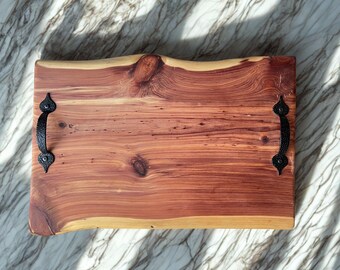
Cedar cutting boards have a warm, rich color. Their natural grain adds charm to any kitchen.
- Unique red and orange hues
- Beautiful natural patterns
- Develops a patina over time

Credit: www.reddit.com
Drawbacks Of Cedar Cutting Boards
Cedar is a popular wood for many projects, but it has some downsides for cutting boards. Understanding these drawbacks helps you decide if cedar is right for your kitchen.
This article explains the main problems with cedar cutting boards to help you make a good choice.
Softness And Potential For Damage
Cedar is a soft wood compared to other woods used for cutting boards. This softness makes it easier to get scratches and cuts from knives.
Deep cuts can trap bacteria and cause the board to wear out faster. The board may also get dents and marks from heavy use.
- Soft wood gets damaged quickly
- Knife marks can hold bacteria
- Boards wear out faster
Maintenance Requirements
Cedar cutting boards need regular care to stay safe and clean. They must be oiled often to stop the wood from drying out and cracking.
Cleaning must be gentle. Avoid soaking the board in water or putting it in a dishwasher. This care routine can take extra time.
- Needs frequent oiling
- Cannot be soaked or washed in dishwasher
- Requires careful cleaning to avoid damage
Cost Considerations
Cedar wood can be more expensive than other woods for cutting boards. The price depends on the quality and source of the wood.
Higher cost and frequent maintenance may not be ideal for all budgets or daily use.
- Cedar can cost more than other woods
- Maintenance adds to overall cost
- May not be best for heavy daily use
Comparing Cedar To Other Woods
Choosing the right wood for a cutting board is important. Different woods have unique features. Cedar is one option to think about.
This article compares cedar with other common woods used for cutting boards. It looks at wood types, popular choices, and how long they last.
Hardwoods Vs. Softwoods
Hardwoods come from trees that lose their leaves. Softwoods come from evergreen trees. This difference affects their use in cutting boards.
Hardwoods are usually stronger and denser. Softwoods like cedar are lighter and softer. Softwoods can get cut marks easily. Hardwoods resist cuts better.
- Hardwoods: Maple, Walnut, Cherry
- Softwoods: Cedar, Pine, Fir
- Hardwoods last longer with heavy use
- Softwoods may wear out faster
Popular Woods For Cutting Boards
Maple is the most popular wood for cutting boards. It is hard and has a fine grain. Walnut is also common because it looks nice and is strong.
Cedar is less common. It has a pleasant smell and a reddish color. Cedar is softer, so it can get scratched and cut more easily.
- Maple: durable and easy to clean
- Walnut: strong and attractive
- Cherry: smooth and moderately hard
- Cedar: soft, fragrant, and light
Longevity And Performance
Cutting boards made from hardwoods last longer. They resist knife marks and do not absorb odors easily. Cedar boards may show wear faster.
Cedar’s softness means it can get damaged with heavy use. It also absorbs moisture more, which can cause warping. Hardwoods handle moisture better.
| Wood Type | Durability | Maintenance | Performance |
|---|---|---|---|
| Maple (Hardwood) | High | Easy | Excellent for cutting |
| Walnut (Hardwood) | High | Easy | Strong and attractive |
| Cedar (Softwood) | Low to Medium | Needs care to avoid warping | Good for light use, soft texture |
Care And Maintenance Tips
Cedar is a softwood that can make a beautiful cutting board. It needs careful care to last long and stay safe. Proper cleaning, oiling, and handling keep cedar boards in good shape.
Using the right techniques helps avoid damage like warping or cracks. Follow these tips to keep your cedar cutting board strong and useful.
Cleaning Techniques
Clean your cedar cutting board right after use. Wash it with warm water and mild soap. Avoid soaking the board in water for a long time.
After washing, dry the board well with a clean towel. Let it air dry standing up or on a rack to keep air flowing on all sides.
- Use a soft sponge or cloth to clean
- Do not put cedar boards in the dishwasher
- Remove food smells with lemon juice or baking soda
Oiling And Conditioning
Oiling your cedar cutting board keeps it from drying out and cracking. Use food-safe mineral oil or a special cutting board oil. Apply oil regularly, about once a month or when the board looks dry.
Rub the oil into the wood with a soft cloth. Let it soak in for a few hours or overnight. Wipe off any extra oil before using the board again.
- Use only food-safe oils
- Apply oil evenly to all surfaces
- Repeat oiling to keep wood hydrated
Avoiding Warping And Cracks
Keep your cedar cutting board away from extreme heat or cold. Do not leave it near a stove or in direct sunlight. These conditions cause the wood to warp or crack.
Store the board flat or on its edge with good air flow. Avoid stacking heavy items on top. Regular cleaning and oiling also help prevent damage.
- Do not soak board in water
- Dry board fully after each use
- Store board in a cool, dry place
Diy Cedar Cutting Board Ideas
Cedar wood is a popular choice for cutting boards. It has a warm color and a pleasant smell. You can make a unique cutting board with cedar at home.
This guide will help you learn how to select cedar, build your board, and finish it properly. Let’s explore simple tips for a great DIY cedar cutting board.
Selecting The Right Cedar
Not all cedar wood is perfect for cutting boards. Look for smooth, straight-grain cedar. Avoid wood with knots or cracks. These can weaken the board and trap bacteria.
Western Red Cedar is a good option. It is durable and has a natural resistance to moisture. Make sure the wood is dry before starting your project.
Design And Construction Tips
Plan your cutting board size based on your kitchen space. A common size is 12 by 18 inches. Keep the thickness about 1 inch for strength and balance.
Cut the cedar pieces carefully and sand all surfaces smooth. Use food-safe glue to join pieces if you want a patterned board. Clamp the board tightly while drying.
- Choose straight cedar planks
- Sand edges and surfaces to smoothness
- Use food-safe glue for strong bonds
- Clamp firmly and let dry fully
Finishing Touches
After sanding, clean the board with a damp cloth. Let it dry completely. Apply a food-safe finish like mineral oil or beeswax. This protects the wood and keeps it looking fresh.
Reapply the finish regularly to keep your cutting board safe and beautiful. Avoid using harsh chemicals or soaking the board in water.
- Clean the board before finishing
- Use mineral oil or beeswax for protection
- Apply finish evenly and let dry
- Repeat finish every few months

Credit: wildwoodgrilling.com
Frequently Asked Questions
Is Cedar Wood Safe For Cutting Boards?
Cedar wood is generally not recommended for cutting boards. It is soft and can easily scar, harboring bacteria. Its natural oils may also affect food taste. Hardwoods like maple or walnut are safer and more durable for cutting boards.
Why Is Cedar Wood Not Ideal For Cutting Boards?
Cedar is soft, making it prone to deep cuts and scratches. These can trap bacteria and cause contamination. Additionally, cedar’s aromatic oils might transfer flavors to food, which many find undesirable for food preparation surfaces.
Can Cedar Cutting Boards Last Long With Care?
Cedar cutting boards typically have a shorter lifespan than hardwood boards. With regular oiling and gentle use, they can last but remain more vulnerable to damage and bacteria buildup. Hardwoods are better for long-term durability and safety.
Does Cedar Wood Affect Food Flavor On Boards?
Yes, cedar contains aromatic oils that can transfer a distinct flavor and smell to food. This can alter the taste, especially with delicate ingredients. For neutral flavor, hardwood boards are preferred over cedar.
Conclusion
Cedar can make a beautiful cutting board. It is soft but holds up well. The wood smells nice and helps keep bacteria away. Still, it can get scratched easier than harder woods. Regular cleaning and oiling keep it safe and lasting longer.
Choose cedar if you want a light, fragrant board. Just handle it gently to avoid deep cuts. Cedar cutting boards add charm and function to your kitchen. Simple care makes them a good choice for many cooks.