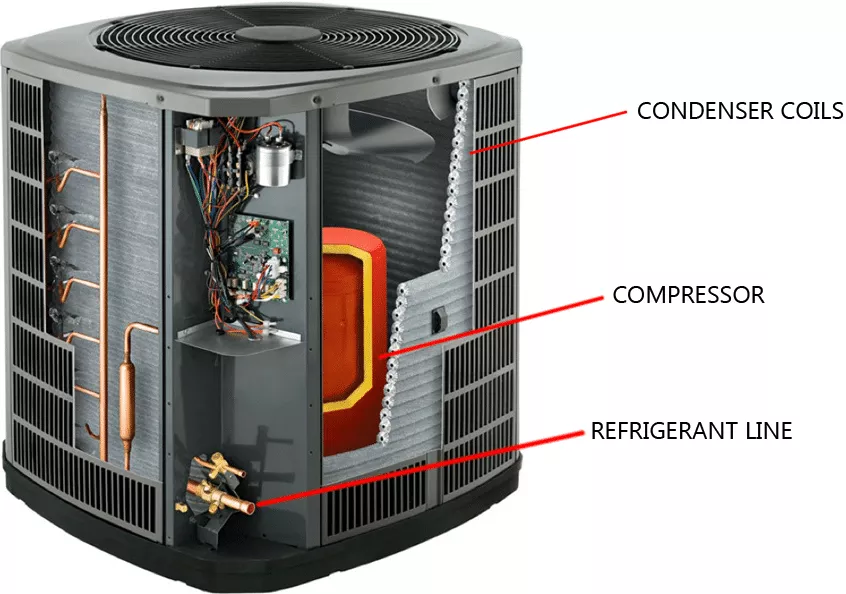
Have you ever wondered what part of your air conditioner helps keep your home cool and comfortable? The answer lies in a crucial component called the condenser.
Understanding what the condenser does can help you take better care of your AC and avoid costly repairs. You’ll discover exactly what a condenser is, how it works, and why it’s so important for your air conditioning system. Keep reading to unlock the secrets behind the cool air you enjoy every day!
Role Of The Condenser
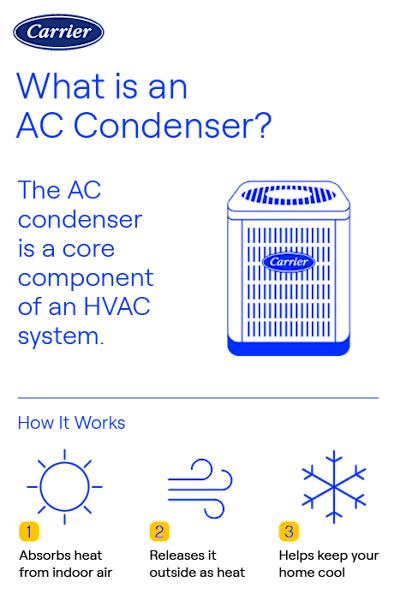
The condenserplays a key role in an air conditioner. It helps remove heat from inside the house. The condenser cools down the hot gas from the compressor. This gas changes back into a liquid form.
Heat transferhappens as the condenser releases heat to the outside air. The fan blows air over the condenser coils to speed up this process. This makes the air inside cooler and more comfortable.
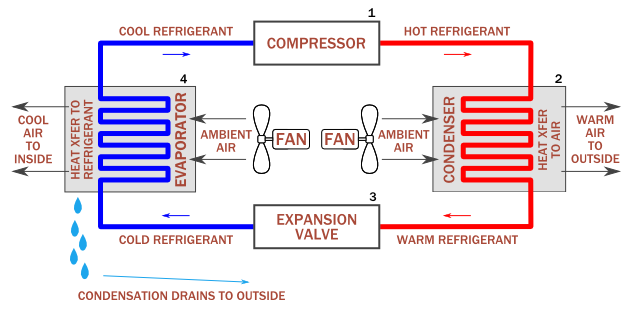
The condenser works closely with other parts:
- The compressorpushes hot gas to the condenser.
- The evaporatortakes the cooled liquid to absorb heat inside the room.
- The expansion valvecontrols the flow of liquid refrigerant to the evaporator.

Credit: www.ars.com
Types Of Condensers
Air-cooled condensersuse air to cool the refrigerant. A fan moves air over the condenser coils. This helps change the gas back to a liquid. They are easy to install and maintain. Commonly found in homes and small buildings.
Water-cooled condensersuse water to cool the refrigerant. Water flows through tubes inside the condenser. This cools the refrigerant more efficiently. They are used in large buildings and factories. Require a water source and good maintenance.
Evaporative condenserscombine air and water cooling. Water is sprayed on the coils while air blows over them. The water evaporates, taking heat away. This type uses less water than water-cooled condensers. Often used where water is limited but air is available.
Key Parts Of A Condenser
The condenser coilcools the hot gas from the compressor. It changes the gas into a liquid by releasing heat to the outside air. The coil has many thin metal fins to help cool faster.
The fan and motorwork together to blow air over the condenser coil. This air carries the heat away from the coil. The fan helps the coil stay cool and work well.
The compressor linkconnects the condenser to the compressor. It moves the hot gas from the compressor to the condenser coil. This link is very important for the air conditioner to work.
Credit: www.carrier.com
How The Condenser Works
The refrigerant cyclemoves heat from inside to outside the house. The refrigerant absorbs heat inside and carries it to the condenser.
The condenser helps with heat dissipation. It releases heat into the air outside. Fans blow air over the condenser coils to cool the refrigerant.
Inside the condenser, the refrigerant changes its state. This phase changefrom gas to liquid releases heat. This process helps cool the refrigerant so it can absorb more heat inside again.
Common Issues And Solutions
Clogged coilsreduce the condenser’s ability to cool air. Dirt and debris block airflow. This makes the system work harder and use more energy. Cleaning the coils regularly keeps the air conditioner efficient.
Fan problemscan stop the condenser from moving hot air outside. The fan might not spin well due to dirt, damage, or motor failure. Fixing or replacing the fan restores proper airflow and cooling.
Refrigerant leakslower cooling power and damage the system. Leaks cause the refrigerant level to drop, making the condenser less effective. Finding and fixing leaks is key to keeping the air conditioner working well.
Maintenance Tips
Cleaning the coilshelps the condenser work well. Dirt and dust stop air flow. Use a soft brush or cloth to clean gently. Do this every few months to keep it clear.
Checking the fanensures cool air moves properly. Look for damage or loose parts. Make sure the fan spins freely. Fix any problems quickly to avoid bigger issues.
Refrigerant level monitoringis key to good cooling. Low refrigerant means less cool air and more energy use. Have a professional check and refill the refrigerant if needed.
Energy Efficiency And Condensers
The condenserplays a key role in an air conditioner’s energy use. It helps remove heat from inside the house and sends it outside. A more efficient condensermeans the air conditioner uses less power to cool the air.
Power consumption depends on the condenser’s design and technology. Modern condensers use better materials and parts that reduce electricity use. This can lower your energy billsand help the environment.
Upgrading to an efficient condenser modelcan save a lot of energy. New models often have better fans and coils that work faster and cool better. This means the air conditioner does not have to run as long, using less power.
- Efficient condensers reduce electricity use.
- Modern parts help cool air faster.
- Shorter run time means lower bills.
- Good for both home and environment.
Credit: medium.com
Choosing The Right Condenser
The size and capacityof the condenser must match the air conditioner. A small condenserwill not cool well. A large onewastes energy. Check the BTU ratingfor the right fit. It shows how much heat the condenser can remove.
Installation considerationsinclude space and airflow. The condenser needs clear spacearound it. Avoid placing it near heat sources or direct sunlight. Proper airflow helps the condenser work efficiently. Also, check the power supplyand drainage setup before installation.
Frequently Asked Questions
What Does A Condenser Do In An Ac?
The condenser in an air conditioner removes heat from the refrigerant. It converts the refrigerant from gas to liquid. This process releases the absorbed heat outside. The condenser is crucial for the cooling process and energy efficiency.
How Does The Ac Condenser Work?
The AC condenser compresses and cools refrigerant vapors. It turns them into liquid by dissipating heat. This transformation is vital for effective cooling. The condenser works alongside the evaporator and compressor for optimal performance.
What Happens If The Condenser Fails?
A failing condenser reduces cooling efficiency. It may cause the AC to blow warm air. Over time, it can lead to compressor damage. Regular maintenance can prevent such issues and ensure optimal performance.
Why Is My Ac Condenser Not Working?
A condenser might fail due to clogged coils, faulty fan motors, or electrical issues. Regular maintenance can help detect these problems early. Ensuring proper airflow and cleaning the coils can enhance its performance.
Conclusion
The condenser plays a key role in air conditioners. It helps cool the hot gas and turn it into liquid. This process allows your AC to blow cold air inside. Without a working condenser, the AC cannot cool properly. Understanding this part helps you take better care of your unit.
Regular cleaning and maintenance keep the condenser efficient. A clean condenser means your home stays comfortable all summer. Simple steps can prevent costly repairs later. Now, you know why the condenser matters in your air conditioner.